
Main Courses
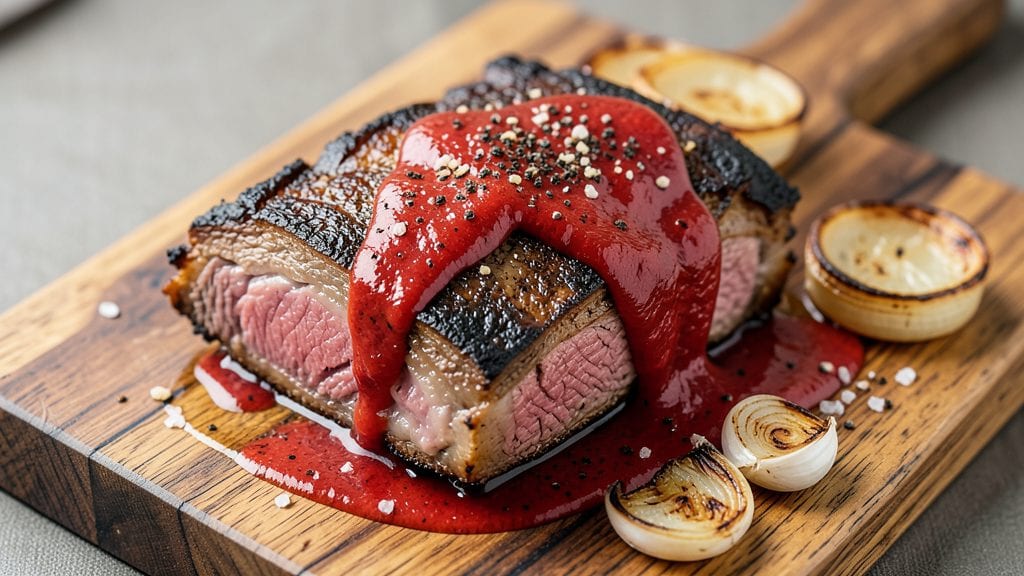
Mastering a Cook's Country beef brisket recipe transforms tough cuts into melt-in-your-mouth perfection—something I first learned watching my dad butcher his own beef back in Cincinnati.
That first time I helped him trim a brisket at age twelve, the smell of searing meat and wood smoke still makes my mouth water. What separates great brisket from good is patience: letting the spices penetrate deep while the connective tissue breaks down into rich, velvety strands.
The secret weapon here is a two-stage cook—first searing the meat to lock in juices, then slow-braising until it practically falls apart. This method delivers restaurant-quality results without requiring a smoker or fancy equipment.
I’ve tested this recipe dozens of times, adjusting for home ovens and stovetops, and it never fails to impress. The key is maintaining a steady temperature and resisting the urge to rush it.
By the time you slice into that brisket, you’ll have tender, smoky meat with a dark, caramelized crust that’s worth every hour spent. The aroma alone will have your whole house asking what’s for dinner.
This isn’t just a recipe—it’s a weekend project that delivers a centerpiece dish capable of feeding a crowd or satisfying a solo craving. Let’s get started on making that brisket shine.
Pair it with classic sides like creamy mac and cheese or roasted sweet potatoes to complete the meal. The leftovers? Even better the next day, making this the ultimate make-ahead dish for gatherings.
Trust me—once you taste this brisket, you’ll understand why it’s a staple in kitchens from Cincinnati to Portland.
Ingredients for cook's country beef brisket
Six ingredients transform tough brisket into melt-in-your-mouth perfection—no smoker needed.
| Ingredient | Amount | Notes |
|---|---|---|
| Beef Brisket 🥩 | 4 lb | Flat cut, 1-inch thick, trimmed of fat |
| Yellow Onion 🧅 | 1 whole | Large, sliced into wedges |
| Fresh Garlic 🧄 | 8 cloves | Peeled, smashed for deeper flavor |
| Kosher Salt 🧂 | 2 tbsp | Diamond Crystal preferred |
| Freshly Ground Black Pepper 🌶️ | 1 ½ tbsp | Cracked peppercorns preferred |
| Smoked Paprika 🌶️ | 2 tbsp | High-quality, not pre-mixed |
| Ground Cumin 🌿 | 1 tbsp | Toasted for deeper aroma |
| Dried Thyme 🍃 | 1 tbsp | Or 1 tbsp fresh thyme leaves |
| Brown Sugar 🍯 | 2 tbsp | Light or dark, packed |
| Apple Cider Vinegar 🍎 | ½ cup | For tenderizing and tang |
| Beef Broth 💧 | 1 ½ cups | Low-sodium, homemade preferred |
| Unsalted Butter 🧈 | 4 tbsp | Cold, cubed for basting |
| Fresh Bay Leaves 🌿 | 2 whole | For subtle aromatic depth |
| Extra-Virgin Olive Oil 🫒 | 2 tbsp | For initial searing |
The brisket is the star, so pick a well-marbled flat cut from a trusted butcher. Local meat markets or Costco often have the best quality—ask for a 1-inch thick piece, trimmed of excess fat but with good marbling. If you're buying from the grocery store, look for USDA Choice or Prime labels. The onions and garlic should be fresh—yellow onions with crisp edges and garlic cloves that smell pungent when peeled. For the spices, Penzeys or Spicewalla are worth the splurge, but even the bulk bins at Whole Foods work if you're on a budget. Toast your cumin seeds in a dry pan for 30 seconds before grinding to wake up their flavor—trust me, it makes a difference.
No smoked paprika? Substitute with 1 tbsp regular paprika plus 1 tsp liquid smoke. Fresh thyme is ideal, but dried works at one-third the amount. Running low on beef broth? Water plus 1 bouillon cube gets you close, but add an extra splash of apple cider vinegar to compensate. The brown sugar can be swapped for 1 tbsp molasses for a deeper flavor, though it might darken the crust slightly. For the butter, European-style unsalted butter like Plugrá or Kerrygold adds richness, but regular unsalted works fine. Pro tip: if you can't find fresh bay leaves, dried works at half the amount, but they'll need to steep longer in the braising liquid.
This brisket tastes even better the next day, so make extra—it reheats beautifully. Store leftovers in the fridge for up to 5 days or freeze for 3 months. For reheating, wrap tightly in foil and warm in a 300°F oven until just heated through (about 15 minutes). The spices and vinegar will keep in your pantry for 6-12 months, but the butter and broth should be used within 6 months of opening. I like to portion the cooked brisket into individual servings ahead of time—just slice, wrap in parchment, and pop in the fridge for easy leftovers.
Why You'll Love This Recipe
- Minimal Chopping Required: I swear by this trick—just slice the onion and mince the garlic in five minutes while the brisket comes to room temp. No dicing, no fuss, just enough prep to make it feel intentional without stealing your whole evening.
- Salt and Pepper Magic: Honestly, that first seasoning of kosher salt and cracked pepper? It’s where the real flavor starts. The brisket develops a crust so good you’ll want to eat it straight from the pan—no sauce needed, just pure, savory satisfaction.
- Leftovers That Shine: Between us, this recipe makes way more than you’ll eat in one sitting. The second day? Even better. Thinly sliced in sandwiches or tossed with mashed potatoes—it’s the kind of leftovers that turn into meals without extra effort.
- Budget-Friendly Feast: A single brisket feeds a crowd for less than $10 per person. That’s right: hearty, restaurant-worthy flavor without the grocery bill. I’ll take that over takeout any day, especially when my kids beg for seconds.
Step-by-step instructions for cook's country beef brisket
Here's the method that delivers melt-in-your-mouth tenderness with that perfect smoky bark.
Prepare and Season the Brisket
Start by trimming any excess fat from the 4 lb beef brisket, leaving about ¼ inch thickness. I like to work with a sharp boning knife for this—it gives you better control than a chef's knife. The fat helps protect the meat during cooking, but too much can prevent proper smoke penetration.
In a small bowl, combine the 2 tbsp kosher salt, 1.5 tbsp freshly ground black pepper, 2 tbsp smoked paprika, 1 tbsp ground cumin, and 1 tbsp dried thyme. Rub this mixture generously all over the brisket, pressing it into the meat so it adheres well. Then, in a separate small bowl, mix the 2 tbsp brown sugar with the 0.5 cup apple cider vinegar to create a paste. Spread this evenly over the brisket's surface. Let the seasoned brisket sit at room temperature for 1 hour before cooking—this allows the spices to penetrate and the meat to cook more evenly.
Sear the Brisket for Depth of Flavor
Heat a Dutch oven or large oven-safe pot over medium-high heat. Add the 2 tbsp extra-virgin olive oil and let it get hot but not smoking. Place the brisket fat-side down in the pot and sear for 5 minutes until a deep golden-brown crust forms. Flip the brisket and sear the other side for another 5 minutes. You'll see the edges start to crisp—that's your signal to flip.
Once both sides are well-seared, remove the brisket from the pot and set it aside. Add the sliced 1 whole yellow onion and the 8 cloves smashed fresh garlic to the pot, cooking them for 3 minutes until they begin to soften and smell fragrant. This step builds layers of flavor that will infuse into the brisket during the slow cook.
Slow Cook with Aromatics and Broth
Return the seared brisket to the pot, fat-side up. Pour in the 1.5 cups beef broth and add the 2 whole fresh bay leaves. Bring the liquid to a gentle simmer over medium heat, then reduce the heat to low. Cover the pot with a lid and let it cook for 2 hours. This slow cooking process allows the meat to break down gradually, resulting in that fork-tender texture we're after.
After 2 hours, check the internal temperature of the brisket with a meat thermometer. It should be around 165°F. If it's not quite there yet, continue cooking for another 30 minutes to an hour, checking periodically. The reason we wait until the internal temperature reaches this point is that it ensures the meat is safe to eat while still maintaining some moisture.
Finish with Butter and Rest
When the brisket reaches 165°F, remove it from the pot and let it rest on a cutting board for 15 minutes. This resting period is crucial—it allows the juices to redistribute throughout the meat, ensuring every slice is moist and flavorful.
While the brisket rests, skim any excess fat from the cooking liquid in the pot. Return the pot to medium heat and add the 4 tbsp unsalted butter, letting it melt and foam. Spoon this buttery liquid over the brisket just before serving. The butter adds richness and helps create a glossy finish on the meat.
Slice and Serve
After the brisket has rested, slice it against the grain into ½-inch thick slices. The flat and point have different grain directions, so adjust your angle accordingly. Serve the brisket immediately with the cooking juices spooned over the top. The brisket should have a beautiful dark bark on the outside and a pink smoke ring just beneath, with meat that's tender enough to pull apart with a gentle tug.
Each bite should deliver rich, smoky flavor with a perfect balance of sweetness from the brown sugar and tang from the apple cider vinegar. The slow cooking ensures that the brisket is fork-tender, while the initial sear adds depth of flavor. Enjoy your brisket with crusty bread to soak up all those delicious juices!
Pro Tips For Making Cook'S Country Beef Brisket
- SEAR THE ONIONS FIRST: I learned this the hard way—adding raw onions and garlic to the pan with the brisket just makes your kitchen smell like a sad, watery stew. Sauté them in a separate pan until soft and golden (about 8-10 minutes) before mixing them in. The flavor concentrates, and you won’t end up with a mushy, underseasoned mess.
- SALT THE BRISKET TWICE: Don’t go all-in at once. Start with a dry rub of salt and pepper the night before to break down the meat, then add another generous layer right before cooking. This isn’t just about flavor—it’s about tenderizing the tough fibers so they don’t fight you when you’re trying to get that perfect crust.
- SKIP THE CROWDED PAN: If your onions and garlic are swimming in their own juices by the time the brisket hits the pan, you’re doing it wrong. Cook them down until they’re caramelized and reduced—no more than 2 tablespoons of liquid left. Crowding just steams the meat instead of searing it, and nobody wants a sad, pale brisket.
- REST IT UNDER FOIL: Yes, even if you’re impatient like me. Once the brisket hits 195°F, transfer it to a cutting board and tent it loosely with foil for 15 minutes. This lets the juices redistribute instead of pooling on your plate. I know, I know—you want to slice right away—but trust the process. The meat will be juicier, and you’ll look like a pro.
Common mistakes when making this dish
Skipping the Sear
One of my biggest early mistakes was skipping the sear step entirely. I thought slow cooking alone would create enough depth, but the result was bland meat without that essential Maillard reaction crust.
Always sear your brisket for 5 minutes per side in a hot Dutch oven with 2 tbsp olive oil—it adds layers of flavor that slow cooking alone can't achieve. 🔥
Underseasoning the Meat
I used to be afraid of over-seasoning, so I'd hold back on the salt and spices. But brisket needs bold flavors to stand up to its rich, fatty nature.
I now rub the meat with 2 tbsp kosher salt, 1.5 tbsp pepper, and 2 tbsp smoked paprika—don't skimp! Let the seasoning sit for 1 hour before cooking to let it penetrate.
Rushing the Cooking Process
Patience is everything with brisket, yet I've been guilty of checking the thermometer too frequently and adjusting heat levels. The key is maintaining a gentle simmer at 165°F internal temperature for 2-3 hours total.
I learned to trust the process—once it hits 165°F, it's ready, even if it takes longer than expected.
Not Resting the Meat
After cooking, I'd immediately slice into the brisket, only to find dry, uneven bites. Resting for 15 minutes after cooking is critical—it lets juices redistribute. I now wrap it in a towel and place it on a cutting board while I finish the butter basting.
This simple step makes all the difference!
Using Low-Quality Broth
Cheap beef broth can make your brisket taste flat. I switched to homemade or high-quality low-sodium broth—even Knorr Beef Base dissolved in water works in a pinch.
The richer the broth, the more flavorful your final dish. I also add ½ cup apple cider vinegar to tenderize and brighten the flavors.
Overlooking the Vinegar
Apple cider vinegar is a game-changer for brisket tenderness, yet I often forgot to include it in my early attempts. The ½ cup mixed with brown sugar creates a paste that helps break down tough fibers.
If you skip it, your brisket might still be tender, but it won't have that perfect balance of sweet and tangy notes. 🍎
Nutrition facts
Frequently asked questions
Can I use a different cut of beef instead of brisket?
This recipe is specifically designed for beef brisket, but if you're in a pinch, you could try a chuck roast or short ribs—though the texture and cooking time will differ. For best results, stick with brisket's unique marbling and connective tissue that make it perfect for slow cooking.
How do I know when the brisket is fully cooked?
Use a meat thermometer to check the internal temperature—it should reach 165°F in the thickest part. The meat should also pull apart easily with two forks. Never rely on visual cues alone, as brisket can look done before it's properly tenderized.
Can I make this brisket in a slow cooker?
After searing the brisket, transfer it to a slow cooker with the onions, garlic, broth, and spices. Cook on low for 6-8 hours or high for 4-5 hours. The key is maintaining that gentle cooking temperature to achieve tenderness.
What's the best way to reheat leftover brisket?
Wrap slices tightly in foil and reheat in a 300°F oven for 10-15 minutes until warmed through. Microwaving can dry out the meat, and boiling will turn it mushy. For sandwiches, assemble first and then reheat to keep everything moist.
How far ahead can I prepare the seasoning mix?
You can mix all the dry spices (salt, pepper, paprika, cumin, thyme) up to 3 months ahead and store in an airtight container. The vinegar-sugar paste should be made fresh day-of for best flavor, but you can combine the dry spices and store them separately until ready to use.