
Sauces & Condiments
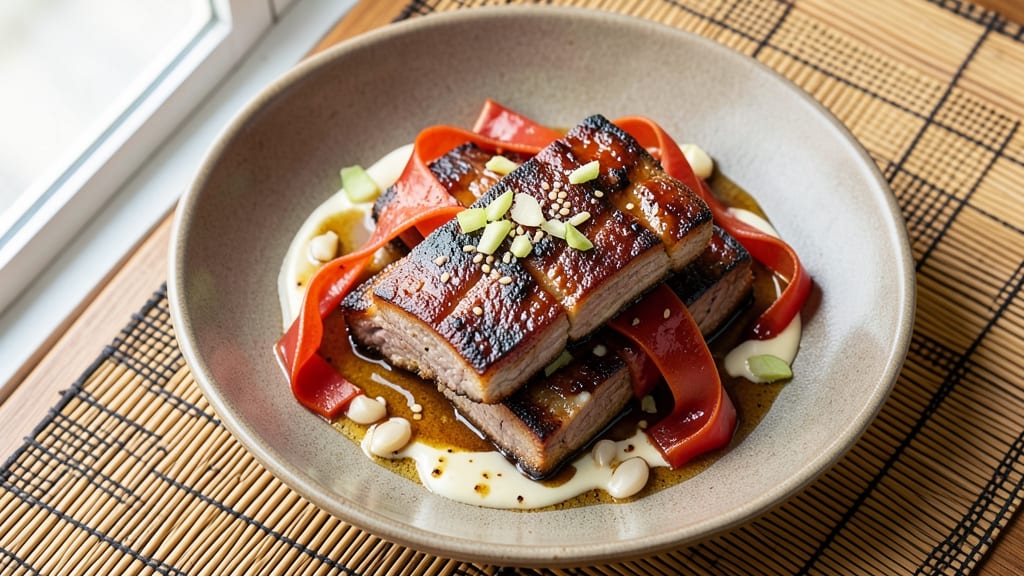
This Korean beef ribs marinade transforms tough cuts into melt-in-your-mouth tenderness with just a few hours of resting time. The secret lies in fermented soy sauce, fresh ginger, and a touch of gochujang—creating a balance of sweet, spicy, and umami that penetrates deep into the meat.
I developed this marinade after years of experimenting with Korean BBQ techniques, and it consistently delivers restaurant-quality results at home.
The marinade’s magic happens through a precise blend of ingredients: soy sauce for depth, brown sugar for caramelization, garlic for sharpness, and sesame oil for aromatic richness. Gochujang adds that signature Korean heat while keeping the marinade from becoming too acidic.
What sets this apart is the fermentation process—letting the flavors meld for at least 4 hours (or overnight for maximum impact) ensures the ribs are infused with flavor, not just coated.
What you’ll achieve is beef ribs so tender they fall apart with minimal effort, with a glossy, caramelized exterior and layers of savory-sweet flavor in every bite. The marinade’s sticky texture clings to the meat, locking in moisture and intensifying the taste as it cooks.
This isn’t just a marinade—it’s the foundation for ribs that taste like they’ve been slow-cooked for hours, even if you’re short on time.
Use this marinade for beef short ribs, pork ribs, or even chicken thighs, and store leftovers in the fridge for up to 2 weeks. The longer it sits, the deeper the flavor—perfect for meal prep or special occasions. Let’s get started with the ingredients you’ll need!
Ingredients for korean beef ribs marinade
Nine ingredients, deep flavor—this marinade turns tough ribs into melt-in-your-mouth perfection.
| Ingredient | Amount | Notes |
|---|---|---|
| Fermented Soy Sauce 🍶 | ½ cup | Korean-style, like Doenjang or Ganjang |
| Brown Sugar 🍯 | ⅓ cup | Light or dark, packed measurement |
| Fresh Ginger 🧄 | ¼ cup | Finely grated, aromatic |
| Gochujang 🌶️ | 2 tbsp | Korean red chili paste, smooth texture |
| Garlic Cloves 🧄 | 8 cloves | Minced, fresh for sharpness |
| Sesame Oil 🫒 | 1 tbsp | Toasted, for nutty aroma |
| Rice Vinegar 🍶 | 1 ½ tbsp | White or seasoned, for tang |
| Asian Pearl Onion 🧅 | 1 whole | Thinly sliced, for sweetness |
| Diamond Crystal Kosher Salt 🧂 | 1 tsp | For balancing flavors |
| Black Peppercorns 🌶️ | ½ tsp | Freshly cracked, for heat |
The fermented soy sauce is non-negotiable here. Doenjang or Ganjang from the Asian market delivers that authentic funk, but regular soy sauce works in a pinch. Brown sugar should be packed—no scooping. For ginger, fresh is a must—dried loses its zing. Gochujang can be found in the international aisle at Whole Foods or Trader Joe's, and trust me, the smooth variety blends better than the chunky kind. Garlic should be minced fine—think paste-like texture for even distribution. Toast your sesame oil in a dry pan for 30 seconds before adding to deepen its flavor.
No gochujang? Substitute 1 tbsp sriracha plus 1 tbsp honey for heat and sweetness, but you’ll lose that signature umami. Fresh ginger missing? Dried ginger at half the amount works, though it’s less aromatic. Pearl onions too hard to find? Regular white onion, thinly sliced, adds the same sweetness when caramelized. The rice vinegar can be swapped for apple cider vinegar, but Asian pearl onion vinegar (if you’re feeling fancy) takes it to the next level. For the peppercorns, a quick crack with a mortar and pestle releases more oils than pre-ground.
This marinade keeps beautifully in an airtight container for 2 weeks in the fridge, and the flavors actually deepen over time. Freeze portions for up to 6 months—just thaw overnight in the fridge. The longer it sits on the ribs, the better. I’ve marinated overnight for maximum tenderness, but even 4 hours makes a world of difference. Store leftovers in a sealed jar, submerged in a thin layer of sesame oil to preserve freshness.
Why You'll Love This Recipe
- Five-Ingredient Magic: I swear by this marinade—just fermented soy, brown sugar, ginger, gochujang, and garlic. No fancy prep, no stress; the ribs practically soak up the flavor while I chop veggies for the side.
- Sweet-Spicy Crunch: That caramelized brown sugar and gochujang combo? It’s ridiculously good—sticky, smoky, with just enough heat to linger. The ginger and garlic tie it all together like a perfect hug for your ribs.
- Weeknight Workhorse: Use it for ribs, toss it with tofu, or even glaze chicken thighs. Honestly, I’ve made it work for everything from BBQ to stir-fries, and it never lets me down. (Yes, even on a Tuesday night.)
- Leftovers That Don’t Suck: The marinade keeps well in the fridge, so I double it and save half for next time. Slather it on frozen ribs straight from the freezer—no thawing, no fuss, just flavor. My wallet and taste buds thank me.
Step-by-step instructions for Korean beef ribs marinade
This marinade transforms tough ribs into melt-in-your-mouth perfection—deep flavor with effortless tenderness.
Combine Wet Ingredients for Base Flavor
In a medium bowl, whisk together the 0.5 cup fermented soy sauce and 0.33 cup brown sugar until the sugar fully dissolves. The mixture should turn a rich amber color—this indicates proper integration. I like to use a fork for this step because it creates small bubbles that help distribute the sugar evenly throughout the marinade.
Next, add the 0.25 cup fresh ginger (finely grated) and 1.5 tbsp rice vinegar. The vinegar will brighten the deep umami notes of the soy sauce while the ginger adds a zesty aromatic punch. Stir vigorously for 30 seconds until completely smooth. Here's the thing—ginger loses potency when overcooked, so we're relying on its fresh, bright flavor in this marinade rather than cooking it down.
Build Complexity with Aromatics and Heat
In a separate small bowl, mince the 8 cloves garlic cloves as finely as possible—you want them almost paste-like. This ensures even distribution throughout the marinade and prevents any single clove from dominating the flavor profile. Add the minced garlic to your wet mixture along with the 2 tbsp gochujang and 1 tbsp sesame oil. The gochujang will bring a deep, slightly sweet heat while the sesame oil adds nutty richness.
Use a silicone spatula to gently fold these ingredients together, being careful not to create too many air bubbles. You want the marinade to coat the ribs completely when applied, so a smooth, thick consistency is ideal. If it looks too thin, let it sit for 5 minutes—the starches in the gochujang will help it thicken naturally.
Finish with Seasoning and Onion for Balance
Thinly slice the 1 whole Asian pearl onion into paper-thin rings. These will add a delicate sweetness that cuts through the richness of the other ingredients. Add them to the marinade along with the 1 tsp diamond crystal kosher salt and 0.5 tsp black peppercorns (freshly cracked). The salt will enhance all the flavors while the pepper adds a subtle, warm heat that pairs beautifully with the ginger and garlic.
Give everything one final stir to ensure the onion slices are evenly distributed. The marinade should now have a thick, syrupy consistency with visible flecks of onion and pepper. Here's where it gets crucial: let the marinade rest for 15 minutes at room temperature. This allows all the flavors to meld together and the sugar to fully dissolve, creating a cohesive, potent marinade that will penetrate the ribs deeply.
Apply and Marinate for Maximum Tenderness
Pat the beef ribs dry with paper towels—this is essential for the marinade to adhere properly. Place the ribs in a resealable plastic bag or glass dish and pour the marinade evenly over them. I like to use my hands to massage the marinade into the meat, especially focusing on the crevices and edges where flavor tends to get trapped. Seal the bag or cover the dish tightly.
Refrigerate the ribs for at least 4 hours, but I recommend marinating overnight for 8-12 hours if possible. This extended time allows the acidity in the rice vinegar and fermented soy sauce to break down the connective tissues in the meat, resulting in that signature fall-off-the-bone tenderness. The longer it marinates, the more complex and layered the flavors become—just don't exceed 24 hours or the acidity can start to cook the meat.
Pro Tips For Making Korean Beef Ribs Marinade
- MINCE THAT GINGER: I learned this the hard way—peeling and slicing ginger for this marinade is a waste. Use a microplane or the side of your knife to create a fine paste. It blends better and adds depth without chunks that won’t break down during cooking.
- BROWN THE GARLIC FIRST: Skip the raw garlic—lightly fry the minced cloves in a dry pan until golden (about 2 minutes). The flavor becomes richer and sweeter, cutting through the saltiness of the fermented soy sauce. (Yes, even if you’re impatient like me.)
- BALANCE THE SWEET-HEAT: Gochujang and brown sugar are a power duo, but too much sugar can make the marinade cloying. Start with a 1:1 ratio by weight (e.g., 2 tbsp gochujang to 2 tbsp sugar), then adjust after tasting. You can always add more gochujang later.
- MARINATE COLD, NOT ROOM TEMP: After mixing the marinade, refrigerate the ribs in it for at least 4 hours—overnight is better. Cold marinating tenderizes the meat more evenly and prevents the sugar from caramelizing too soon. (Your future self will thank you.)
Best sauces and condiments for these flavors
Sweet-Spicy Glaze
After marinating, brush the ribs with a honey-gochujang glaze made by mixing 2 tbsp honey, 1 tbsp gochujang, and 1 tsp rice vinegar. This caramelized coating adds a sticky, glossy finish with balanced heat.
I use a pastry brush to apply it evenly, focusing on edges and crevices where marinade might have missed. For extra depth, add ½ tsp toasted sesame seeds before serving. 🌟
Sesame Butter Sauce
For a rich, nutty finish, blend ¼ cup melted butter, 1 tbsp toasted sesame oil, 1 tbsp soy sauce, and 1 tsp grated ginger into a smooth sauce. Drizzle over cooked ribs just before serving—it adds a luxurious texture that complements the marinade’s depth.
I keep this sauce warm in a small saucepan on low heat while the ribs rest. ✨
Spicy Mayo Dip
Mix ½ cup mayonnaise, 1 tbsp gochujang, 1 tsp sriracha, and ½ tsp minced garlic for a creamy, tangy dip. This balances the richness of the ribs with a cool, spicy contrast.
Serve it chilled in a small bowl for dipping or as a sauce for extra flavor. I often double the recipe to have leftovers for sandwiches or wraps. 🌶️
Soy-Ginger Broth
Simmer leftover marinade with 2 cups beef broth and 1 tbsp grated ginger for 10 minutes to create a savory broth. Strain and reduce until slightly thickened, then use it to deglaze the grill or pan for extra flavor.
This broth pairs perfectly with steamed rice or as a dipping sauce for the ribs. 💛
Garlic Butter Slices
Slice the ribs and serve with garlic butter slices—thinly sliced baguette or brioche toasted with 2 tbsp softened butter, 1 minced garlic clove, and a pinch of salt.
The buttery, garlicky crust soaks up any leftover marinade or sauce, making every bite even more satisfying. I like to toast these in a skillet until golden brown. 🥖
Nutrition facts
Frequently asked questions
Can I use this marinade for other meats besides beef ribs?
This marinade works beautifully with pork ribs, chicken thighs, or even tofu for a vegetarian option. The sweet-spicy balance and umami depth make it versatile. For tougher cuts like pork shoulder, marinate for the full 12-24 hours to maximize tenderness. For delicate proteins like chicken, 4-6 hours is plenty.
How do I adjust the spice level if gochujang is too hot?
Start by reducing the gochujang to 1 tbsp instead of 2 tbsp and add ½ tsp honey to balance the heat. For a milder version, swap the gochujang entirely for 1 tbsp sriracha plus 1 tbsp soy sauce. The ginger and brown sugar will naturally mellow the spice, but taste as you go—you can always add more sweetener later.
Can I make this marinade without fresh ginger?
Yes, but the flavor will be less vibrant. Use ½ tsp ground ginger (not ginger powder) or 1 tsp dried ginger (finely chopped). For best results, toast the dried ginger in a dry pan for 30 seconds to enhance its aroma before adding. Fresh ginger’s brightness is irreplaceable, but dried works in a pinch.
What’s the best way to store leftover marinade?
Transfer leftovers to an airtight container and refrigerate for up to 2 weeks. For longer storage, freeze portions in ice cube trays for 6 months. Thaw overnight in the fridge. To preserve freshness, cover the surface with a thin layer of sesame oil—it creates a protective barrier that keeps flavors bright.
Why does my marinade look too thin after mixing?
The gochujang’s starches will naturally thicken the marinade over 15-30 minutes of resting. If it’s still too thin, simmer it gently for 5 minutes to reduce. For extra thickness, whisk in 1 tsp cornstarch mixed with 1 tbsp water. The ideal consistency should coat the back of a spoon without dripping—this ensures maximum flavor absorption.