
Main Courses
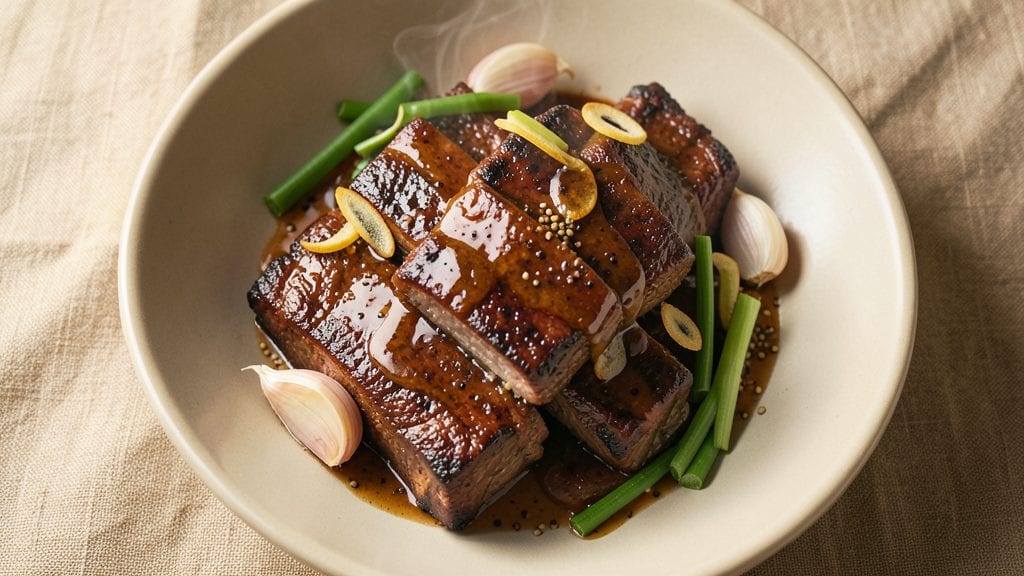
This oven-baked boneless beef short ribs recipe delivers restaurant-quality tenderness without the hours of braising. After years of perfecting the technique, I've developed a foolproof method that transforms tough cuts into melt-in-your-mouth perfection using just your oven and a few key ingredients.
The secret lies in the slow cooking process that breaks down collagen while building deep, caramelized flavors—no pressure cooker required.
What sets this recipe apart is the balance of time and temperature—low and slow for maximum tenderness, with a final high-heat finish to create that coveted golden-brown crust. I use a simple marinade of soy sauce, garlic, and spices that penetrates the meat while adding layers of umami flavor.
The result? Short ribs that practically fall apart at the touch of a fork, with a surface that's richly caramelized and deeply flavorful.
By the time these ribs emerge from the oven, you'll have a dish that's impossible to resist—juicy, tender, and packed with that satisfying beefy richness. The aroma alone will have everyone gathering at the table, and each bite delivers that perfect combination of melt-in-your-mouth texture and bold, savory flavor.
This is comfort food at its finest, elevated to professional-level results.
Pair with mashed potatoes, roasted vegetables, or crusty bread to soak up every last bit of that delicious pan sauce. The technique works equally well for weeknight dinners or special occasions, making it a versatile addition to your cooking repertoire. Let's get started on creating these melt-in-your-mouth short ribs.
Ingredients for oven baked boneless beef short ribs
Fourteen ingredients transform tough ribs into melt-in-your-mouth perfection—no braising pot needed.
| Ingredient | Amount | Notes |
|---|---|---|
| Boneless Beef Short Ribs 🥩 | 2 ½ lb | Evenly sized, 1-inch thick |
| Extra-Virgin Olive Oil 🫒 | 2 tbsp | High quality, fruity |
| Kosher Soy Sauce 🥢 | ½ cup | Low-sodium preferred |
| Garlic Cloves 🧄 | 6 cloves | Peeled, minced |
| Fresh Ginger 🌿 | 2 tbsp | Finely grated, fresh |
| Brown Sugar 🍯 | 2 tbsp | Light or dark |
| Diamond Crystal Kosher Salt 🧂 | 1 ½ tsp | For seasoning |
| Freshly Ground Black Pepper 🌶️ | 1 tsp | Coarse grind |
| Smoked Paprika 🌶️ | 1 tsp | For depth |
| Ground Cumin 🌿 | ½ tsp | Toasted for warmth |
| Beef Broth 💧 | 1 cup | Low-sodium preferred |
| Unsalted Butter 🧈 | 2 tbsp | Cold, cubed |
| Fresh Thyme Leaves 🌿 | ¼ cup | Chopped, stems removed |
| Red Wine Vinegar 🍷 | 1 tbsp | For brightness |
| All-Purpose Flour 🌾 | 2 tbsp | For coating |
The beef is everything here. Short ribs should be evenly sized—ask your butcher to trim them to about 1-inch thickness. Costco or Whole Foods carry pre-trimmed cuts, but if you're buying whole ribs, look for good marbling and even thickness. The soy sauce is non-negotiable—Kikkoman or Pearl River Bridge are my go-tos, but any quality brand works. Fresh ginger and garlic? Don't skip the zest—it adds brightness that dried spices can't match. For the paprika, smoked gives that deep, restaurant-quality flavor, but regular works if that's what you've got.
No soy sauce? Coconut aminos or a mix of Worcestershire and a pinch of sugar gets you close. Short on fresh ginger? Ground ginger at half the amount works, but it lacks that zesty kick. The butter in the final step is crucial—use full-fat, cold cubes for maximum browning. No thyme? Rosemary or oregano can substitute, but thyme's earthy note is perfect here. The flour coating? Lightly coat the ribs—just enough to help the caramelization, not a thick crust. And trust me, the red wine vinegar makes all the difference in cutting through the richness.
Prep the marinade ahead—it keeps for 3 days in the fridge. The ribs themselves? Use within 2 days for best texture. Once cooked, these reheat beautifully—just warm the sauce and ribs together. Store leftovers in the fridge for 4 days or freeze for 3 months. The sauce thickens as it cools, so add a splash of beef broth when reheating. And save that pan sauce—it's even better the next day after the flavors meld.
Why You'll Love This Recipe
- One-Pan Magic: I swear by this recipe because it’s actually hands-off after the initial prep. Toss the ribs in olive oil, soy, and minced garlic—no flipping, no fuss—just 45 minutes in the oven while you make dinner or binge your favorite show. The ginger caramelizes into a sticky glaze that’s basically effortless flavor.
- Umami Bomb: That kosher soy sauce? It’s the secret weapon here. The ribs develop this deep, savory crust—almost like a cross between teriyaki and braised beef—without needing expensive marinades or hours of simmering. The garlic and ginger punch through with a bright, fresh finish that makes every bite addictive.
- Weeknight to Dinner Party: Between us, this recipe works for everything. Toss it together on a Tuesday for a no-fuss family meal, or double the batch for a crowd because it’s just as impressive served on a platter with rice as it is straight from the pan. Honestly, the leftovers are just as good reheated as they are fresh.
- Budget-Friendly Luxury: Short ribs can feel fancy, but this method stretches them like a pro. The high-heat oven bake keeps them tender without drying them out, and the olive oil and soy sauce keep costs low while delivering restaurant-quality taste. Plus, the leftovers? They’re my go-to for quick lunches—just reheat and serve with store-bought noodles or crusty bread.
Step-by-step instructions for oven-baked beef short ribs
Here's the method for melt-in-your-mouth beef that practically falls apart at the touch.
Prepare the Ribs for Maximum Flavor and Tenderness
Pat the 2.5 lb boneless beef short ribs completely dry with paper towels—this ensures a better sear later. In a small bowl, combine the 0.5 cup kosher soy sauce, 2 tbsp brown sugar, 1.5 tsp diamond crystal kosher salt, 1 tsp freshly ground black pepper, 1 tsp smoked paprika, and 0.5 tsp ground cumin. Mix until the sugar dissolves completely, creating a thick marinade.
Place the ribs in a large resealable plastic bag and pour the marinade over them, coating all sides thoroughly. Seal the bag and refrigerate for at least 4 hours, or preferably overnight. This long marinating time breaks down collagen and infuses the meat deeply with flavor. The ribs should absorb the marinade completely, developing a rich, sticky coating.
Sear the Ribs for Deep Flavor and Color
Preheat your oven to 325°F. Remove the ribs from the refrigerator and let them sit at room temperature for 30 minutes. Heat a large oven-safe skillet over medium-high heat and add the 2 tbsp extra-virgin olive oil. Once the oil shimmers, add the ribs in a single layer and sear for 2-3 minutes per side until they develop a deep golden-brown crust.
Here's the thing—don't overcrowd the pan. If you need to work in batches, that's fine, but searing too many ribs at once will steam them instead of creating that crucial crust. The seared ribs should release easily from the pan when ready to transfer to the oven. This initial searing builds flavor that will carry through the entire cooking process.
Slow-Roast to Perfect Tenderness
Transfer the seared ribs to a baking dish and pour the 1 cup beef broth into the skillet. Scrape up all the browned bits from the bottom with a wooden spoon, then pour this flavorful liquid over the ribs. Add the 2 tbsp unsalted butter, 0.25 cup chopped fresh thyme leaves, and 1 tbsp red wine vinegar to the baking dish.
Cover the baking dish tightly with foil and transfer it to the preheated 325°F oven. Roast for 2.5 to 3 hours, depending on your oven's consistency. You'll know they're done when a meat thermometer inserted into the thickest part reads 195°F and the ribs are fork-tender with just slight resistance. The ribs should have developed a rich, caramelized sauce coating them completely.
Finish with a Flour Slurry for Glossy Perfection
Remove the ribs from the oven and transfer them to a serving platter. Tent loosely with foil to keep warm. In a small bowl, whisk together the 2 tbsp all-purpose flour and 2 tablespoons of the pan juices to create a smooth slurry. Pour this mixture back into the baking dish and return it to the oven for 5-7 minutes at 375°F.
This final step transforms the sauce into a glossy, velvety coating that clings beautifully to the ribs. The flour slurry thickens the sauce while adding a subtle texture contrast. The ribs should be completely coated in this rich, aromatic sauce when you serve them. Each bite should deliver that perfect combination of tender meat and complex, caramelized flavors.
Pro Tips For Making Oven Baked Boneless Beef Short Ribs
- SEAR FIRST, BAKE SECOND: Hit the ribs with a screaming-hot pan in olive oil until they’re deep brown—don’t skimp on this. The Maillard reaction here is non-negotiable; it’s what turns bland beef into something rich and caramelized. I used to rush this, and the ribs just ended up tough and dry.
- GINGER—GRATE, DON’T CHOP: Fresh ginger loses its punch when you dice it. Use a microplane or the finest grater you own—you want it almost paste-like. This isn’t just about flavor; it’s about making sure the ginger actually melts into the sauce instead of sitting as chunks in your bite.
- DON’T OVERCROWD THE PAN: If you pile the ribs too close together, they’ll steam instead of sear. Leave space between them—even if it looks weird—and cook in batches if needed. I learned this the hard way when my first batch came out soggy instead of crisp.
- LOW AND SLOW AFTER SEARING: After the initial sear, drop the heat to 275°F (135°C) and let them bake covered with foil. This keeps the meat tender while the soy and garlic work their magic. I was skeptical—too low, right?—but it’s the only way to get that fall-apart texture without drying them out.
Best sauces and condiments for oven baked boneless beef short ribs
Rich Red Wine Reduction
This bold red wine reduction elevates the dish by cutting through the richness while adding layers of fruitiness and acidity. Simmer 1 cup dry red wine (like Cabernet Sauvignon) with 2 tbsp beef broth and 1 tbsp balsamic vinegar until reduced by half.
Stir in 1 tbsp cornstarch mixed with 1 tbsp water to thicken. Drizzle generously over the ribs before serving—it balances the sauce perfectly. 🍷
Spicy Sriracha Mayo
For heat lovers, this spicy Sriracha mayo adds a tangy kick. Mix ¼ cup mayonnaise with 2 tbsp Sriracha (adjust to taste) and 1 tsp honey. Swirl it into the pan sauce or serve it on the side for dipping.
The creamy texture contrasts beautifully with the caramelized ribs. I keep a small bowl ready for guests who want extra heat.
Sweet Chili Glaze
This sweet chili glaze brings Asian-inspired depth. Combine ¼ cup sweet chili sauce (like Lee Kum Kee), 1 tbsp soy sauce, and 1 tsp sesame oil.
Simmer for 3-4 minutes until slightly thickened. Drizzle over the ribs for a sweet-spicy contrast that pairs surprisingly well with the smoky paprika flavors. 🌶️
Garlic-Herb Aioli
A garlic-herb aioli adds a luxurious touch. Blend ½ cup mayonnaise with 3 minced garlic cloves, 1 tbsp chopped fresh parsley, 1 tsp lemon juice, and ½ tsp salt.
Pipe dollops alongside the ribs or swirl it into the sauce. The creamy, garlicky notes complement the ribs' natural richness without overpowering them.
Balsamic Glaze Finish
For a touch of elegance, finish with balsamic glaze. Heat ¼ cup balsamic vinegar with 1 tbsp brown sugar until reduced by half. Strain and drizzle over the ribs just before serving. The caramelized sweetness enhances the sauce's depth and adds visual appeal with its glossy sheen.
Nutrition facts
Frequently asked questions
Why do I need to marinate beef short ribs for so long?
The 4-24 hour marinade is key for breaking down collagen in tough cuts, creating that melt-in-your-mouth texture. The soy sauce, garlic, and spices penetrate deeply while tenderizing the meat. Skipping this step means you'll end up with chewier results instead of the fork-tender ribs you want.
Can I use bone-in short ribs instead of boneless?
Yes, but adjust cooking time by 30-45 minutes longer since bone-in cuts take more time to reach tenderness. The bones actually help infuse flavor into the sauce, so many chefs prefer them. Just remove the bones before serving if you want the clean presentation of boneless ribs.
What if my oven isn't consistent at 325°F?
Use an oven thermometer to verify accuracy—many ovens run 25°F hotter or cooler than set. If your oven runs hot, reduce to 300°F to prevent overcooking. For cold ovens, increase to 350°F and check ribs 15 minutes early. The goal is 195°F internal temp for perfect tenderness.
How do I prevent the sauce from becoming too watery?
The flour slurry at the end is your secret weapon—it thickens the sauce beautifully. If it's still too thin, simmer uncovered for 3-5 extra minutes to reduce. For even more richness, stir in 1 tbsp cold butter at the end. The sauce should coat the back of a spoon when finished.
Can I make this recipe in a slow cooker instead?
Brown the ribs first, then transfer to a slow cooker with all ingredients (except flour slurry) and cook on Low for 6-8 hours or High for 4-5 hours. Finish with the flour slurry in a skillet over medium heat for that glossy finish. The slow cooker method is even more hands-off!