
Main Courses
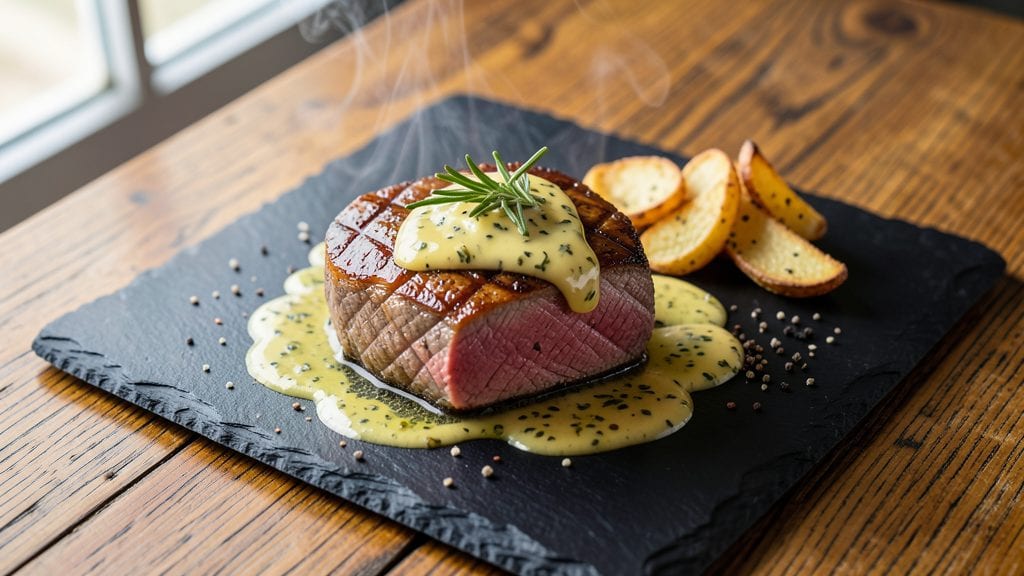
Mastering a pan-seared beef tenderloin recipe transforms weeknight dinners into restaurant-worthy experiences with minimal effort. The secret lies in achieving that perfect buttery crust while maintaining juicy pink centers—no guesswork, just precision.
I’ve perfected this technique after years of testing, and it never fails to impress even the most discerning palates.
This method relies on three critical steps: proper seasoning, high-heat searing, and an accurate internal temperature check. You’ll start with a dry-brined tenderloin, sear it in a screaming-hot cast-iron skillet, then let it rest before slicing.
The result? A dish that’s tender, juicy, and packed with rich beef flavor in every bite.
What sets this recipe apart is its foolproof approach—no complicated techniques or rare ingredients. With just a few simple tools and a little patience, you’ll achieve a beef tenderloin that’s so good, you’ll wonder why you ever bought it pre-cooked.
The crust will be golden and crisp, while the inside remains perfectly pink and moist.
Pair it with roasted garlic mashed potatoes or a crisp green salad for a complete meal that feels like a special occasion. Let’s get started—this is the beef tenderloin recipe you’ll make again and again.
Ingredients for pan seared beef tenderloin
Precision-crafted ingredients for a beef tenderloin with buttery crust and juicy pink centers.
| Ingredient | Amount | Notes |
|---|---|---|
| Beef Tenderloin 🥩 | 2 lb | Center-cut, trimmed of silver skin |
| Kosher Salt 🧂 | 2 tbsp | Diamond Crystal preferred for clarity |
| Freshly Ground Black Pepper 🌶️ | 1 tbsp | Coarse grind for texture |
| Unsalted Butter 🧈 | ½ cup | Cold, cubed for even coating |
| Extra-Virgin Olive Oil 🫒 | 2 tbsp | High smoke point for searing |
| Fresh Rosemary 🌿 | 2 sprigs | Thinly sliced, for aroma |
| Fresh Thyme 🌿 | 4 sprigs | Leaves only, for brightness |
| Garlic Cloves 🧄 | 4 cloves | Smashed, for infusion |
| Cast-Iron Skillet 🔥 | 1 whole | 10-12 inch, preheated |
| Meat Thermometer 🌡️ | 1 whole | Instant-read preferred |
| Beef Stock 🍲 | ½ cup | Homemade or high-quality |
The beef tenderloin must be center-cut and trimmed of silver skin—this ensures even cooking and maximum tenderness. Opt for a 2-pound roast for four servings, as it yields generous slices. Professional butchers at Whole Foods or D'Artagnan carry premium cuts, but most high-end grocery stores stock quality tenderloins. Look for vibrant color and good marbling—this indicates flavor and juiciness. If buying frozen, thaw overnight in the refrigerator for optimal texture. The rosemary and thyme should be fresh, with a bright green hue and no wilting, as dried herbs lack the aromatic depth needed for this technique.
For the butter, use unsalted to control seasoning—European-style brands like Plugrá or Kerrygold melt beautifully without overpowering. If you lack fresh herbs, dried rosemary at half the amount works, but the flavor won’t be as vibrant. The garlic cloves should be smashed, not minced, to release their oils without turning bitter. Substitute garlic powder only if necessary, but it lacks the same depth. For the beef stock, avoid low-sodium versions—they dilute the flavor. A homemade stock or Kitchen Basics brand delivers the richest results, while store-bought bouillon cubes fall short.
Prep the tenderloin 24 hours ahead by applying the kosher salt and letting it dry-brine in the refrigerator. This enhances tenderness and flavor penetration. The butter and olive oil mixture should be prepped just before searing—cold cubes of butter create a superior crust. Rest the meat 10-15 minutes after cooking, covered loosely with foil, to retain juices. Leftovers reheat best in a low-temperature oven (275°F) for 10 minutes, wrapped in foil. Store cooked portions for 3-4 days in the fridge or freeze for up to 3 months in airtight containers.
Why You'll Love This Recipe
- I swear by this combo: olive oil and butter. That first sear in the pan locks in flavor while the butter bastes it to golden perfection—no fancy marinades or rubs needed.
- Two-Ingredient Magic: I swear by this combo: olive oil and butter. That first sear in the pan locks in flavor while the butter bastes it to golden perfection—no fancy marinades or rubs needed.
- Crispy-Creamy Payoff: The outside gets that irresistible crust, while the inside stays tender enough to melt. Honestly, I’ve tried fancier cuts, but this one’s foolproof every time.
- Weeknight or Weekend Star: Slap it on the table for a busy Tuesday or a fancy dinner. Same recipe, different vibes—just adjust the sides (roasted potatoes or a simple salad) and boom, you’re covered.
Step-by-step instructions for pan-seared beef tenderloin
Master this technique for a perfect balance of buttery crust and tender pink centers every time.
Prepare the Beef Tenderloin for Optimal Searing
Begin by patting the 2 lb beef tenderloin completely dry with paper towels, removing any remaining moisture that could prevent proper browning. Place the meat on a cutting board and score the surface in a diamond pattern with a sharp knife, cutting about ¼ inch deep. This creates pathways for the butter to penetrate and enhances flavor infusion.
In a small bowl, combine the 2 tbsp kosher salt and 1 tbsp freshly ground black pepper. Rub this mixture evenly over the entire surface of the beef, pressing gently to ensure adherence. The coarse grind of the pepper will add texture to the crust while the salt enhances flavor and promotes moisture retention. Let the seasoned beef rest at room temperature for 30 minutes before cooking—this ensures even cooking from edge to center.
Sear the Beef Tenderloin in the Cast-Iron Skillet
Place the 1 whole cast-iron skillet over medium-high heat until it's thoroughly preheated. Add the 2 tbsp extra-virgin olive oil and allow it to heat for 2 minutes until shimmering. Carefully place the beef tenderloin in the skillet, laying it on its side to maximize surface contact with the hot oil.
Sear the beef undisturbed for 4 minutes on the first side, pressing down gently with a metal spatula to ensure even contact. You'll see the surface develop a deep golden-brown crust—this is your signal to flip. Rotate the beef 90 degrees and continue searing for another 4 minutes on this second side. The crust should now be uniformly browned and firm to the touch. Remove the beef from the skillet and set it aside on a wire rack, leaving the rendered juices in the pan.
Build the Herb-Infused Butter Sauce
Reduce the heat to medium and add the 0.5 cup unsalted butter, allowing it to melt completely into the pan. Using kitchen shears, finely chop the 2 sprigs fresh rosemary and 4 sprigs fresh thyme, discarding any woody stems. Add these herbs along with the 4 smashed garlic cloves to the skillet, stirring constantly for 1 minute until the garlic becomes fragrant but doesn't brown.
Pour in the 0.5 cup beef stock and scrape up any browned bits from the bottom of the pan with a wooden spoon. These flavorful bits, known as fond, are essential for creating depth in your sauce. Bring the mixture to a gentle simmer and let it reduce by half, which should take about 3 minutes. The sauce should now coat the back of a spoon and have a rich, aromatic quality.
Finish Cooking and Rest the Beef
Return the beef tenderloin to the skillet, spooning the herb butter sauce evenly over the top. Place the skillet back on the stovetop over medium heat and baste the beef with the sauce for 2 minutes on each side. Use the meat thermometer to check the internal temperature—it should read 125°F for medium-rare, which is ideal for tenderloin. If the temperature is lower, continue basting for another 1-2 minutes until it reaches the desired doneness.
Transfer the beef to a cutting board and let it rest for 10-15 minutes before slicing. This resting period allows the juices to redistribute throughout the meat, ensuring each slice remains juicy and tender. During this time, keep the skillet warm over low heat to maintain the sauce's consistency. Slice the beef against the grain into ½-inch thick portions and serve immediately with the herb butter sauce spooned over the top.
Pro Tips For Making Pan Seared Beef Tenderloin
- CRANK THE HEAT HIGH: Tenderloin’s lean—it needs a screaming-hot pan from the start. Let the oil shimmer like it’s about to catch fire before adding the meat, or you’ll end up with gray, sad beef instead of a golden crust. I used to think "medium-high" was enough, but that’s how you get steak that’s cooked through but never seared.
- SALT LIKE IT’S 1985: Tenderloin’s delicate, but don’t go easy on the kosher salt—generously coat all sides at least 40 minutes before cooking. The salt draws out moisture, which then reabsorbs, keeping the meat juicy. I learned this the hard way after serving dry slices to guests who assumed "delicate" meant "lightly seasoned."
- DON’T TOUCH THE MEAT: Walk away for 3-4 minutes after searing—no peeking, no flipping. The crust forms in that time, and every time you move it, you risk breaking it apart. I know, I know, it’s torture, but resist. If you’re nervous, set a timer and stare at the ceiling instead.
- BUTTER BASTE FAST: Once you flip the tenderloin, immediately add cold butter and tilt the pan to coat the sides—this bastes the meat in seconds. Skip the fancy tossing; just let the butter melt and pool around the meat. It’s less dramatic but way more effective, and you won’t burn the butter (which I’ve done more times than I’ll admit).
Serving suggestions for this recipe
Classic Crust Pairings
The buttery crust on your pan-seared beef tenderloin deserves a side that complements its richness without competing. Truffle mashed potatoes—made with ½ cup heavy cream, 2 tbsp truffle oil, and a pinch of black pepper—elevate the dish with earthy depth.
For a lighter option, roasted garlic parsnips (tossed in 1 tbsp olive oil and 1 tsp smoked paprika) add natural sweetness and caramelized texture. Both sides cut through the beef’s richness while enhancing its luxurious qualities. 🥔
Fresh Green Contrast
A vibrant arugula salad with lemon vinaigrette (whisk 3 tbsp olive oil, 1 tbsp lemon juice, and ½ tsp honey) brightens the plate with peppery crunch. Add toasted walnuts (¼ cup, lightly browned) for texture and shaved Parmesan (2 tbsp) for umami.
The acidity and freshness balance the beef’s richness, creating a harmonious bite. For extra flair, drizzle with a few drops of white truffle oil before serving.
Wine Pairing Perfection
A bold Cabernet Sauvignon from Napa Valley (like Caymus Vineyards) complements the beef’s depth with its dark fruit and tannic structure. For a lighter option, a Pinot Noir from Oregon (such as Domaine Serene) offers bright acidity and red berry notes that refresh the palate.
Avoid heavy reds like Syrah—they can overpower the tenderloin’s delicate crust. Serve wine slightly chilled (60-65°F) to enhance its aromatic qualities alongside the dish. 🍷
Plating Like a Pro
Slice the beef tenderloin into ½-inch thick portions and arrange two or three slices per plate, fanning them slightly for visual appeal. Spoon the herb butter sauce over the top, letting it drip naturally down the sides.
Place the mashed potatoes or salad beside the beef, ensuring each component has its own space on the plate. Garnish with fresh thyme sprigs and a sprinkle of flaky sea salt for a restaurant-worthy finish.
Use a black slate plate to make the beef’s pink centers stand out against the dark background. ✨
Make-Ahead Sides
Prep sides in advance to streamline your cooking process. Roasted vegetables (like carrots, Brussels sprouts, and asparagus) can be roasted 1-2 days ahead and reheated in a 400°F oven for 10 minutes. Mashed potatoes freeze beautifully—simply reheat in the microwave with a splash of milk.
For salads, store dressing separately and toss components together just before serving to maintain crispness. This ensures your meal stays fresh and flavorful with minimal last-minute effort. ⏰
Dessert Harmony
Finish the meal with a dessert that contrasts the beef’s richness without overwhelming it. A dark chocolate torte with 70% cocoa and a dusting of powdered sugar provides a sophisticated finish.
For a lighter option, honey-glazed figs (¼ cup honey, simmered with 1 tsp thyme) offer natural sweetness and floral notes. Avoid overly sweet desserts—opt for those with bitter or acidic elements to cleanse the palate and balance the meal’s richness. 🍫
Nutrition facts
Frequently asked questions
What's the best way to ensure my beef tenderloin stays juicy?
Never skip the resting time—transfer the beef to a cutting board and let it rest for 10-15 minutes after cooking. This allows juices to redistribute, preventing dry slices. Also, use a meat thermometer to hit 125°F for medium-rare, as overcooking is the #1 cause of dryness.
Can I make this recipe without a cast-iron skillet?
Yes, but a heavy stainless steel or carbon steel pan works too—just ensure it gets screaming hot before adding oil. Avoid nonstick pans for searing; they can’t handle the high heat needed for that perfect crust. A well-seasoned alternative pan will give you similar results with a little extra attention to temperature control.
How do I adjust cooking time for a larger or smaller tenderloin?
For every 1 lb beyond 2 lbs, add 10-15 minutes to total cooking time (including searing and basting). For smaller cuts (1 lb), reduce to 6-8 minutes of searing total. Always use a thermometer—125°F for medium-rare is your target regardless of size.
Why did my crust turn out pale instead of golden-brown?
This usually happens from one of three issues: not enough heat, moisture on the meat, or moving it too soon. Make sure your pan is smoking hot before adding oil, pat the beef completely dry, and resist the urge to flip until you see deep golden-brown spots forming. A 10-minute rest at room temp before cooking also helps.
What's the best way to reheat leftover beef tenderloin?
Slice leftovers and reheat in a 350°F oven for 10-12 minutes with a splash of beef stock to keep them moist. Never microwave—it dries out the meat. For quick reheating, use a skillet over medium-low heat for 2-3 minutes per side with a pat of butter. Store cooked portions in airtight containers for 3-4 days or freeze for 3 months.