
Main Courses
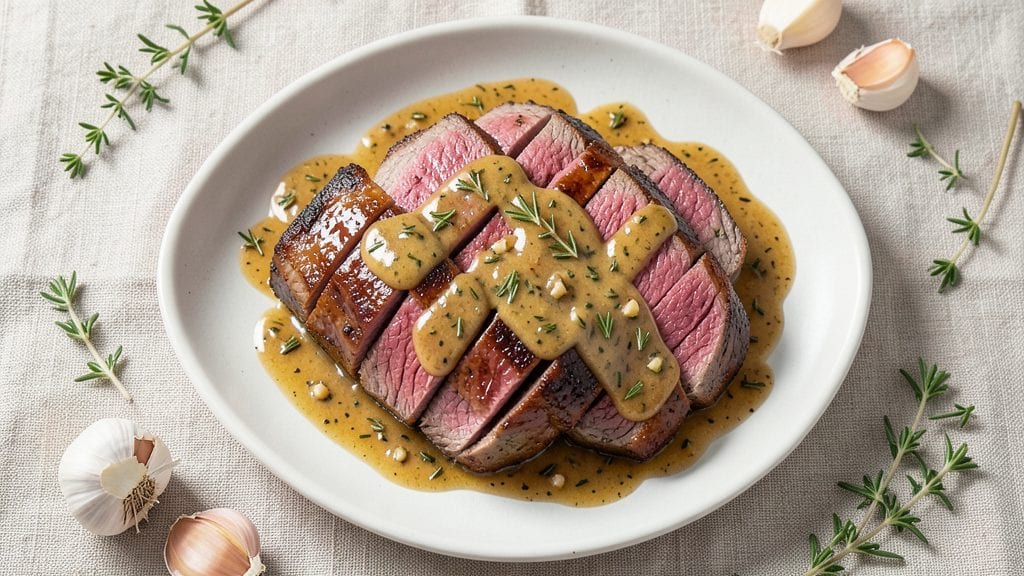
Mastering the perfect Pioneer Woman beef tenderloin recipe means achieving a juicy center that stays pink while delivering a crisp, herb-crusted exterior—something that elevates any dinner table. The secret lies in precise temperature control and a well-seasoned crust that locks in moisture.
I’ve refined this method over years of testing, ensuring every bite delivers that ideal balance of tenderness and flavor without drying out the meat.
This recipe transforms a simple cut of beef into a showstopper with minimal effort—just a few herbs, aromatics, and a 30-minute prep before roasting. The herb crust isn’t just for flavor; it acts as a protective barrier, keeping the meat succulent while developing a golden, caramelized exterior.
Whether you’re hosting a holiday feast or treating yourself to a special weeknight meal, this method guarantees restaurant-quality results at home.
The key steps—searing, reverse searing, and resting—ensure the tenderloin cooks evenly, with a pink center that remains moist and flavorful. The crust adds depth, while the internal temperature stays precise, avoiding the pitfalls of overcooking.
By the time you slice into it, you’ll see why this recipe has become a staple for home cooks who demand perfection without fuss.
Pair it with roasted potatoes, a rich red wine reduction, or a fresh salad to complete the meal. The technique is foolproof, and the results speak for themselves—tender, juicy beef with a crust that’s impossible to resist. Let’s get started on creating your best tenderloin yet.
Ingredients for pioneer woman beef tenderloin
Professional-grade ingredients transform this beef tenderloin into a restaurant-worthy centerpiece.
| Ingredient | Amount | Notes |
|---|---|---|
| Beef Tenderloin 🥩 | 3 lb | Center-cut, trimmed of silver skin |
| Dijon Mustard 🧂 | 2 tbsp | High-quality, unsalted preferred |
| Olive Oil 🫒 | ½ cup | Extra-virgin, for crust and searing |
| Fresh Rosemary 🌿 | ½ cup | Fine chopped, for herb crust |
| Fresh Thyme 🌿 | ¼ cup | Leaves only, finely chopped |
| Garlic Cloves 🧄 | 3 whole | Peeled, minced for crust |
| Kosher Salt 🧂 | 1 ½ tbsp | Diamond Crystal preferred |
| Freshly Ground Black Pepper 🌶️ | 1 tbsp | Medium-coarse grind |
| Whole Grape Tomatoes 🍅 | 1 cup | Halved for deglazing |
| Red Wine 🍷 | ½ cup | Cabernet Sauvignon, dry |
| Butter 🧈 | ¼ cup | Unsalted, for basting |
| Fresh Parsley 🌿 | ¼ cup | Chopped, for garnish |
The beef tenderloin is the star—opt for center-cut, USDA Choice grade with minimal marbling to avoid greasiness. Whole Foods Market or Costco carry excellent pre-trimmed cuts, but butcher shops will give you the freshest selection. Trim the silver skin thoroughly; it interferes with crust adhesion. For best results, purchase within 2 days of planned cooking—freshness is critical for tenderness. The 3-pound cut yields perfect 4-serving portions with minimal waste.
Substitutions require precision: dried rosemary and thyme can replace fresh at one-third the amount, but the texture won’t be as vibrant. Dijon mustard is non-negotiable—regular yellow mustard lacks depth. No red wine? Beef broth with 1 tbsp balsamic vinegar mimics acidity. For the crust, Italian seasoning blend works in a pinch, but lacks the complexity of fresh herbs. Tomatoes must be ripe and firm—overripe ones turn to mush when deglazing. Always use unsalted butter for basting to control seasoning.
This tenderloin requires immediate refrigeration upon purchase—wrap tightly in plastic and store on the bottom shelf. The herb crust can be prepped 24 hours ahead and refrigerated for better flavor development. Cook the tenderloin 30 minutes before serving to allow proper resting. Leftovers keep 4 days in the fridge, reheating beautifully when warmed gently in a skillet with a splash of broth. For freezing, wrap portions in foil and vacuum-seal for up to 3 months—thaw overnight in the fridge before cooking.
Why You'll Love This Recipe
- One-Pan Magic: I swear by this recipe because it’s that kind of dish—just the tenderloin, a slather of Dijon, and fresh herbs roasted right on the same pan. No chopping, no fussing, and the kitchen stays cleaner than my usual holiday mess.
- Herb-Infused Luxury: That rosemary-thyme blend? It’s the secret weapon. The Dijon adds a tangy depth, while the olive oil keeps it juicy and golden—like a fancy steakhouse bite without the pretension.
- Weeknight to Weekend: I make this for lazy Fridays and Sunday dinners. Slice it thin for sandwiches, serve it whole for company, or even freeze portions. It’s the one recipe that works for all of us—whether you’re feeding two or six.
- Leftovers That Don’t Suck: Honestly, the best part? The second night. Cold slices in a salad, reheated in a skillet, or tossed with mashed potatoes—it’s still rich, still tender, and still the star. No sad, dry reheats here.
Step-by-step instructions for herb-crusted beef tenderloin
Master this technique and you'll achieve a perfectly pink center with a flavorful herb crust every time.
Prepare the Herb Crust Mixture
In a medium bowl, combine the 0.5 cup olive oil, 2 tbsp Dijon mustard, 0.5 cup finely chopped fresh rosemary, 0.25 cup finely chopped fresh thyme, 3 minced garlic cloves, 1.5 tbsp kosher salt, and 1 tbsp freshly ground black pepper. Whisk vigorously until fully emulsified and the mixture reaches a smooth, paste-like consistency. The herb oils should be vibrant green with visible flecks of rosemary and thyme.
This herb mixture is the secret to both flavor and moisture retention. The olive oil carries the aromatics deeply into the meat while the Dijon mustard adds subtle tang that balances the richness. Let the mixture sit at room temperature for 15 minutes while you prepare the beef—this allows the flavors to meld and the oil to fully coat the herbs.
Season and Crust the Beef Tenderloin
Pat the 3 lb beef tenderloin completely dry with paper towels, removing any remaining moisture from the surface. This step is critical for achieving that perfect crust. Using your hands, gently press the herb mixture into the beef, coating it evenly on all sides. Work the mixture into the crevices and ends to ensure complete coverage.
Here's the thing—don't be shy with the herb paste. You want it to adhere firmly so it doesn't slide off during cooking. Place the coated tenderloin on a wire rack set over a baking sheet and refrigerate uncovered for at least 1 hour, or up to 4 hours for maximum flavor penetration. The cold helps the crust set while preventing the meat from cooking prematurely.
Sear the Tenderloin for Maximum Flavor
Preheat your oven to 425°F. Remove the tenderloin from the refrigerator and let it sit at room temperature for 30 minutes before cooking. Heat a heavy oven-safe skillet over medium-high heat until very hot. Add the beef and sear on all sides for 2-3 minutes per side, pressing down gently with a spatula during the first minute to prevent curling. You're looking for deep golden-brown color with some caramelization starting on the surface.
This initial searing creates the Maillard reaction that develops both color and flavor. The crust will continue to develop in the oven, but this step locks in those initial flavors. Transfer the seared tenderloin to the preheated oven, placing it on the middle rack for even heat circulation.
Roast to Perfect Medium-Rare
Roast the beef for 20-25 minutes for a medium-rare finish (internal temperature 130-135°F). The herb crust should be deeply aromatic with a crisp texture. Here's where precision matters: use a meat thermometer inserted into the thickest part of the tenderloin, avoiding the bone if present. The center should register 5-10°F below your target doneness—it will continue cooking slightly as it rests.
Real talk: your oven might run hot, so start checking at the 20-minute mark. The moment the thermometer hits your target, remove it immediately. Overcooking is the fastest way to ruin this dish. The internal color should remain vibrant pink with just a hint of warmth at the center.
Rest and Serve with Red Wine Reduction
Transfer the tenderloin to a cutting board and let it rest for 15 minutes before slicing. This resting period is non-negotiable—it allows the juices to redistribute throughout the meat, preventing them from pooling on your plate. During this time, prepare the red wine reduction by placing the same skillet over medium heat and adding the 1 cup halved whole grape tomatoes. Cook until they break down and release their juices, about 5 minutes. Deglaze with the 0.5 cup red wine, scraping up all the browned bits from the bottom of the pan.
Simmer the wine-tomato mixture until reduced by half, about 3-4 minutes. Remove from heat and stir in the 0.25 cup butter, allowing it to melt and create a silky sauce. The reduction should coat the back of a spoon with a balance of acidity from the tomatoes and richness from the wine. Slice the tenderloin against the grain into 1-inch thick portions and spoon the reduction generously over each serving. Garnish with 0.25 cup chopped fresh parsley for a pop of color and freshness.
Pro Tips For Making Pioneer Woman Beef Tenderloin
- SEAR IN BATCHES: That big tenderloin won’t brown properly if you crowd the pan. Cut it in half lengthwise (or work in two batches) and let it hit the oil at 450°F until deep golden—about 3 minutes per side. I learned this the hard way after walking away to check on the potatoes and coming back to pale, sad meat.
- BRUSH MUSTARD AFTER SEARING: The Pioneer Woman’s recipe calls for mustard before roasting, but I’ve found the real magic happens after searing. Brush that Dijon on hot meat—it caramelizes faster and sticks better. Skip this, and you’ll end up with a thin, flavorless glaze instead of a sticky, aromatic crust.
- CHOP HERBS COARSELY: Tiny thyme leaves and rosemary needles disappear into the meat, leaving you wondering why it tastes bland. Chop them into ¼-inch pieces so they stay visible and release aroma with every bite. (Yes, it looks rustic—but it works.)
- USE A MEAT THERMOMETER: Guessing doneness with beef tenderloin is how you end up with dry, overcooked meat. Aim for 125°F for medium-rare—pull it out early, tent with foil, and let it rest. I was skeptical until I tried it; now I never go back.
Serving suggestions for this pioneer woman beef tenderloin
Plating Like a Pro
Arrange your sliced tenderloin on a wooden or slate board for rustic charm, or use a white ceramic platter for elegant contrast. I like to fan the slices slightly apart to showcase the herb crust’s golden hue.
Add a drizzle of red wine reduction along the edges for visual appeal—this ties the colors together beautifully. 💫
Garnish for Freshness
A final sprinkle of chopped parsley adds vibrant color and a fresh finish. For extra flair, place thin lemon wedges alongside each serving—they brighten the plate and balance the richness. A few toasted pine nuts (about 2 tbsp) scattered on top add crunch and a nutty contrast.
Side Dish Pairings
Roasted garlic mashed potatoes with crème fraîche and chives make the perfect creamy counterpart. Alternatively, truffle-infused roasted potatoes elevate the dish with umami depth. For lighter options, try a simple arugula salad with lemon vinaigrette and shaved Parmesan.
Wine and Beverage Match
A bold Cabernet Sauvignon (like Louis Jadot) complements the beef’s richness, while a crisp Chardonnay (such as Meiomi) works if you prefer white. For non-alcoholic pairings, try sparkling pomegranate juice—its tartness cuts through the dish’s richness beautifully. 🍷
Make-Ahead Presentation
Slice the tenderloin ahead of time and keep it warm in a slow cooker on "warm" setting with a damp towel over it. Just before serving, reheat the reduction in a small saucepan and drizzle over the slices. This keeps everything looking fresh and ready to plate. ⏰
Nutrition facts
Frequently asked questions
How do I keep the beef tenderloin juicy?
The secret is in the resting time and proper internal temperature. Remove the tenderloin from the oven when it reaches 130°F for medium-rare—it will rise to 135°F while resting. Never skip the 15-minute rest; this lets juices redistribute instead of pooling on your plate. Also, pat the meat dry before crusting to ensure a perfect sear that locks in moisture.
Can I cook this recipe without a meat thermometer?
You can approximate timing, but a thermometer guarantees perfect results. For medium-rare, aim for 20-25 minutes at 425°F after searing. The center should feel slightly warm but still firm to the touch (like the base of your thumb). If unsure, cut into a small section—it should be pink in the middle with a slightly warm core, not lukewarm.
What’s the best way to store leftovers?
Slice the tenderloin and store in an airtight container with the red wine reduction drizzled on top. Leftovers keep for 4 days in the fridge. Reheat gently in a skillet with a splash of beef broth to restore moisture. For freezing, wrap portions in foil and vacuum-seal for up to 3 months—thaw overnight in the fridge before reheating.
Can I use a different herb crust?
Swap rosemary and thyme for fresh sage and oregano for Italian flair, or use dried mustard powder instead of Dijon if needed. Just ensure your herbs are finely chopped for even adhesion. The key is balancing fat (olive oil), acidity (mustard/Dijon), and salt—this trio ensures the crust sticks and flavors penetrate.
Why is my herb crust falling off?
This usually happens if the meat wasn’t dry enough before coating or the crust wasn’t pressed firmly. Pat the tenderloin thoroughly with paper towels, and use your hands to work the herb mixture into every crevice. Let it rest uncovered in the fridge for at least 1 hour—this helps the crust adhere better. If it still falls off, try a lighter coat and bake at a slightly lower temperature (400°F) to avoid overheating.