
Main Courses
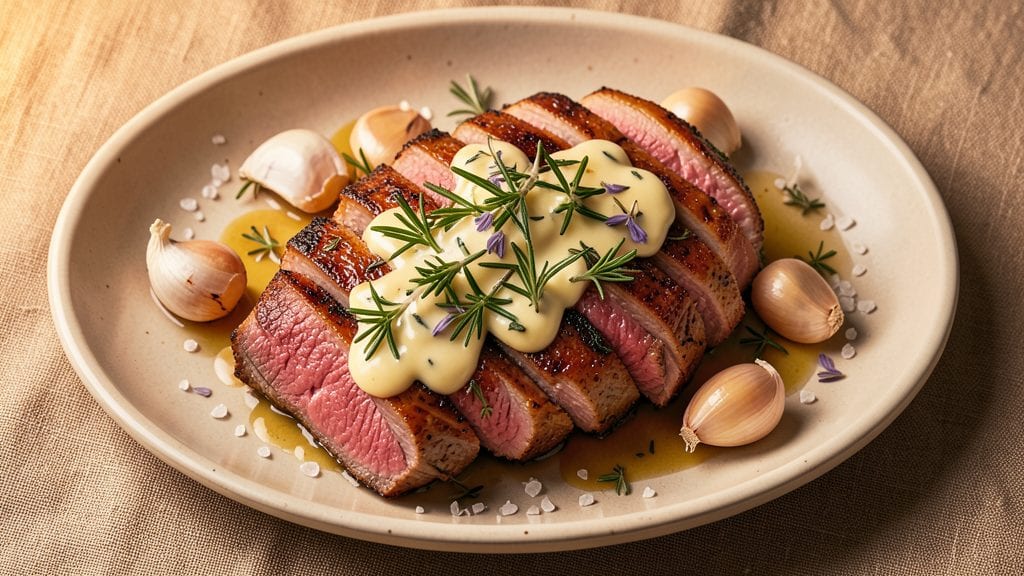
Rachael Ray's beef tenderloin recipe delivers tender, melt-in-your-mouth perfection with a simple herb-roast and pan gravy that elevates every bite. This technique transforms a premium cut into restaurant-quality dinner without requiring years of practice.
The key lies in precise temperature control and a foolproof searing method that locks in juices while creating a golden crust.
What sets this recipe apart is the balance between high-heat searing at 450°F and slow roasting at 325°F, ensuring medium-rare doneness with a juicy center and caramelized exterior. The herb butter basting infuses flavor while keeping the meat moist, and the pan gravy captures every savory drop for serving.
No special equipment is needed—just patience and attention to timing.
By following these steps, you'll achieve beef that's so tender it nearly falls apart at the touch, with a rich, aromatic crust and velvety gravy that ties everything together.
The result is a showstopping main course that feels luxurious yet remains approachable for home cooks. Perfect for special occasions or when you want to impress without stress.
The beauty of this method is its adaptability—pair with roasted vegetables, mashed potatoes, or a crisp salad to complete the meal. The secret weapon here is the resting period, which allows juices to redistribute for maximum tenderness. Let's create a beef tenderloin that rivals your favorite steakhouse.
Ingredients for rachael ray beef tenderloin
Sixteen ingredients transform premium beef into restaurant-quality tenderness with golden crust and velvety gravy.
| Ingredient | Amount | Notes |
|---|---|---|
| Beef Tenderloin 🥩 | 3 lb | Center-cut, trimmed of silver skin |
| Unsalted Butter 🧈 | ½ cup | Cold, cut into 1-inch cubes |
| Fresh Rosemary 🌿 | ¼ cup | Finely chopped, stems removed |
| Fresh Thyme 🌿 | ⅛ cup | Leaves only, stems discarded |
| Garlic Cloves 🧄 | 6 cloves | Minced, for herb butter |
| Diamond Crystal Kosher Salt 🧂 | 1 ½ tsp | Fine grain preferred |
| Freshly Ground Black Pepper 🌶️ | 1 tsp | Coarsely ground |
| Extra-Virgin Olive Oil 🫒 | 2 tbsp | For searing |
| Beef Bone Broth 💧 | 1 cup | Low-sodium, for gravy |
| All-Purpose Flour 🌾 | 1 tbsp | For gravy thickening |
| Red Wine 🍷 | ½ cup | Dry, for deglazing |
| Yellow Onion 🧅 | 1 whole | Large, sliced for aromatics |
The beef tenderloin is the star, so select a center-cut roast with visible marbling—this ensures maximum juiciness. Whole Foods Market or high-end butchers like D'Artagnan carry the best quality, but any reputable grocery store's premium section will suffice. Trim the silver skin carefully; it's tough and doesn't contribute to the final texture. For optimal results, purchase the tenderloin the day you plan to cook it to ensure peak freshness. The herb butter compound requires cold butter cubes to prevent premature melting during the roasting process.
No fresh rosemary? Dried rosemary at half the amount works in a pinch, though the flavor will be less vibrant. Substitute fresh sage for thyme if needed, using equal quantities. For the red wine, any dry variety like Cabernet Sauvignon or Merlot will suffice—just ensure it's not overly oaked, as heavy tannins can overpower the dish. The bone broth should be low-sodium to avoid making the gravy too salty; Kettle & Fire or Pacific Foods brands are excellent choices. If you're short on time, pre-minced garlic from a jar works fine, though freshly minced garlic adds superior depth of flavor.
The herb butter compound can be prepared up to 24 hours ahead and stored in an airtight container in the refrigerator. The roasted tenderloin should rest for 15-20 minutes before slicing to allow juices to redistribute evenly. The gravy can be reheated gently on the stovetop, adding a splash of beef broth if it thickens too much. For optimal storage, portion the sliced beef into airtight containers with a thin layer of gravy to keep it moist—it reheats beautifully and tastes even better the next day. The herb butter leftovers can be frozen for up to 3 months in a sealed container.
Why You'll Love This Recipe
- Foolproof Roast: I swear by this method—just season the tenderloin with salt, pepper, and those fresh herbs, then let the oven do the work. No flipping, no fussing, just melt-in-your-mouth results every time.
- Herb Butter Magic: That garlic-infused butter basting? Absolute game-changer. The rosemary and thyme caramelize into a fragrant crust, while the butter keeps the inside so tender it falls apart.
- Weeknight or Dinner Party: Same recipe, two vibes. Slap it on the table for a lazy Tuesday or impress guests with zero stress. The rich aroma alone makes it feel special, even if you’re just feeding your family.
- Leftover Luxury: Cook once, eat twice—no one complains. The leftovers reheat beautifully for sandwiches or salads, and the flavor only gets better the next day. Budget win, taste win.
Step-by-step instructions for herb-roasted beef tenderloin with pan gravy
Master this technique and you'll achieve melt-in-your-mouth tenderness with a rich, aromatic crust.
Prepare the Herb Butter and Season the Beef
In a small bowl, combine the 0.5 cup unsalted butter, 0.25 cup fresh rosemary, 0.125 cup fresh thyme, and 6 cloves garlic cloves. Mash with a fork until thoroughly blended and the mixture resembles coarse crumbs. This herb butter will create both flavor and moisture during roasting.
Pat the 3 lb beef tenderloin dry with paper towels—this is critical for achieving a crisp exterior. Season generously with 1.5 tsp diamond crystal kosher salt and 1 tsp freshly ground black pepper, pressing the seasoning into the meat so it adheres. Let the tenderloin sit at room temperature for 30 minutes while you prepare the oven.
Sear and Roast to Perfect Doneness
Preheat your oven to 450°F. Heat 2 tbsp extra-virgin olive oil in a heavy oven-safe skillet over medium-high heat. Once shimmering, add the beef tenderloin and sear on all sides for 2-3 minutes per side until developing a deep golden-brown crust. The reason for this initial sear is to lock in juices while creating that coveted caramelized exterior.
Transfer the skillet to the preheated oven and roast for 15 minutes. Reduce oven temperature to 325°F and continue roasting for an additional 20-25 minutes, or until the internal temperature reaches 125°F for medium-rare. Use a meat thermometer for accuracy—this is the only reliable way to ensure perfect doneness without overcooking.
Create the Pan Gravy
Remove the beef from the skillet and let it rest on a cutting board, tented loosely with foil. Place the skillet back on the stovetop over medium heat and add the prepared herb butter. Melt completely, scraping up any browned bits from the bottom of the pan—these contain concentrated flavor.
Add the 1 whole yellow onion and cook for 3-4 minutes until softened. Pour in the 0.5 cup red wine and deglaze, scraping continuously with a wooden spoon to incorporate all the fond. Let it reduce by half before stirring in 1 tbsp all-purpose flour and 1 cup beef bone broth. Simmer for 5-7 minutes until the gravy thickens to a velvety consistency.
Rest and Slice for Maximum Juiciness
While the gravy simmers, let the beef rest for 10-15 minutes. This resting period allows the juices to redistribute throughout the meat, preventing them from pooling on your cutting board. The internal temperature will rise about 5°F during this time, so don't be concerned if it reaches 130°F by the time you're ready to serve.
Slice the beef tenderloin into 1-inch thick medallions against the grain. Spoon the pan gravy over the top and serve immediately. The result should be perfectly tender beef with a rich, herb-infused crust and a velvety sauce that ties everything together.
Pro Tips For Making Rachael Ray Beef Tenderloin
- Trim the Fat First: Rachel Ray’s recipe works best with a clean-cut tenderloin—trim excess fat before seasoning. I learned this the hard way when a fatty edge turned my crust into greasy sludge instead of golden perfection. Use kitchen shears for speed, but don’t go overboard: leave a thin layer of fat on the sides for moisture.
- Brown the Butter Properly: That nutty aroma from the butter isn’t optional—it’s what elevates the dish. Melt the butter low and slow in a cold pan, then bump to medium heat until it foams and turns golden. If it burns, start over; burnt butter ruins the herb harmony. (Yes, even if you’re impatient like me.)
- Don’t Overcrowd the Pan: The recipe’s magic lies in the crust, and that needs room to breathe. If your tenderloin is thick, sear it in batches—even if it means two rounds in the pan. I once tried cooking two sides at once, and my crust turned soggy. Trust me, your future self will notice the difference.
- Rest Under Foil: After roasting, tent the tenderloin with foil and let it sit for 10–15 minutes. Skipping this step makes slicing a nightmare—juices pool, and the meat turns dry. Pro move: Use a meat thermometer to pull it at 125°F (it’ll rise to 130°F while resting), so you’re not guessing. (Your knife will thank you.)
Wine and beer pairings for rachael ray beef tenderloin
Bold Red Wine Pairings
This herb-roasted beef tenderloin pairs beautifully with a bold, full-bodied red wine that complements its rich, savory flavors. I recommend a Cabernet Sauvignon from Napa Valley—its dark fruit notes and firm tannins stand up to the beef's caramelized crust while harmonizing with the herb butter.
For something slightly lighter, try a Merlot from Washington State, which offers smoother tannins and red berry undertones that won't overpower the dish. 🍷
Crisp White Wine Options
If you prefer white wine, a dry Chardonnay with noticeable oak (like a Meursault from Burgundy) works surprisingly well. The buttery notes in the wine mirror the herb butter's richness, while its acidity cuts through the beef's fat.
For a non-oaked option, a Viognier from California—with its floral and stone fruit characteristics—adds a refreshing contrast to the hearty beef. 🍷
Malbec for Rich Depth
For a more exotic pairing, a Malbec from Argentina delivers deep, velvety fruit flavors and a touch of earthiness that enhances the rosemary and thyme in the dish.
The wine's dark plum and chocolate notes complement the beef's caramelization beautifully. Look for a Mendoza region bottle for the best balance of richness and acidity. 🍷
Beer Pairings
For beer lovers, a dark amber ale with caramel and toasted malt notes—like a Fat Tire—pairs wonderfully with the beef's crust and gravy. Alternatively, a Belgian-style dubbel with its rich, spiced profile (think Westmalle Dubbel) adds a complex contrast to the herb butter's brightness.
Avoid overly hoppy IPAs, as they can clash with the dish's savory depth. 🍺
Light-Bodied Options
If you're serving this with lighter sides like a fresh salad, consider a Pinot Noir from Oregon. Its bright acidity and red fruit flavors won't overpower the beef but will cleanse your palate between bites.
For a non-alcoholic option, a sparkling rosé with its crisp acidity and berry notes provides a refreshing contrast. 🥂
Serving Temperature Tips
Serve red wine slightly below room temperature—around 60-65°F—to enhance its aromas and flavors. For white wines and beers, chill to 45-50°F to maintain their crispness. I always pour a small amount into my glass first to assess the wine's readiness before serving the full glass.
This ensures the first sip is perfect. ✨
Nutrition facts
Frequently asked questions
How do I know when my beef tenderloin is perfectly cooked?
Use a meat thermometer to check the internal temperature. For medium-rare, aim for 125°F—this ensures a juicy center. The resting period will raise the temperature to 130°F by the time you serve. Never rely on time alone; every oven varies in heat distribution.
Can I make this recipe without a meat thermometer?
While challenging, you can estimate doneness by using the touch test: For medium-rare, the meat should feel slightly soft in the center (like pressing your thumb on your palm). However, this method is unreliable—overcooking is easy without precise temperature control. Invest in a $15 instant-read thermometer for foolproof results.
What's the best way to store leftovers?
Slice the cooled beef and store it in an airtight container with a thin layer of gravy to keep it moist. Leftovers stay fresh in the refrigerator for 3-4 days. For longer storage, freeze the sliced beef (without gravy) for up to 3 months. Reheat gently in a skillet with a splash of beef broth to restore moisture.
Why did my beef turn out dry?
Overcooking is the most common cause—beef continues cooking after removal from heat. Always rest the meat for 10-15 minutes before slicing. Also, avoid cutting into it too soon; juices need time to redistribute. For extra moisture, baste with melted herb butter during roasting.
Can I substitute a different herb blend?
Swap rosemary and thyme for 1 tbsp each of dried oregano and marjoram or 1 tsp smoked paprika for a different flavor profile. Just maintain the same quantity (about 0.5 cup total) to keep the herb butter balanced. Fresh herbs always taste better than dried, but if needed, use half the dried amount.