
Main Courses
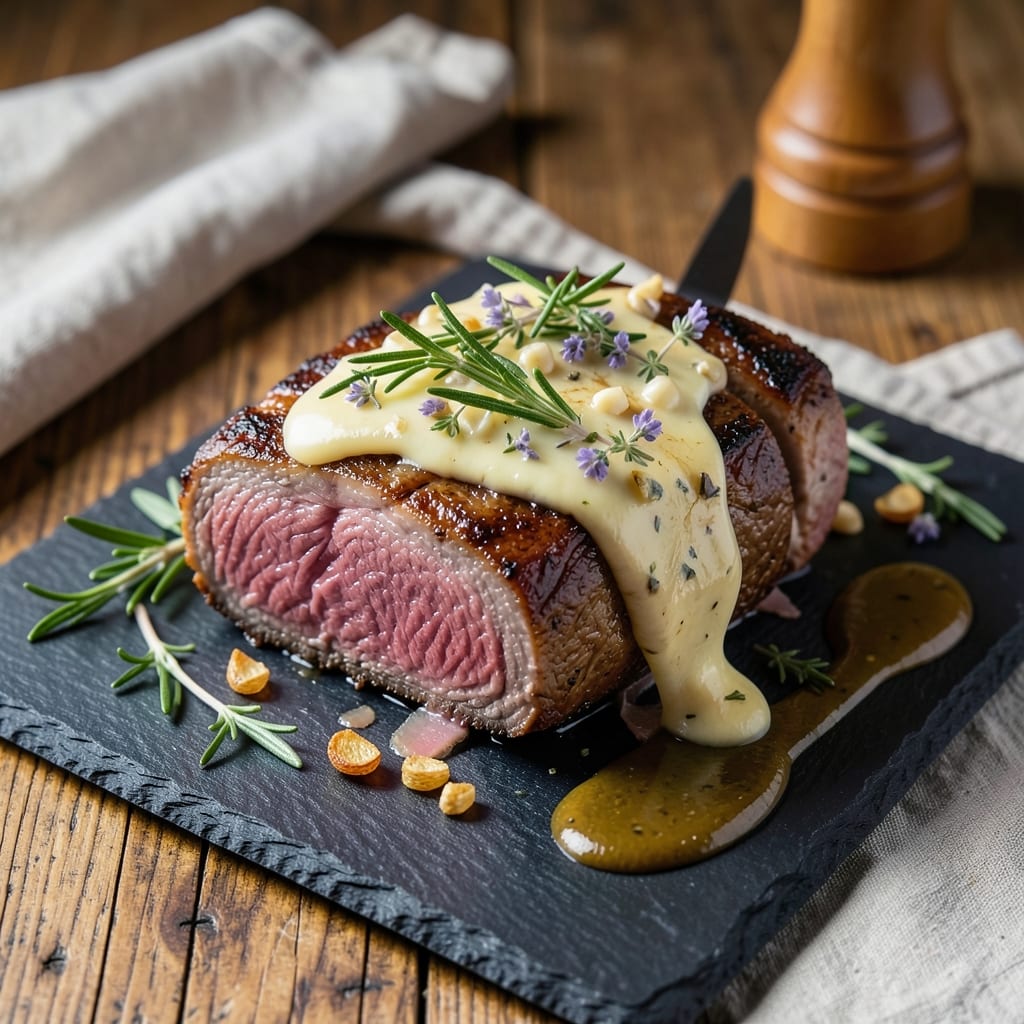
This 9-lb beef tenderloin recipe delivers a showstopping centerpiece that’s tender, juicy, and perfectly seared—every time. The secret lies in precise trimming, a flavorful herb crust, and mastering the internal temperature to achieve that coveted medium-rare pink core. I’ve perfected this method over years of hosting dinner parties, ensuring even the largest cuts emerge flawless from the oven.
The process begins with trimming excess fat and silver skin for a cleaner, more elegant presentation, then coating the tenderloin in a blend of aromatic herbs and Dijon mustard for depth. Roasting at a controlled temperature guarantees even doneness, while a resting period locks in moisture. This isn’t just a recipe—it’s a technique that transforms a simple cut into a restaurant-worthy masterpiece.
What sets this apart is the attention to detail: from 125–130°F internal temp for medium-rare to the perfect 30-minute rest before carving. The result? A slice so tender it melts in your mouth, with a crust that’s crisp and golden. Pair it with red wine, roasted vegetables, or a creamy horseradish sauce for the ultimate dining experience.
Make it ahead of time and let the flavors develop even deeper—this recipe is designed for stress-free entertaining. Whether you’re feeding a crowd or treating yourself to a special meal, this foolproof method ensures success. Let’s get started on creating your perfect tenderloin.
Ingredients for 9 lb beef tenderloin
Nine pounds of perfection—herb-crusted, seared to golden glory with that legendary pink core.
| Ingredient | Amount | Notes |
|---|---|---|
| Beef Tenderloin 🥩 | 9 lb | Center-cut, trimmed of silver skin |
| Unsalted Butter 🧈 | ½ cup | Cold, cubed for crust |
| Fresh Rosemary 🌿 | ½ cup | Finely chopped, stems removed |
| Fresh Thyme 🌿 | ¼ cup | Leaves only, finely chopped |
| Garlic Cloves 🧄 | 8 cloves | Minced for herb paste |
| Dijon Mustard 🍯 | 2 tbsp | High-quality for depth |
| Coarse Kosher Salt 🧂 | 2 tbsp | Diamond Crystal preferred |
| Freshly Ground Black Pepper 🌶️ | 1 ½ tbsp | Freshly cracked for intensity |
| Extra-Virgin Olive Oil 🫒 | ¼ cup | For searing crust |
| Red Wine 🍷 | ½ cup | Dry, bold variety like Cabernet |
| Beef Stock 🥄 | 1 cup | Homemade or high-quality |
| Fresh Parsley 🌿 | ¼ cup | Chopped for garnish |
The beef tenderloin is your star, so invest in the best quality—look for center-cut with minimal marbling at Whole Foods or your trusted butcher. Trimming the silver skin takes 10 minutes but makes all the difference for presentation and even cooking. For the herb crust, fresh rosemary and thyme from the grocery store’s refrigerated section (not the dried aisle) pack the most flavor. If you’re prepping ahead, store the trimmed tenderloin uncovered in the fridge for 24 hours to dry-brine—this ensures a perfect crust later. The Dijon mustard should be the good stuff—Maille or Whole Foods brand—it adds depth that generic brands can’t match.
No fresh rosemary? Fresh sage works beautifully at the same amount, or sub 1 tbsp dried rosemary (but toasting it first in a dry pan for 30 seconds amplifies the flavor). Running out of red wine? Beef stock plus 1 tbsp balsamic vinegar mimics the acidity perfectly. The olive oil matters here—use something fruity and peppery like California extra-virgin for that searing crust. For the crust itself, pulse the herbs, garlic, salt, and pepper in a food processor until finely chopped (about 10 seconds)—this ensures even distribution. Pro tip: Chill the herb mixture for 15 minutes before applying to help it stick better to the tenderloin.
This masterpiece is all about timing and patience. Roast the tenderloin at 425°F until it reaches 125–130°F internal temp (use a meat thermometer—no guessing!). Then, rest for 30 minutes before carving—this is non-negotiable for juiciness. Leftovers? Reheat gently in the oven at 250°F for 10 minutes to keep it tender. The herb crust reheats beautifully, so don’t skip the second round of searing before serving. Store any leftovers in an airtight container for up to 4 days in the fridge, or freeze for 3 months—portion into individual slices for easy reheating.
Why You'll Love This Recipe
- No-Fuss Roast: I swear by this—just season, sear, and let the oven do the work. The tenderloin doesn’t need babying, and the butter basting? That’s the only "work" you’ll do.
- Herb-Crusted Magic: Between the rosemary’s piney kick and thyme’s earthy warmth, every bite tastes like a fancy steakhouse. The garlic? It melts into the beef instead of overpowering—just enough to make your taste buds sing.
- Leftovers for Days: A 9-pound roast means dinner tonight and sandwiches for lunch next week. Slice it thin, toss with a little pan sauce, and suddenly you’ve got effortless meals without extra cooking.
- Weeknight Hero: This isn’t a "special occasion" roast—it’s the kind of thing I pull out when I’m exhausted but still want to impress. Minimal prep, maximum wow factor, and zero stress. (Yes, even on a Tuesday night.)
Step-by-step instructions for herb-crusted beef tenderloin
Master this elegant cut with a flawless herb crust and juicy pink center—every detail matters.
Prepare the Herb Crust Mixture
In a food processor, combine the 0.5 cup fresh rosemary, 0.25 cup fresh thyme, 8 cloves minced garlic, 2 tablespoons Dijon mustard, 2 tablespoons coarse kosher salt, and 1.5 tablespoons freshly ground black pepper. Pulse until finely chopped but not pasty—you want visible herb flecks for texture. Transfer to a bowl and mix in the 0.5 cup cold cubed unsalted butter using your fingers until evenly distributed. The butter should form a coarse, crumbly paste that will adhere beautifully to the tenderloin.
This herb mixture is the secret to both flavor and texture. The butter creates a golden crust while the herbs infuse deep aromatic notes. Spread the mixture on a plate and let it sit at room temperature for 10 minutes—this prevents the butter from melting when you press it onto the meat.
Sear the Tenderloin for Maximum Flavor
Preheat your oven to 425°F. Pat the 9 lb beef tenderloin completely dry with paper towels—this is non-negotiable for crispy skin. Heat 0.25 cup extra-virgin olive oil in a heavy oven-safe skillet over medium-high heat until shimmering. Place the tenderloin in the skillet and sear for 8-10 minutes, turning occasionally, until all sides develop a deep golden-brown crust. The oil should sizzle vigorously—if it smokes excessively, reduce heat slightly.
Don't rush this step. The sear locks in juices and creates the foundation for your herb crust. Once seared, transfer the tenderloin to a cutting board and let it rest for 5 minutes before proceeding. This brief rest prevents the crust from cracking when you add the herb mixture.
Apply the Herb Crust and Roast
Press the herb butter mixture firmly over the entire surface of the seared tenderloin, covering it completely. The mixture should stick easily—if it doesn't, chill the tenderloin for 10 minutes to firm up the butter. Transfer the tenderloin to the preheated skillet (or a roasting pan if using one) and place it in the oven. Roast for 30-35 minutes until the internal temperature reaches 125°F—this is the perfect medium-rare stage for tenderloin.
Here's the thing—tenderloin is forgiving, but timing is critical. Use a meat thermometer for accuracy. The crust should be golden and crisp, while the center remains tender and pink. If the crust browns too quickly, tent loosely with foil to prevent over-browning.
Deglaze and Create the Pan Sauce
Remove the tenderloin from the oven and let it rest on a cutting board for 15-20 minutes—this is where the magic happens as juices redistribute. While it rests, place the skillet (with all those glorious browned bits) over medium heat. Add 0.5 cup red wine and scrape up the fond with a wooden spoon, letting it reduce by half. Pour in 1 cup beef stock and simmer for 5-7 minutes until the sauce thickens slightly. Strain if you prefer a smoother sauce, or leave it rustic for texture.
The sauce should coat the back of a spoon with a velvety consistency. If it's too thin, simmer longer; if too thick, whisk in a splash of stock. Taste and adjust seasoning with additional salt or pepper if needed. This sauce elevates the dish from simple to spectacular.
Garnish and Serve with Confidence
Slice the rested tenderloin into 1-inch thick medallions against the grain for maximum tenderness. Arrange on a platter and drizzle generously with the pan sauce. Garnish with 0.25 cup chopped fresh parsley for a pop of color and freshness. Serve immediately with roasted vegetables or a creamy mashed potato to soak up every last bit of that luxurious sauce.
Each slice should be juicy, tender, and bursting with herb-infused flavor. The crust should be crisp yet yield slightly under pressure, while the center remains perfectly pink. This is the kind of dish that makes you look like a culinary pro—even if you're just getting started.
Pro Tips For Making 9 Lb Beef Tenderloin
- USE A MEAT THERMOMETER: I learned this the hard way—guessing medium-rare on a 9-pound tenderloin is a recipe for disaster. That thing cooks unevenly, and by the time the center hits 130°F (for medium-rare), the outside might already be overdone. Stick the probe in the thickest part before it goes in the oven, and pull it when it reads 125°F—it’ll rise to 130°F while resting.
- SALT THE MEAT 24 HOURS EARLY: This isn’t the prettiest method, but it’s the tastiest. A 9-pound tenderloin needs time for the salt to penetrate deeply, especially since you’re using unsalted butter later. Sprinkle 1 tablespoon of kosher salt per pound all over (yes, even if it feels excessive) and let it sit uncovered in the fridge. I skip this when I’m lazy, but the dish is noticeably better when I don’t.
- BASIL THE GARLIC: Here’s the part no one talks about: smashing those garlic cloves flat makes a real difference. Use the side of your knife to crush them into thin discs—this releases more flavor and ensures they caramelize instead of burning. I was skeptical until I tried it, and now I won’t cook tenderloin any other way.
- REST IT UNDER FOIL: Give it a solid 5-10 minutes under foil before slicing, even if you’re impatient like me. That 9-pound roast holds onto heat like a grudge, and cutting into it too soon will turn your beautiful slices into sad, gray puddles. Tent loosely with foil and let the juices redistribute—your future self will thank you.
Creative variations of this dish
Herb Variations
Swap out the rosemary and thyme for fresh sage and tarragon—this combo adds a delicate anise-like note that pairs beautifully with red wine. Use the same quantities but increase the Dijon mustard to 3 tablespoons for extra depth. For a Mediterranean twist, try fresh oregano and marjoram with 1 teaspoon crushed red pepper flakes for subtle heat. 🌿
Spiced Crust Options
Add 1 teaspoon ground coriander and ½ teaspoon smoked paprika to the herb mixture for a warm, earthy flavor. For a bold kick, mix in 1 tablespoon chopped fresh cilantro and ½ teaspoon cumin—this works surprisingly well with a chipotle-infused olive oil sear. The spices should be finely ground to blend seamlessly with the butter. 🌶️
Wine-Inspired Sauces
Deglaze with ½ cup dry sherry instead of red wine for a nutty, slightly sweet sauce that complements the herb crust. For a richer option, use ½ cup port wine and add 1 tablespoon honey to the reduction. Both alternatives work beautifully with the beef’s natural richness. 🍷
Make-Ahead Adaptations
Prepare the herb crust mixture up to 2 days ahead and store it in an airtight container in the fridge. For a pre-cooked tenderloin, roast it to 115°F internal temp, then chill completely before reheating to 125°F in the oven. This method is perfect for stress-free entertaining—just slice and serve after a quick warm-up. ⏰
Global Flavor Twists
Transform this into a French-style tenderloin by adding 1 tablespoon chopped shallots and 1 teaspoon herbes de Provence to the crust. For an Italian version, use fresh basil and rosemary with 1 tablespoon grated Parmesan mixed into the butter. Both adaptations keep the technique simple while adding exciting regional flair. 🗺️
Sauce Alternatives
Skip the wine reduction and make a cream sauce by whisking 1 cup heavy cream with 1 tablespoon cornstarch and simmering until thickened. For a lighter option, blend the pan drippings with ½ cup beef broth and 1 tablespoon Dijon for a silky sauce. Both work beautifully with the herb crust’s robust flavors. 🥄
Nutrition facts
Frequently asked questions
How long should I let a 9 lb beef tenderloin rest before carving?
Always let it rest for 30 minutes after roasting. This crucial step allows juices to redistribute throughout the meat, ensuring each slice stays moist and tender. Skipping this will result in dry, disappointing slices—don't rush it!
Can I cook this tenderloin to medium instead of medium-rare?
Yes, but adjust your target temperature to 145°F for medium doneness. The cooking time will be slightly longer, but the herb crust will still form beautifully. Just be sure to use a meat thermometer for accuracy—never rely on visual cues alone.
What's the best way to reheat leftover tenderloin slices?
Gently reheat slices in a 250°F oven for 10-12 minutes on a wire rack over a baking sheet. This method preserves moisture better than microwaving. For extra flavor, brush with a little beef stock and cover loosely with foil.
How do I calculate serving sizes for a 9 lb tenderloin?
With 12 servings, each portion will be about 3/4 lb per person. For a more generous serving (like at holiday meals), aim for 1 lb per person with appropriate sides. Remember, tenderloin is lean—pair it with rich sides like mashed potatoes or red wine reductions to balance the meal.
What's the secret to preventing the herb crust from falling off?
Chill the seared tenderloin for 10 minutes before pressing on the herb butter mixture—this firms up the butter and helps it adhere better. Also, make sure your herb mixture isn't too warm when applying. Press firmly and evenly for maximum stickiness.