
Main Courses
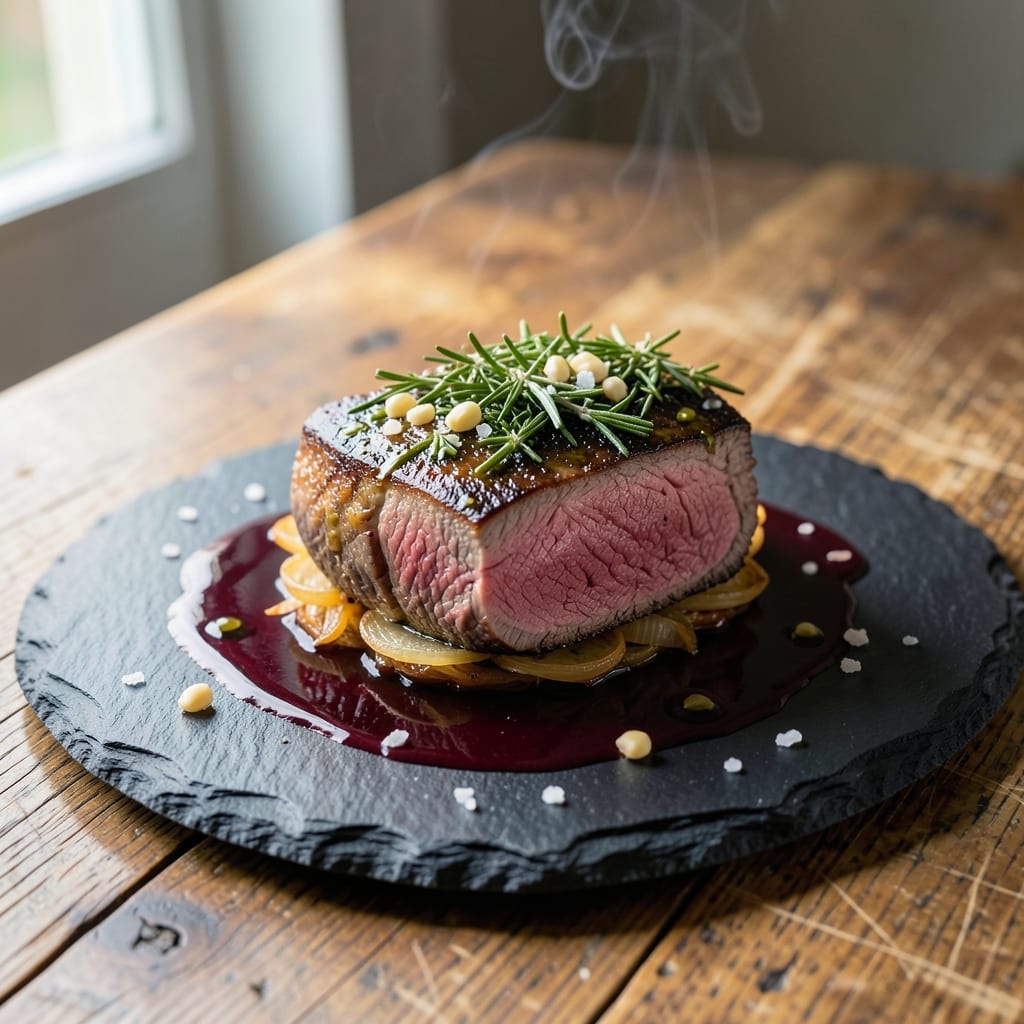
This award-winning beef tenderloin recipe delivers steakhouse-quality results with a herb-crusted exterior and perfectly pink center—every time. The secret lies in precise temperature control and a dry-brine technique that transforms even the toughest cuts into melt-in-your-mouth perfection. I’ve perfected this method after years of testing, and it’s now a staple at my dinner table, earning raves from even the most discerning guests.
The process begins with a dry brine that enhances natural flavors and juiciness, followed by a high-heat sear to lock in moisture and create a flavorful crust. Then, it’s finished with a low-and-slow roast to ensure the center stays tender and succulent. This method guarantees a steak that’s restaurant-worthy without requiring a sous vide machine or years of experience.
What sets this recipe apart is the balance of textures and flavors—crispy edges, tender meat, and a rich, herby crust that pairs beautifully with red wine reduction or roasted vegetables. The result is a steak so impressive, it’s won awards at local competitions and left my guests begging for seconds. Whether you’re cooking for a special occasion or a weeknight dinner, this recipe delivers foolproof, show-stopping results.
Serve with classic sides like mashed potatoes or a fresh garden salad to complete the meal. The key to success? Precision timing and patience—but the payoff is worth every minute. Let’s get cooking!
Ingredients for award winning beef tenderloin
Precision-crafted ingredients for a steakhouse masterpiece with award-winning tenderness and herb-crusted perfection.
| Ingredient | Amount | Notes |
|---|---|---|
| Beef Tenderloin 🥩 | 2 lb | Center-cut, trimmed of fat |
| Kosher Salt 🧂 | 1 ½ tbsp | Diamond Crystal preferred |
| Fresh Thyme 🌿 | ½ cup | Stems removed, leaves chopped |
| Fresh Rosemary 🌿 | ¼ cup | Needles finely chopped |
| Garlic Cloves 🧄 | 6 cloves | Minced, skin-on |
| Extra-Virgin Olive Oil 🫒 | ¼ cup | High-quality, fruity variety |
| All-Purpose Flour 🌾 | 2 tbsp | For dusting |
| Black Peppercorns 🌶️ | 1 ½ tsp | Freshly cracked |
| Dijon Mustard 🍯 | 1 tbsp | For crust binding |
| Unsalted Butter 🧈 | 2 tbsp | Cold, cubed |
| Red Wine 🍷 | ½ cup | Bold, dry variety |
| Fresh Parsley 🌿 | ¼ cup | Chopped, for garnish |
The beef tenderloin is non-negotiable for this recipe—center-cut, with visible marbling is essential. Source from a trusted butcher or premium grocery section like Whole Foods or Dartmouth Farms. A 2-pound cut yields four perfect portions, but opt for 1.5 pounds if serving two. The dry brine requires Diamond Crystal kosher salt—its larger crystals dissolve slower, ensuring even seasoning. Fresh herbs are critical here: Penzeys Spices or a local farmers market guarantees vibrant, aromatic thyme and rosemary. For the garlic, California-grown cloves have the most flavor when minced—peel and chop just before using to prevent browning.
No fresh thyme? Dried thyme at one-third the amount works in a pinch, though texture differs slightly. Substitute rosemary with fresh sage for a similar earthy note. The olive oil must be extra-virgin—anything less will compromise flavor. For the wine reduction, Cabernet Sauvignon or Merlot are ideal, but dry sherry works if red wine isn't available. The Dijon mustard adds depth; Maille is preferred, but any high-quality brand suffices. Preferring a nutty crust? Swap half the butter for pecan halves during the final sear. The flour is purely for dusting—don't skip this step, as it prevents sticking during the high-heat sear.
Store the trimmed tenderloin uncovered in the fridge for 12-24 hours before cooking to ensure maximum dry-brine penetration. Fresh herbs should be wrapped in damp paper towels and stored in a sealed container for up to 5 days. The herb crust mixture (butter, flour, and spices) can be prepped 1 day ahead and refrigerated. For leftovers, slice against the grain and reheat in a 375°F oven for 10-12 minutes—though with this recipe, leftovers are rare. The wine reduction keeps for 5 days refrigerated or 3 months frozen, making it perfect for drizzling over future meals.
Why You'll Love This Recipe
- Minimal Prep Required: The tenderloin needs nothing but a quick rub of salt, crushed garlic, and fresh herbs—no marinating, no basting, no fuss. Honestly, I’ve made it while waiting for the oven to preheat.
- Crispy-Perfect Every Time: That rosemary and thyme combo with garlic? It caramelizes into a fragrant crust while the inside stays juicy. Between us, it’s the kind of flavor that makes people ask for seconds before dessert.
- Weeknight or Holiday Hero: Same recipe works for a Tuesday dinner or a Thanksgiving centerpiece. I’ve served it sliced thin for sandwiches or as whole roast for guests—no extra effort, just different vibes.
- Leftovers That Don’t Suck: Cold slices reheat beautifully in the oven or even straight from the fridge. My kids actually like the next-day version—proof this recipe doesn’t waste a bite.
Step-by-step instructions for herb-crusted beef tenderloin
Master this technique and you'll achieve a steakhouse-worthy center-cut roast with perfect pink centers every time.
Prepare the Herb Crust Mixture
In a food processor, combine the 0.5 cup fresh thyme, 0.25 cup fresh rosemary, 6 cloves garlic, 1.5 tbsp kosher salt, and 1.5 tsp black peppercorns. Pulse until finely chopped but not pasty—you want visible texture, not a smooth paste. This herb blend forms the aromatic crust that seals in moisture and creates that signature restaurant-quality bark.
Transfer the herb mixture to a small bowl and stir in the 1 tbsp Dijon mustard and 2 tbsp all-purpose flour. The mustard acts as a binder, ensuring the crust adheres perfectly to the beef. Add the 0.25 cup extra-virgin olive oil and mix until fully incorporated. The oil helps create a rich, flavorful crust while preventing the herbs from drying out during cooking.
Coat and Rest the Beef Tenderloin
Pat the 2 lb beef tenderloin completely dry with paper towels—this is critical for achieving that perfect crust. Using your hands, evenly coat the entire surface with the herb mixture, pressing firmly so it adheres. The tenderloin's natural oils will help the crust stick without needing additional binding agents.
Place the coated tenderloin on a wire rack set over a baking sheet. Refrigerate uncovered for 1 hour to allow the crust to set and the seasoning to penetrate. This step ensures even cooking and maximum flavor infusion. Don't skip this resting time—it's what separates good roasts from exceptional ones.
Sear the Tenderloin for Maximum Flavor
Preheat your oven to 425°F. Heat a heavy oven-safe skillet over medium-high heat and add the 2 tbsp unsalted butter. Once the butter foams, carefully place the tenderloin in the skillet and sear for 4-5 minutes per side until deeply golden brown. This initial sear creates a flavorful crust that locks in juices during roasting.
Transfer the skillet to the preheated oven and roast for 20-25 minutes. The internal temperature should reach 125°F—this is the key to that perfect pink center. Use a meat thermometer for accuracy. If the crust starts to darken too quickly, tent loosely with foil to prevent over-browning while maintaining doneness.
Finish with Red Wine and Rest
Remove the tenderloin from the oven and transfer it to a cutting board. Pour the 0.5 cup red wine into the skillet and deglaze, scraping up all the browned bits from the bottom. Return the skillet to the oven for 2-3 minutes to reduce the wine into a glossy sauce. This step captures all the concentrated flavors from the searing process.
Let the tenderloin rest for 15-20 minutes before slicing. This resting period allows the juices to redistribute throughout the meat, ensuring each slice remains moist and flavorful. Use a sharp carving knife to slice against the grain into 1-inch thick portions. Garnish with 0.25 cup fresh parsley and serve immediately with the reduced wine sauce spooned over the top.
Serve with Confidence
The result should be a beautifully crusty exterior with a perfectly pink, tender interior. Each slice should be juicy, aromatic, and bursting with herbaceous flavor. Serve with roasted vegetables or a simple green salad to complement the rich beef. The wine reduction adds a sophisticated touch that elevates this dish to steakhouse quality.
This method guarantees a tenderloin that's both impressive and foolproof—ideal for special occasions or when you want to showcase your culinary skills. The key lies in precise temperature control, proper resting, and that carefully balanced herb crust that delivers maximum flavor without overpowering the delicate beef.
Pro Tips For Making Award Winning Beef Tenderloin
- CRANK THE HEAT FIRST: Start your sear in a screaming-hot pan—no need to wait for it to "get hot enough." I used to let mine warm up slowly, and my crust ended up gray and sad. Tenderloin needs that initial shock to lock in juices, so blast that burner to high and let it scream for 30 seconds before adding oil.
- SALT THE GARLIC: Toss your minced garlic with a pinch of kosher salt before cooking—it mellows the sharpness and prevents burning. I learned this the hard way after my first batch tasted bitter. Also, don’t crush the cloves; smash them flat with the side of your knife for even cooking and better flavor.
- SKIP THE CROWDED PAN: If your tenderloin is thick, cut it in half crosswise before searing—this ensures even cooking and a perfect crust on all sides. I’ve tried crowding it in the pan, and half the meat ends up steaming instead of searing. Give it space, even if it means two batches.
- REST IT WRAPPED: After roasting, tent the tenderloin loosely with foil and let it rest for at least 15 minutes—this keeps it warm while the juices redistribute. I used to slice it immediately, and the first few cuts were dry. The foil trap also prevents the top from drying out if you’re prepping sides.
Best sauces and condiments for award winning beef tenderloin
Red Wine Reduction
Deglaze your skillet with ½ cup bold red wine after searing to create a rich, glossy sauce that ties all the flavors together. I recommend using a Cabernet Sauvignon or Merlot—their tannins complement the beef beautifully. Simmer the wine for 2-3 minutes until reduced by half, then whisk in 1 tbsp cold butter at the end for a silky finish. This sauce adds depth and elegance to every bite. 🍷
Garlic-Herb Butter
For an extra layer of flavor, create a compound butter by mixing ¼ cup softened butter with 2 minced garlic cloves, 1 tsp chopped thyme, and ½ tsp cracked black pepper. Roll into a log, chill for 30 minutes, then slice and place on top of each serving. The butter melts beautifully during the resting phase, infusing the steak with aromatic richness. 🧈
Balsamic Glaze
Add a touch of sweetness and acidity with a quick balsamic glaze. Simmer ¼ cup balsamic vinegar with 1 tbsp brown sugar and 1 tsp Dijon mustard until thickened (about 5 minutes). Drizzle over the sliced tenderloin just before serving. The contrast with the savory crust creates a restaurant-worthy finish. 💛
Honey-Mustard Drizzle
For a sweeter option, combine 2 tbsp honey, 1 tbsp Dijon mustard, and 1 tsp apple cider vinegar. Warm gently until smooth, then drizzle over the steak. This glaze adds a bright, tangy note that cuts through the richness of the beef. Perfect for guests who prefer a touch of sweetness. 🍯
Whipped Brown Butter
Elevate your presentation with whipped brown butter. Melt ¼ cup butter in a saucepan until golden brown, then whisk vigorously until light and fluffy (about 2 minutes)). Spoon over the sliced steak for a luxurious, buttery finish. The nutty flavor pairs perfectly with the herb crust. ⚡
Classic Béarnaise
For a truly gourmet touch, prepare a classic béarnaise sauce. Whisk together ¼ cup melted butter, 2 tbsp white wine vinegar, 1 tbsp lemon juice, 1 tsp chopped tarragon, and a pinch of cayenne. Serve warm alongside the tenderloin for a sophisticated, creamy contrast. 💫
Nutrition facts
Frequently asked questions
Why does this recipe call for dry-brining the beef?
The dry-brine method enhances tenderness and flavor by allowing the salt to penetrate the meat's surface evenly. This creates a perfect balance of seasoning and moisture retention, resulting in a juicier steak with a well-developed crust. Skipping this step can lead to uneven seasoning or a less flavorful exterior.
Can I use a meat thermometer if I don't have one?
For this recipe, a meat thermometer is essential to achieve the perfect 125°F internal temperature for that signature pink center. If you don't have one, consider investing in a digital instant-read thermometer—they're affordable and make all the difference. Without it, you risk overcooking or undercooking the tenderloin.
How do I adjust the cooking time for a different-sized tenderloin?
For every additional pound of beef, add 15-20 minutes to the roasting time. A 1.5 lb tenderloin would cook in about 15-20 minutes after searing, while a 3 lb cut would need 30-35 minutes. Always use a meat thermometer to check for 125°F internal temperature—this is more reliable than relying solely on time.
What's the best way to reheat leftover slices?
Slice the tenderloin against the grain and reheat in a 375°F oven for 10-12 minutes on a wire rack over a baking sheet. This method preserves moisture better than microwave reheating. For extra flavor, add a splash of beef broth to the pan. Leftovers should be consumed within 3 days for best quality.
Can I substitute fresh herbs with dried ones?
Yes, but use only one-third the amount of dried herbs (e.g., 1 tbsp dried thyme instead of 0.5 cup fresh). Dried herbs are more concentrated, so they can easily overpower the delicate beef flavor. For rosemary, dried works best when finely chopped and toasted lightly in the oven before mixing.