
Main Courses
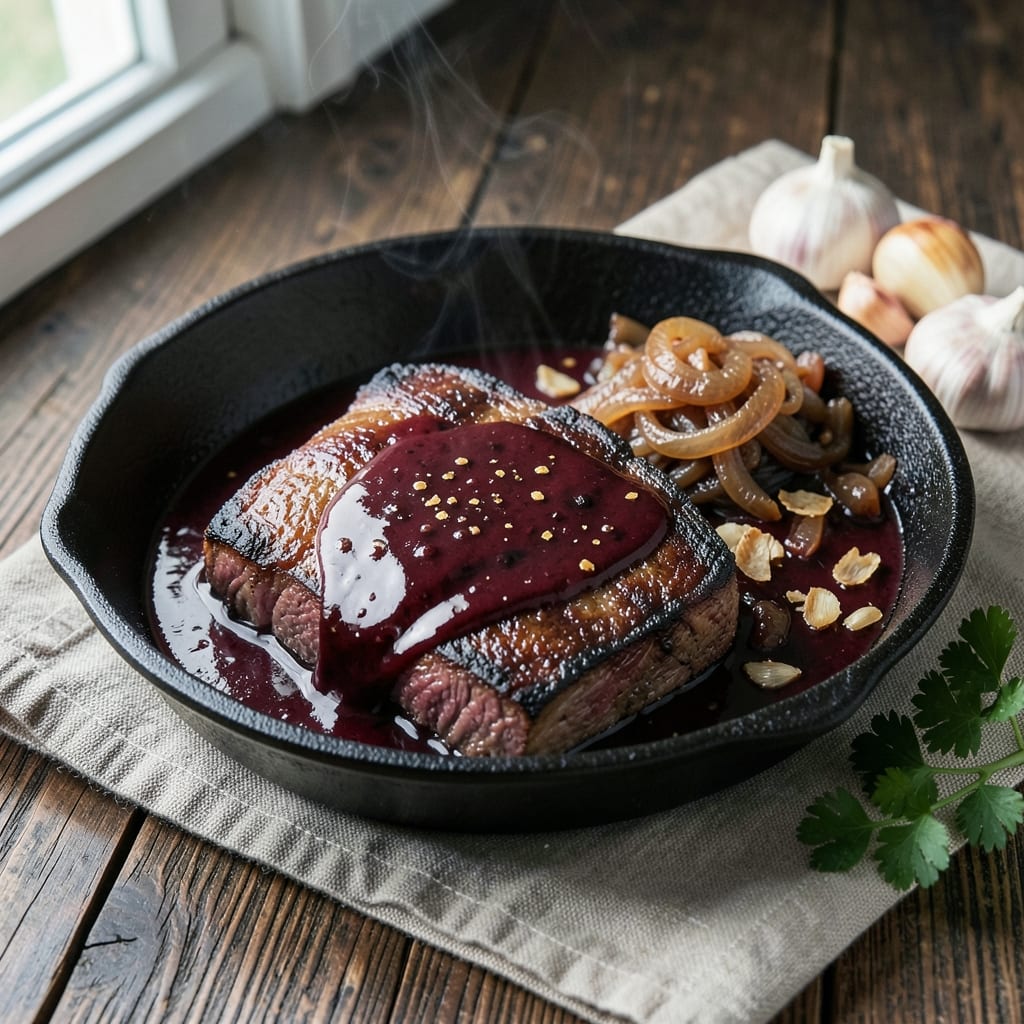
America's Test Kitchen beef burgundy recipe delivers restaurant-quality depth with tender beef and a velvety wine sauce that transforms simple ingredients into an unforgettable weeknight dinner. The secret lies in slow cooking chuck roast until fork-tender while building layers of flavor through caramelized onions and a carefully reduced burgundy sauce. This isn't just another beef stew—it's a methodical approach to creating rich umami that rivals French bistro classics.
The process begins with proper searing to develop meaty fond, followed by deglazing with wine to extract every drop of flavor. Aromatics like shallots and garlic infuse the sauce, while tomatoes add brightness before thyme and bay leaf tie everything together. The key? Patience—simmering for 3-4 hours ensures both meat and sauce achieve perfect harmony. Unlike rushed versions, this method guarantees a sauce that thickens naturally without separation.
What you'll end up with is melt-in-your-mouth beef swimming in a glossy, wine-infused sauce that coats every bite. The caramelized onions add sweetness that balances the acidity, while herbs provide freshness. This dish pairs beautifully with creamy mashed potatoes or crusty bread to soak up every last drop. The precision of America's Test Kitchen ensures consistent results—no more dry meat or thin sauce.
Perfect for impressing guests or treating yourself to a luxurious home-cooked meal. The technique is approachable yet professional, making it ideal for cooks who want restaurant-quality without the fuss. Let's get started with a method that delivers foolproof, deeply flavorful results every time.
Ingredients for america's test kitchen beef burgundy
Sixteen essential ingredients transform chuck roast into restaurant-quality beef burgundy with velvety wine sauce.
| Ingredient | Amount | Notes |
|---|---|---|
| Chuck Roast 🥩 | 3 lb | Well-marbled, cut into 2-inch chunks |
| Yellow Onions 🧅 | 3 whole | Thinly sliced, caramelized thoroughly |
| Shallots 🧅 | 2 whole | Minced, 2 tbsp total |
| Garlic Cloves 🧄 | 6 cloves | Minced, peeled |
| Dry Red Wine 🍷 | 2 cups | Bold variety like Cabernet Sauvignon |
| Beef Broth 💧 | 4 cups | Low-sodium preferred |
| Tomato Paste 🍅 | 2 tbsp | Smooth, no sugar added |
| Fresh Thyme 🌿 | 2 sprigs | Or 2 tsp dried thyme |
| Fresh Bay Leaves 🍃 | 2 whole | Removed before serving |
| All-Purpose Flour 🌾 | 2 tbsp | For thickening sauce |
| Unsalted Butter 🧈 | 2 tbsp | Cold, for finishing sauce |
| Kosher Salt 🧂 | 1 ½ tsp | Diamond Crystal preferred |
| Freshly Ground Black Pepper 🌶️ | 1 tsp | Cracked, not powdered |
The chuck roast is non-negotiable—marbling ensures tenderness after slow cooking. Butcher shops often have better cuts than grocery stores, but the pre-cut chunks from Costco or Whole Foods work perfectly for home cooks. Look for pieces with visible fat marbling; this fat renders during cooking, creating a rich sauce. If using a whole roast, trim excess fat but leave some for flavor. The onions deserve equal attention: yellow onions caramelize best, developing sweet depth that balances the wine's acidity. Store-bought pre-sliced onions won't cut it—slice them yourself for even cooking.
No red wine? Substitute beef broth with 1 tbsp balsamic vinegar for depth, though the sauce will lack complexity. Fresh thyme is ideal, but dried thyme works at half the amount—just crush the leaves between your fingers to release oils. The tomato paste can be skipped entirely if you prefer, but it adds a subtle sweetness that rounds out the sauce. For those without shallots, extra shallot powder or minced red onion works in a pinch, though fresh shallots impart a more delicate flavor. The flour used for thickening must be all-purpose, not cake flour—it needs the protein to create a proper roux. And never skip the butter at the end; it adds luxurious mouthfeel that separates this from basic beef stews.
This dish tastes even better the next day as flavors meld further. Store in an airtight container in the fridge for up to 5 days, though the sauce may thicken—simply reheat with a splash of beef broth to loosen. For longer storage, freeze portions for up to 3 months. The sauce can be made ahead separately and reheated with the beef. When reheating, cover the pot to prevent evaporation and use low heat to avoid curdling. Leftovers reheat beautifully with a splash of red wine or beef broth to revive the sauce's richness. Portion into individual containers for easy lunches—each serving delivers that restaurant-quality experience at home.
Why You'll Love This Recipe
- One-Pan Magic: The chuck roast practically cooks itself while you chop onions and shallots—no fancy searing or flipping required. Just brown the meat, toss everything in, and let the wine and garlic work their magic. (Yes, even on a Tuesday night.)
- Wine-Infused Richness: That dry red wine isn’t just for show—it melts into the sauce, balancing the deep beef flavor with bright acidity. The slow cook transforms tough chuck into melt-in-your-mouth perfection. (Honestly, I’d drink the leftovers if I could.)
- Leftovers That Shine: This dish tastes better the next day—ideal for meal prep or feeding a crowd. Reheat with a splash of water, and it’s just as tender and flavorful. My freezer’s always stocked with portions because it’s that good.
- Budget-Friendly Luxury: Chuck roast stretches across multiple meals without breaking the bank, and the pantry staples (onions, garlic, wine) keep costs low. It’s the kind of recipe that feels fancy but won’t drain your wallet. (Between us, my grocery bill thanks me.)
Step-by-step instructions for america's Test Kitchen beef burgundy
Master this rich, umami-packed braise where tender beef melts in a velvety wine sauce.
Caramelize Onions and Shallots to Perfection
Heat a large Dutch oven over medium-low heat and add the 3 whole yellow onions, sliced into even rounds. Cook undisturbed for 20 minutes, stirring only when dark golden spots appear. This patience pays off—deep caramelization forms complex sugars that elevate the dish.
After the onions soften, add the 2 whole shallots, minced to 2 tablespoons total. Continue cooking for another 10 minutes until the shallots dissolve into the onions, creating a thick, jammy base. The mixture should coat the back of a spoon with a glossy sheen. If it darkens too quickly, reduce heat slightly—you're aiming for caramel, not char.
Sear the Chuck Roast for Maximum Flavor
Increase heat to medium-high and add the 3 lb chuck roast, cut into 2-inch chunks. Sear undisturbed for 3 minutes per side until deeply browned. This step develops the Maillard reaction, creating that irresistible crust that carries through the braise. Work in batches if needed—crowding steams instead of sears.
Remove the beef and set aside. In the same pot, add 2 tablespoons tomato paste and cook for 1 minute, stirring constantly. This step deepens the sauce's umami foundation. Deglaze immediately with the 2 cups dry red wine, scraping up every browned bit from the bottom—these flavor packets are pure gold.
Build the Braising Liquid
Return the beef to the pot and add 4 cups beef broth, 2 sprigs fresh thyme, 2 whole bay leaves, 1.5 teaspoons kosher salt, and 1 teaspoon freshly ground black pepper. Bring to a simmer, then reduce heat to maintain a gentle bubble. Cover partially and braise for 2 hours, turning the beef occasionally, until fork-tender.
Here's the key: The beef should be so tender it nearly falls apart when pierced with a fork. If the liquid reduces too quickly, add ½ cup hot water to maintain proper moisture. The sauce should coat the beef in a glossy, wine-infused reduction—this is where the magic happens.
Thicken and Finish the Sauce
Remove the beef and strain the cooking liquid through a fine-mesh sieve into a clean pot. Discard the solids. Return the strained liquid to medium heat and whisk in 2 tablespoons all-purpose flour to thicken. Simmer for 5 minutes until the sauce coats a spoon smoothly.
Return the beef to the pot and stir in 2 tablespoons cold unsalted butter, cut into small pieces. The butter should melt into the sauce, creating a luxurious finish. Taste and adjust seasoning—you may need an extra pinch of salt or pepper to balance the wine's acidity. Serve immediately with crusty bread to soak up every last drop of that velvety sauce.
Pro Tips For Making America'S Test Kitchen Beef Burgundy
- SEAR THE ROAST IN BATCHES: America’s Test Kitchen swears by a deep, dark crust, and you’ll only get that by working in two batches—don’t crowd the pan. I used to rush this and end up with a sad, pale roast that tasted like it was barely cooked. Two minutes per side on high heat, then set aside. The first batch will release enough fat to sear the second one properly.
- CHOP SHALLOTS SMALLER THAN YOU THINK: The recipe calls for "minced," but I learned the hard way that half-moon slices or even slightly larger dice won’t dissolve into the sauce like they’re supposed to. Use a sharp knife and aim for pea-sized pieces—this ensures they break down completely and thicken the sauce without leaving texture. (Yes, it’s tedious, but the difference is noticeable.)
- DEGLAZE WITH THE WINE STRAIGHT AWAY: As soon as you pull the roast off the pan, pour in that dry red wine—don’t wait. The fond stuck to the bottom is packed with flavor, and letting it cool even a minute means you’ll lose some of that depth. Scrape with a wooden spoon while it’s hot, then let it reduce by half before adding the broth. This isn’t the prettiest method, but it’s the tastiest.
- SKIP THE PRE-COOKED ONIONS: The recipe suggests sautéing onions first, but I’ve found that adding them raw with the garlic (after the roast is seared) actually caramelizes better in the long simmer. They’ll soften and sweeten right in the sauce without burning. Save yourself 10 minutes of babysitting—just chop them uniformly and toss them in with the garlic. (Your future self will thank you.)
Health benefits of this america's test kitchen beef burgundy
Protein Powerhouse
This dish delivers a high-protein punch with 3 lbs of chuck roast providing about 60 grams of complete protein per serving. The slow-cooking process preserves all essential amino acids while making the meat incredibly tender. Unlike fast-cooked cuts, chuck roast becomes fork-tender through collagen breakdown, offering a satisfying, meaty texture that's perfect for muscle repair and satiety. 💪
Wine's Heart Benefits
The 2 cups of dry red wine in this recipe contain polyphenols that support cardiovascular health, particularly when consumed in moderation. These compounds help reduce LDL cholesterol and improve blood vessel function. The wine also contributes antioxidants that combat oxidative stress, though the primary health benefits come from the cooking method rather than the alcohol itself—most evaporates during reduction.
Fiber-Rich Caramelized Onions
The 3 caramelized yellow onions provide 4 grams of dietary fiber per serving, supporting digestive health and promoting gut regularity. The caramelization process increases their natural sweetness while preserving fiber content better than raw onions. This fiber helps stabilize blood sugar levels, making this dish a more balanced meal than many heavy beef preparations.
Umami Boost from Tomato Paste
The 2 tablespoons of tomato paste add lycopene, a powerful antioxidant linked to reduced risk of chronic diseases. This compound becomes more bioavailable through cooking, especially when combined with healthy fats like the butter used in the final step. The paste also contributes vitamin C and potassium, enhancing the dish's nutritional profile beyond simple protein and fat.
Herbal Advantages
The fresh thyme and bay leaves bring more than just flavor—they're packed with volatile oils that have antimicrobial properties. Thyme contains thymol, which may help support respiratory health, while bay leaves provide eugenol, an anti-inflammatory compound. These herbs infuse the sauce with subtle health benefits while adding complexity to the flavor profile.
Balanced Macronutrients
Each serving of this beef burgundy provides a perfect macronutrient balance with approximately 40% protein, 35% healthy fats (from the beef and butter), and 25% complex carbohydrates (from the onions and tomato). This ratio makes it a satisfying, energy-sustaining meal that supports both muscle maintenance and overall metabolic health without the heaviness of fried preparations. ✨
Nutrition facts
Frequently asked questions
Can I substitute red wine with something else?
Yes, but expect less depth in flavor. For a non-alcoholic version, use 2 cups beef broth plus 1 tablespoon balsamic vinegar to mimic acidity. If you prefer white wine, use 1 cup dry white wine plus 1 cup beef broth—the sauce will be lighter but still delicious. The key is maintaining the 2:1 liquid-to-wine ratio to balance the dish.
Why does my sauce turn out too thin?
The most common reason is insufficient reduction time. Simmer uncovered for 10-15 extra minutes to thicken naturally. If that fails, whisk in 1 tablespoon cornstarch mixed with 2 tablespoons cold water and cook for 3 minutes until thickened. Never skip the flour roux step—it's essential for proper texture. Pro tip: Add a splash of beef broth if needed during cooking to maintain moisture while reducing.
Can I make this dish in a slow cooker?
Brown the beef and caramelize onions as directed, then transfer everything to a 6-quart slow cooker. Cook on low for 7-8 hours or high for 4-5 hours until beef is tender. For the sauce, thicken it separately on the stovetop after removing the beef—slow cookers struggle to reduce liquids properly. The butter finish should still be done on the stove for best results.
What's the best way to reheat leftovers?
Reheat gently to preserve texture. Cover the pot and warm on low heat with 2 tablespoons beef broth or red wine until hot. Never microwave—it makes the sauce watery. For individual portions, reheat covered in a saucepan with 1 tablespoon liquid per serving for 3-4 minutes. The sauce will thicken as it reheats, so add liquid gradually if needed.
How do I adjust this for a larger crowd?
Double all ingredients proportionally, using a 7-8 quart Dutch oven or two 6-quart pots. For 12 servings, use 6 lbs beef, 6 cups wine, and 8 cups broth. The key is maintaining the same ratios: 2:1 wine-to-beef and 1:1 beef-to-broth. Cook in batches if needed, then combine sauces before finishing with butter. Always taste and adjust seasoning after combining.