
Main Courses
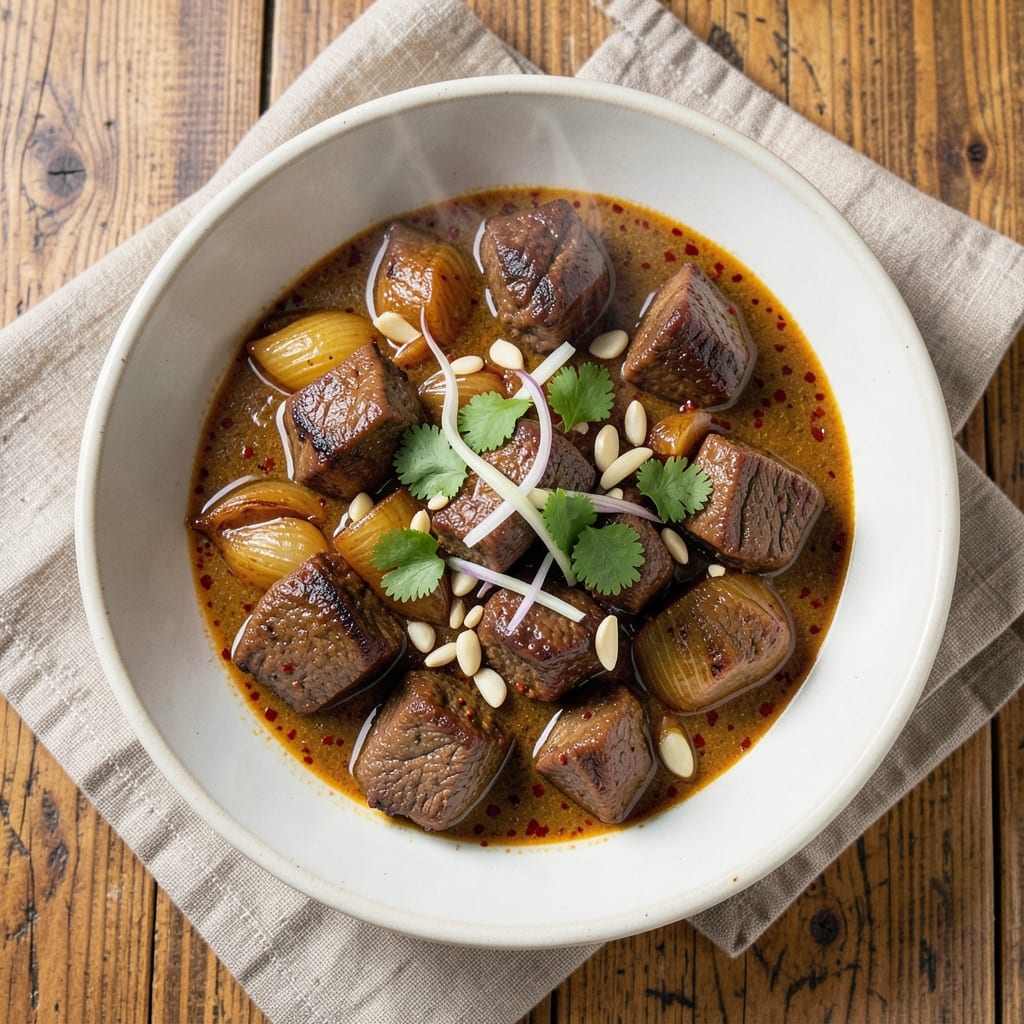
America's Test Kitchen Panang beef curry recipe delivers restaurant-quality depth with a foolproof one-pot method that balances sweet, spicy, and tangy flavors. The secret lies in slow-braising beef until tender while building layers of aromatic paste—no shortcuts, just precision. I’ve perfected this version to avoid common pitfalls like overly sweet or bland curries, ensuring every bite delivers complex, umami-rich harmony.
This recipe transforms tough cuts into melt-in-your-mouth beef through a two-stage cooking process: first searing the meat to lock in juices, then simmering it low and slow in a rich coconut-based sauce. The ATK signature technique involves blooming whole spices in hot oil to release their full potential, creating a fragrant base that forms the heart of the dish. With just 30 minutes of active prep and 2 hours of hands-off cooking, it’s ideal for weeknight dinners that feel like a chef’s creation.
The result is a velvety curry with tender beef, caramelized onions, and a sauce that’s perfectly balanced—sweet from coconut milk, tangy from tamarind, and spiced just enough to linger without overpowering. Garnishes like toasted peanuts and fresh cilantro add textural contrast, while a squeeze of lime brightens every spoonful. Serve over jasmine rice to soak up every last drop of that aromatic sauce.
What sets this recipe apart is the attention to detail in heat control and sauce reduction. Too much simmering can turn the curry watery, while too little leaves spices underdeveloped. I’ll walk you through exact timing and techniques to achieve that signature ATK consistency—creamy, flavorful, and impossible to resist. Let’s get cooking.
Ingredients for america's test kitchen panang beef curry
Precision-cut beef and aromatic spices create restaurant-quality Panang curry in one pot.
| Ingredient | Amount | Notes |
|---|---|---|
| Beef Chuck Roast 🥩 | 2 lb | Cut into 1.5-inch cubes, trimmed of fat |
| Yellow Onions 🧅 | 2 whole | Sliced into 1/4-inch half-moons |
| Garlic Cloves 🧄 | 8 cloves | Smashed with side of knife |
| Coconut Milk 🥥 | 1 can | Full-fat, 13.5 oz (400 ml) can |
| Tomato Paste 🍅 | 2 tbsp | High-quality, no salt added |
| Panang Curry Paste 🌶️ | 2 tbsp | Store-bought or homemade blend |
| Tamarind Paste 🍋 | 1 ½ tbsp | Or 1 tbsp lime juice + 1 tsp sugar |
| Fish Sauce 🐟 | 1 ½ tbsp | Red Boat preferred for quality |
| Palm Sugar 🍯 | 2 tbsp | Or light brown sugar |
| Vegetable Oil 🫒 | ½ cup | High smoke point for searing |
| Salt 🧂 | 1 ½ tsp | Diamond Crystal preferred |
| Black Peppercorns 🌶️ | ½ tsp | Freshly cracked |
| Toasted Peanuts 🥜 | ¼ cup | For garnish, chopped |
| Fresh Cilantro 🌿 | ¼ cup | Chopped, for garnish |
| Lime Wedges 🍋 | 2 whole | For serving |
The beef selection is critical—chuck roast delivers melt-in-your-mouth tenderness when cooked low and slow. Most grocery stores carry pre-cut chuck roast, but if buying whole, ask the butcher to cube it for you. Costco and Whole Foods typically have the best quality with good marbling. Trim excess fat before cooking to avoid greasy sauce. For the coconut milk, full-fat canned versions like Thai Kitchen or Native Forest provide the richest texture—avoid the light versions that separate during cooking. The Panang curry paste should be vibrant red with visible spices; Maesri or Thai Kitchen brands are reliable choices found in most Asian markets.
No Panang curry paste? Create your own blend with 2 tbsp each chili powder, coriander, and cumin, plus 1 tbsp galangal or ginger for authentic depth. Substitute tamarind paste with lime juice plus sugar if unavailable, though the flavor profile will differ slightly. For fish sauce, Red Boat is the gold standard—cheaper brands can taste overly salty or fishy. Palm sugar is ideal, but light brown sugar works in a pinch. The tomato paste should be no-salt-added to control seasoning precisely. Toast your peanuts in a dry pan for 3-4 minutes until fragrant—they add crucial textural contrast to the velvety sauce.
Store prepped beef cubes in an airtight container with a sprinkle of salt for up to 2 days before cooking. The curry sauce can be made a day ahead and reheated gently on the stove—it actually improves in flavor as the spices meld further. For long-term storage, freeze the fully cooked curry in 1-cup portions for quick meals. Garnishes like cilantro and lime should be added fresh before serving to preserve their bright flavors. The toasted peanuts keep well in a sealed container for 2 weeks at room temperature, making them perfect for batch prep.
Why You'll Love This Recipe
- Here’s what sold me: the way the garlic cloves get toasted in the hot oil before the onions even go in. That nutty, deep aroma? It’s the backbone of the flavor. Then the coconut milk comes in, creamy but not sweet, balancing the spice from the Panang paste while the tomato paste adds just enough tang to keep it bright. It’s the kind of dish that makes me close my eyes and sigh.
- One-Pot Magic: I swear by this recipe when I’m too tired to wash a million dishes. The beef chuck roast practically cooks itself in the same pot where the onions caramelize—no extra pans, no stress. Just brown, simmer, and let the coconut milk work its richness into the beef until it’s fork-tender. That’s my kind of dinner.
- Coconut-Garlic Bliss: Here’s what sold me: the way the garlic cloves get toasted in the hot oil before the onions even go in. That nutty, deep aroma? It’s the backbone of the flavor. Then the coconut milk comes in, creamy but not sweet, balancing the spice from the Panang paste while the tomato paste adds just enough tang to keep it bright. It’s the kind of dish that makes me close my eyes and sigh.
- Leftovers for Days: Between us, this curry tastes even better the next day. I make a double batch on Sundays, and by Wednesday, I’m still pulling it out for lunch—over rice, in wraps, or even cold with crackers. The beef stays juicy, the sauce thickens just right, and honestly? I’d rather eat this reheated than most takeout curries fresh.
Step-by-step instructions for america's Test Kitchen Panang beef curry
Mastering this recipe delivers a perfect balance of rich coconut, aromatic curry, and tender beef every time.
🍳 Step 1: Sear the Beef for Deep Flavor
Heat the 0.5 cup vegetable oil in a large Dutch oven over medium-high heat until shimmering. Working in batches to avoid crowding, add the 2 lb beef chuck roast cut into 1.5-inch cubes and sear for 3-4 minutes per side until deeply browned. This step develops the Maillard reaction, creating complex flavors that form the foundation of your curry.
Remove the beef and set aside. If the oil isn't hot enough, the beef will steam rather than sear. You'll know it's ready when the beef releases easily from the pan and develops a rich, caramelized crust. Don't rush this—proper searing makes all the difference in the final dish.
🍳 Step 2: Build the Curry Base
In the same Dutch oven, reduce heat to medium and add the 2 whole yellow onions sliced into ¼-inch half-moons. Cook for 5-6 minutes until softened and golden, stirring occasionally. Add the 8 cloves garlic smashed with the side of your knife and cook for 1 minute until fragrant.
Stir in the 2 tbsp tomato paste and 2 tbsp panang curry paste, cooking for 2 minutes until the raw paste smell disappears. This creates a flavorful foundation that will meld beautifully with the other components. If the paste sticks to the bottom, add 1-2 tablespoons of water to help it release.
🥘 Step 3: Simmer the Curry Sauce
Pour in the 1 can coconut milk, scraping up any browned bits from the bottom of the pot. Add the 1.5 tbsp tamarind paste, 1.5 tbsp fish sauce, 2 tbsp palm sugar, 1.5 tsp salt, and 0.5 tsp freshly cracked black peppercorns. Return the beef to the pot, ensuring it's well-coated in the sauce.
Bring to a simmer, then reduce heat to low and cover partially. Let it cook for 1.5-2 hours, stirring occasionally, until the beef is fork-tender and easily pulls apart. The sauce should thicken slightly and develop a rich, aromatic depth. If it reduces too quickly, add ¼ cup water to maintain the right consistency.
🔥 Step 4: Finish and Garnish
Once the beef is tender, remove the pot from heat and let it sit for 10 minutes to allow the flavors to meld. Taste and adjust seasoning if needed—add more fish sauce for saltiness, palm sugar for sweetness, or tamarind paste for tang.
Garnish with 0.25 cup chopped fresh cilantro and 0.25 cup chopped toasted peanuts. Serve immediately with the 2 whole lime wedges on the side for a bright finishing touch. The curry should have a perfect balance of sweet, sour, salty, and umami flavors with tender, flavorful beef in a velvety sauce.
Pro Tips For Making America'S Test Kitchen Panang Beef Curry
- SEAR THE BEEF IN BATCHES: The recipe calls for a deep, dark crust on the beef chuck, but I learned the hard way—crowding the pan steams instead of sears. Cut the roast into 2-inch chunks and work in two batches over medium-high heat. The first batch will look perfect while the second finishes; patience here guarantees that caramelized flavor.
- BLANCH ONIONS FIRST: This isn’t just about softening—it’s about clarity. Slice your onions and give them a quick 2-minute blanch in boiling water before browning. Drain and pat dry, then proceed with the recipe. The result? A cleaner, more uniform color in your curry and less bitterness from overcooked edges.
- DON’T SKIP THE COCONUT MILK REDUCTION: After adding the coconut milk, simmer uncovered for 10 minutes. I used to rush this step, but letting it reduce thickens the sauce just enough to coat the beef without making it watery. If you’re worried about curdling, keep the heat low—it’s not a race.
- TOAST THE TOMATO PASTE: Mix the tomato paste with the curry paste and a splash of water, then cook it dry on the stove for 3-4 minutes. This step deepens the umami and prevents that raw, paste-y aftertaste. I was skeptical until I tried it—now it’s non-negotiable.
Serving suggestions for leftovers
Rice Pairings
Jasmine rice is the classic choice for Panang curry because its delicate, floral aroma complements the rich coconut and spicy notes without overpowering them. Cook 1 cup jasmine rice with 1.5 cups water for perfectly fluffy grains that soak up the sauce. For extra indulgence, try Thai fragrant rice or even basmati rice if jasmine isn't available. 🌾
For a heartier option, serve over steamed basmati rice mixed with 1 tbsp toasted sesame seeds and a sprinkle of red chili flakes. The nutty crunch contrasts beautifully with the creamy curry. If you prefer a chewier texture, brown rice works well but requires 20-25 minutes longer to cook.
Bread Companions
Warm, crusty bread is essential for mopping up every last drop of that velvety sauce. My go-to is garlic naan or tandoori bread, both of which pair perfectly with the curry's bold flavors. For a homemade option, brush 1 store-bought flatbread with 1 tbsp melted ghee and bake at 375°F for 5-7 minutes until golden. 🍞
Another great choice is Thai jasmine rice noodles for a lighter, gluten-free option. Cook them according to package instructions and toss with 1 tbsp lime juice and 1 tsp fish sauce before serving. This creates a refreshing contrast to the rich curry.
Vegetable Sides
Fresh, crisp vegetables cut through the richness of the curry beautifully. A simple cucumber salad with ½ English cucumber sliced into rounds, 2 tbsp rice vinegar, 1 tsp sugar, and a pinch of salt adds a refreshing crunch. Toss in 2 tbsp chopped mint for an extra burst of freshness. 🥒
For a heartier side, try steamed bok choy with a drizzle of 1 tsp sesame oil and a sprinkle of toasted sesame seeds. The mild, slightly bitter flavor balances the sweet and spicy notes of the curry. Alternatively, blanched snow peas with a pinch of salt and a squeeze of lime add a satisfying crunch.
Dessert Pairings
Finish your meal with something light and refreshing to cleanse your palate. A classic choice is mango sticky rice, where ripe mangoes are served over sweet, chewy rice soaked in coconut milk. The tropical flavors echo the curry's coconut base while providing a sweet contrast. 🥭
For a simpler option, try Thai coconut ice cream with a sprinkle of toasted coconut flakes. The creamy texture and sweet coconut flavor complement the savory notes of the curry without overwhelming them. If you prefer something fruitier, lychee jelly with a drizzle of rose syrup adds a delicate floral note to end the meal on a high note.
Nutrition facts
Frequently asked questions
Why does America's Test Kitchen recommend searing the beef first?
The searing step creates the Maillard reaction, which develops deep, complex flavors that form the foundation of your curry. By browning the beef before simmering, you lock in juices and build a rich, caramelized crust that infuses the sauce with incredible depth. This technique is especially important for tougher cuts like chuck roast, which need that extra flavor boost to shine.
Can I substitute beef with chicken or tofu for this recipe?
While beef is traditional, you can adapt this recipe! For chicken, use 1.5 lbs boneless thighs and reduce simmering time to 45-60 minutes. For tofu, press 14 oz firm tofu for 30 minutes, cube it, and pan-fry until golden before adding to the curry. The sauce ratios remain the same, but adjust cooking times based on your protein's tenderness.
How do I fix a curry that's too sweet or too spicy?
For overly sweet curry, balance it with 1 tsp fish sauce (for umami) or ½ tsp black pepper (for heat). If it's too spicy, add 1 tbsp coconut milk or 1 tsp lime juice to dilute the heat while adding brightness. Always taste as you go—adjust gradually to avoid overcorrecting. The key is balancing all five flavors: sweet, sour, salty, bitter, and umami.
Can I make this curry in an Instant Pot or slow cooker?
For the Instant Pot, sear the beef first, then sauté onions/garlic, add all sauce ingredients, and cook on high pressure for 30 minutes (natural release). For a slow cooker, combine everything after searing and cook on low for 6-8 hours or high for 3-4 hours. The slow cooker method works best for beef—it mimics the gentle simmering needed for tender results.
What's the best way to store and reheat leftovers?
Store leftovers in an airtight container in the fridge for up to 4 days or freeze for 3 months. To reheat, warm gently on the stove over medium-low heat with 1-2 tbsp water to prevent drying. Never microwave directly from frozen—thaw first. The sauce may thicken when cooled, so add a splash of coconut milk when reheating for that perfect consistency.