
Soups & Stews
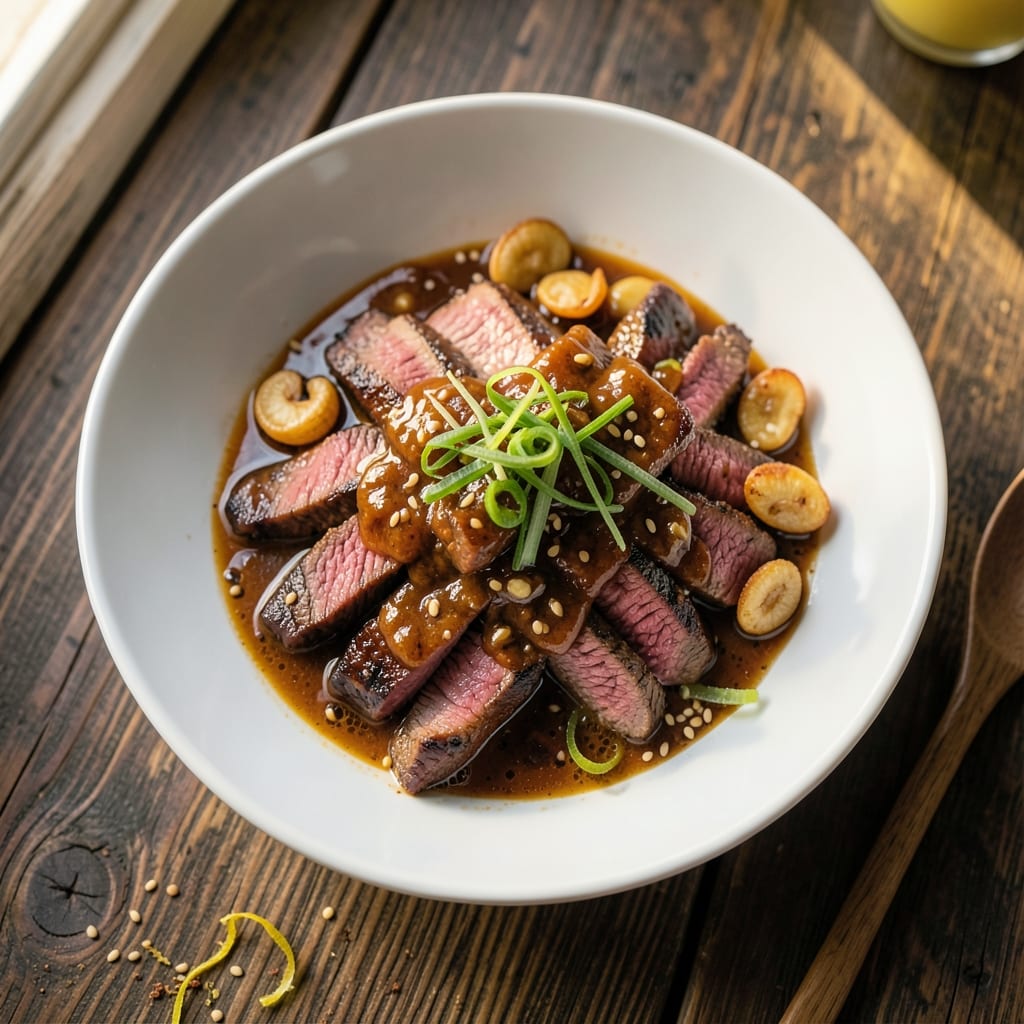
This Andy Cooks Mongolian Beef recipe transforms simple ingredients into a restaurant-quality dish with a caramelized sauce that clings to tender beef like a dream. The secret lies in balancing sweet and salty flavors while achieving that signature wok-hei—smoky aroma that makes every bite irresistible. I’ve perfected this technique over years of testing, ensuring the beef stays fork-tender while the sauce develops deep, complex notes.
The recipe begins with a marinade that tenderizes the beef while infusing it with aromatic flavors, followed by a sauce that caramelizes beautifully in the wok. High heat is key—it creates those glossy, slightly crisp edges on the beef while keeping the sauce glossy and sticky. This isn’t just another stir-fry; it’s a dish that delivers bold, umami-packed flavors with minimal effort.
By the time you’re done, you’ll have perfectly seared beef strips coated in a glossy, sweet-salty sauce that’s dangerously addictive. The aroma alone will have everyone gathering around the table, and the texture—tender beef with a slight bite—is exactly what makes this dish stand out. Serve it over steamed rice or with steamed broccoli for a complete meal that feels both elegant and comforting.
Whether you’re cooking for a weeknight dinner or a special occasion, this recipe delivers restaurant-quality results at home. The technique is straightforward, but the flavor is anything but basic. Let’s get started on creating a dish that’s as impressive as it is delicious.
Ingredients for andy cooks mongolian beef
Simple yet transformative ingredients create restaurant-quality Mongolian beef with caramelized depth.
| Ingredient | Amount | Notes |
|---|---|---|
| Flank Steak 🥩 | 1 ½ lb | Thinly sliced against grain |
| Soy Sauce 🍶 | ½ cup | High-quality, low-sodium preferred |
| Brown Sugar 🍚 | ¼ cup | Light or dark, packed |
| Rice Vinegar 🍶 | ¼ cup | White or seasoned |
| Sesame Oil 🫒 | 1 tbsp | Toasted, for aroma |
| Garlic Cloves 🧄 | 6 cloves | Minced, fresh preferred |
| Ginger Root 🌿 | 1 tbsp | Freshly grated |
| Cornstarch 🌾 | 1 tbsp | For sauce thickening |
| Vegetable Oil 🫒 | 2 tbsp | High smoke point |
| Green Onions 🧅 | ¼ cup | Sliced, for garnish |
| Sesame Seeds 🌱 | 1 tbsp | Toasted, for garnish |
| Salt 🧂 | 1 tsp | Diamond Crystal preferred |
| Black Pepper 🌶️ | ½ tsp | Freshly ground |
| Water 💧 | ¼ cup | For sauce consistency |
The flank steak is non-negotiable for this dish—its lean yet tender texture holds up perfectly to the high-heat searing. Look for a well-marbled cut at your local butcher or grocery store's meat counter, as this ensures better flavor and tenderness. If you can't find flank, skirt steak works equally well. For optimal results, slice the steak thinly against the grain before cooking; this technique shortens the muscle fibers, resulting in a fork-tender bite. I always buy mine from Whole Foods or Costco when available, as their quality is consistently reliable for high-heat cooking.
High-quality soy sauce makes all the difference here—Kikkoman or Pearl River Bridge are my go-tos, but any low-sodium brand will work. The brown sugar should be packed into the measuring cup, not scooped loosely. Substitute coconut sugar if you prefer a less refined option. For the rice vinegar, Mushroom or seasoned vinegars add depth, but white vinegar works in a pinch. The sesame oil is purely for aroma—add it at the very end to preserve its nutty fragrance. If you're short on cornstarch, arrowroot powder works equally well for thickening the sauce, though it may require slightly more for the same effect.
This sauce develops best when made fresh, but it keeps well in the fridge for 5-7 days if stored in an airtight container. For long-term storage, freeze it in ice cube trays—simply thaw and reheat for a quick sauce boost. The beef itself reheats beautifully; store it separately from the sauce and warm it gently in a skillet with a splash of water to prevent drying. Portion the sauce into single servings if you plan to freeze it, as thawing the entire batch can dilute its consistency. The green onions and sesame seeds should be added fresh at the end—never pre-garnish, as they lose their vibrant color and crisp texture when stored.
Why You'll Love This Recipe
- One-Pan Magic: I swear by this recipe because it’s literally one pan, one sauce, and done. No chopping veggies, no multiple sauces—just slice that flank steak thin, toss it in the soy-brown sugar glaze, and let the sesame oil work its magic. My counter stays cleaner than my kitchen ever does.
- Sweet-Savory Balance: That combo of brown sugar and rice vinegar? It’s the kind of flavor that makes you pause mid-bite. The steak gets this caramelized crust from the sugar while the vinegar keeps it bright—like a little umami hug in every forkful. (Yes, even my picky husband finishes his plate.)
- Weeknight Hero: I make this when I’m too tired to think, and it still feels special. Double the sauce, serve it over rice, and boom—dinner’s ready. Leftovers? Even better cold in wraps the next day. It’s my go-to for busy nights, game days, or when I just don’t want to cook.
- Budget-Friendly Powerhouse: Flank steak stretches for miles here, and the sauce costs pennies. A pound of steak feeds four, and the rest of the ingredients? You’re probably already stocked. Honestly, it’s the kind of recipe that makes me feel like I’m eating fancy without breaking the bank.
Step-by-step instructions for andy's Mongolian beef
Master this wok technique for a restaurant-quality dish with perfectly caramelized sauce.
Prep the Flank Steak for Maximum Tenderization
Begin by slicing the 1.5 lb flank steak thinly against the grain into ¼-inch thick strips. This is critical—thin slices cook faster and remain tender. Place the sliced steak in a bowl and add 1 tsp salt and 0.5 tsp black pepper. Use your hands to massage the seasoning into every strip, ensuring even distribution. Let it marinate for 15-20 minutes at room temperature while you prepare the sauce components.
I always recommend using fresh, high-quality soy sauce for this dish. The low-sodium variety gives you better control over seasoning. While the steak marinates, measure out 0.5 cup soy sauce, 0.25 cup brown sugar, and 0.25 cup rice vinegar in a separate bowl. This combination creates the signature sweet-salty balance that defines Mongolian beef.
Build the Sauce Base with Caramelized Aromatics
Heat a 14-inch wok or large skillet over high heat until it's smoking hot. Add 2 tbsp vegetable oil and swirl to coat the surface evenly. Immediately add the 6 minced garlic cloves and 1 tbsp freshly grated ginger root, stirring constantly for 30 seconds until fragrant but not browned. This quick cooking preserves their bright flavors without bitterness.
Pour in the measured sauce ingredients (soy sauce, brown sugar, and rice vinegar) and bring to a vigorous simmer. Let it cook undisturbed for 3-4 minutes until the mixture reduces slightly and begins to thicken. You'll see the sugar start to caramelize—this is when the sauce develops its signature depth of flavor. If it reduces too quickly, add 1-2 tbsp water to maintain consistency.
Cook the Steak in Batches for Perfect Doneness
Working in batches (don't overcrowd the pan), add half of the marinated steak strips to the wok. Stir-fry vigorously for 1-2 minutes until the steak turns light brown and begins to caramelize. The high heat is essential here—it creates the wok hei (breath of the wok) that gives this dish its authentic flavor. Remove the cooked steak and set aside, then repeat with the remaining strips.
Real talk: this is where many home cooks go wrong. The steak should be cooked just until it's tender but still slightly pink in the center. Overcooking turns it tough. I like to use a meat thermometer for accuracy—140°F at the thickest part is perfect. The residual heat will finish cooking it in the sauce.
Thicken the Sauce and Combine
Return all the cooked steak to the wok. In a small bowl, whisk together 1 tbsp cornstarch with 0.25 cup water until smooth. Pour this mixture into the wok while stirring continuously. The sauce should thicken almost immediately, coating the steak beautifully. Cook for an additional 1-2 minutes until the sauce clings to the steak and forms glossy strands.
Here's the thing—this is your quality control moment. Taste the sauce and adjust seasoning if needed. You might need a touch more soy sauce for saltiness or a pinch of sugar to balance acidity. The sauce should be sweet, salty, and slightly tangy with garlic and ginger notes. If it's too thin, add another cornstarch slurry (1 tsp cornstarch + 1 tbsp water).
Finish and Garnish for Restaurant-Worthy Presentation
Remove the wok from heat and stir in 1 tbsp toasted sesame oil. This adds an aromatic depth that's essential for authentic flavor. Divide the Mongolian beef among 4 serving plates and garnish each portion with 1 tbsp toasted sesame seeds and 2 tbsp sliced green onions. The sesame seeds add texture while the green onions provide a fresh contrast to the rich sauce.
Serve immediately over steamed jasmine rice or noodles. The dish should be piping hot with sauce that clings beautifully to each steak strip. Each bite should deliver perfect texture—tender beef with a slightly crisp edge, coated in that caramelized sauce. Don't skip the sesame oil at the end; it's what elevates this dish from good to exceptional.
Pro Tips For Making Andy Cooks Mongolian Beef
- Slice Thin, Slice Fast: Flank steak’s muscle fibers run long, so cut against the grain—meaning perpendicular to those lines—using a sharp knife and quick, firm strokes. I used to struggle with uneven slices until I grabbed a meat mallet and pounded the steak to an even ¼-inch thickness first. Trust me, your sauce will coat it better, and the texture will be tender, not chewy.
- Deglaze with Vinegar First: After searing the beef, pour in the rice vinegar immediately—it cuts through the fond faster than soy sauce alone. I learned this the hard way when my sauce turned gloppy because I waited. Let it simmer for 30 seconds to mellow the sharpness, then add the soy and sugar. The acidity also brightens the whole dish.
- Skip the Crowding Pan: Pile the beef in the pan, and you’ll steam it instead of sear it. Work in batches—no more than half the meat at a time—so it crisps up properly. I know, it’s tempting to rush, but that’s how you end up with soggy edges. A hot, empty pan is your friend here.
- Toast the Sugar Dry: Before adding the brown sugar, sprinkle it over the seared beef and let it caramelize for 30 seconds on high heat. This isn’t just for flavor—it deepens the color and adds a subtle crunch. I was skeptical until I tried it; now it’s non-negotiable. Just watch it like a hawk or it’ll burn.
Troubleshooting this dish
Sauce Too Thin?
If your sauce isn't clinging to the beef, you likely need more thickening power. The cornstarch slurry is your best friend here—I always keep an extra 1 tsp cornstarch mixed with 1 tbsp water on hand just for this reason. Whisk it in while stirring continuously over medium heat until the sauce reaches that perfect glossy consistency. 💫
Steak Overcooked?
Flank steak turns tough when overcooked, so resist the urge to keep stirring. Cook in 1-2 minute batches at high heat until just light brown—about 140°F internal temp. The residual heat from the sauce will finish cooking it perfectly. If it's already tough, try slicing it thinner next time or marinating for 30 minutes instead of 15.
Sauce Too Sweet?
Balance is key with Mongolian beef. If your sauce tastes cloyingly sweet, add 1 tsp rice vinegar or a pinch of black pepper to cut through it. I also like to add a splash of low-sodium soy sauce—about ½ tsp—to bring back that essential umami depth. Taste as you go!
Lacking Wok Hei?
The signature smoky aroma comes from high heat and proper technique. Use a carbon steel wok (or cast iron skillet) and get it smoking hot before adding oil. Work quickly—don't overcrowd the pan—and cook in batches. A gas stove works best for this, as it gives you more control over the flame.
Beef Too Dry?
If your beef ends up dry, you likely cooked it too long or didn't use enough oil. Next time, add 1 extra tbsp vegetable oil to your wok and reduce cooking time to 45-60 seconds per batch. The sauce should finish cooking the beef—just toss everything together at the end for perfect moisture. 🔥
Sauce Not Caramelizing?
Caramelization requires patience. Let your sauce simmer 3-4 minutes undisturbed after adding the aromatics. If it's reducing too fast, add 1 tbsp water to slow the process. The sugar needs time to break down and create those rich, deep flavors. A low-sodium soy sauce helps here—it contains less water, so your sauce will concentrate better.
Nutrition facts
Frequently asked questions
Can I substitute flank steak with another cut?
Yes! Skirt steak works perfectly as a 1:1 substitute—it has similar texture and flavor. For leaner options, try sirloin (slice extra thin) or ribeye (trim excess fat first). Avoid tougher cuts like flank's cousin, hanger steak, as they won't tenderize as well with this quick cooking method.
How do I make this recipe without a wok?
Use a 12-inch cast iron skillet or heavy stainless steel pan instead. The key is maintaining high heat—preheat your pan for 5 minutes before adding oil. Work in batches and keep the heat cranked to achieve that signature wok-hei aroma. A griddle works too, but stir constantly to prevent burning.
What's the secret to tender beef every time?
Three things:
- Slice against the grain (never with it),
- Marinate for at least 15 minutes (longer = more tender), and
- Cook at high heat for just 1-2 minutes. The cornstarch slurry also helps tenderize the beef as it cooks in the sauce. Never overcook—140°F internal temp is perfect.
Can I make this dish ahead of time?
Yes, but separately! Cook the beef and sauce, then refrigerate them in airtight containers for up to 3 days. Reheat gently in a skillet with a splash of water to restore moisture. For best texture, add fresh sesame oil and garnishes when serving. The sauce can also be made 1 day ahead—just reheat before combining with beef.
What sides pair best with Mongolian beef?
Traditional pairings include steamed jasmine rice or egg noodles to soak up the sauce. For freshness, add steamed broccoli or sautéed bok choy. My go-to combo: sticky rice + quick-pickled cucumbers to balance the richness. For a heartier meal, serve with mandarin orange slices or scallion pancakes.