
Main Courses
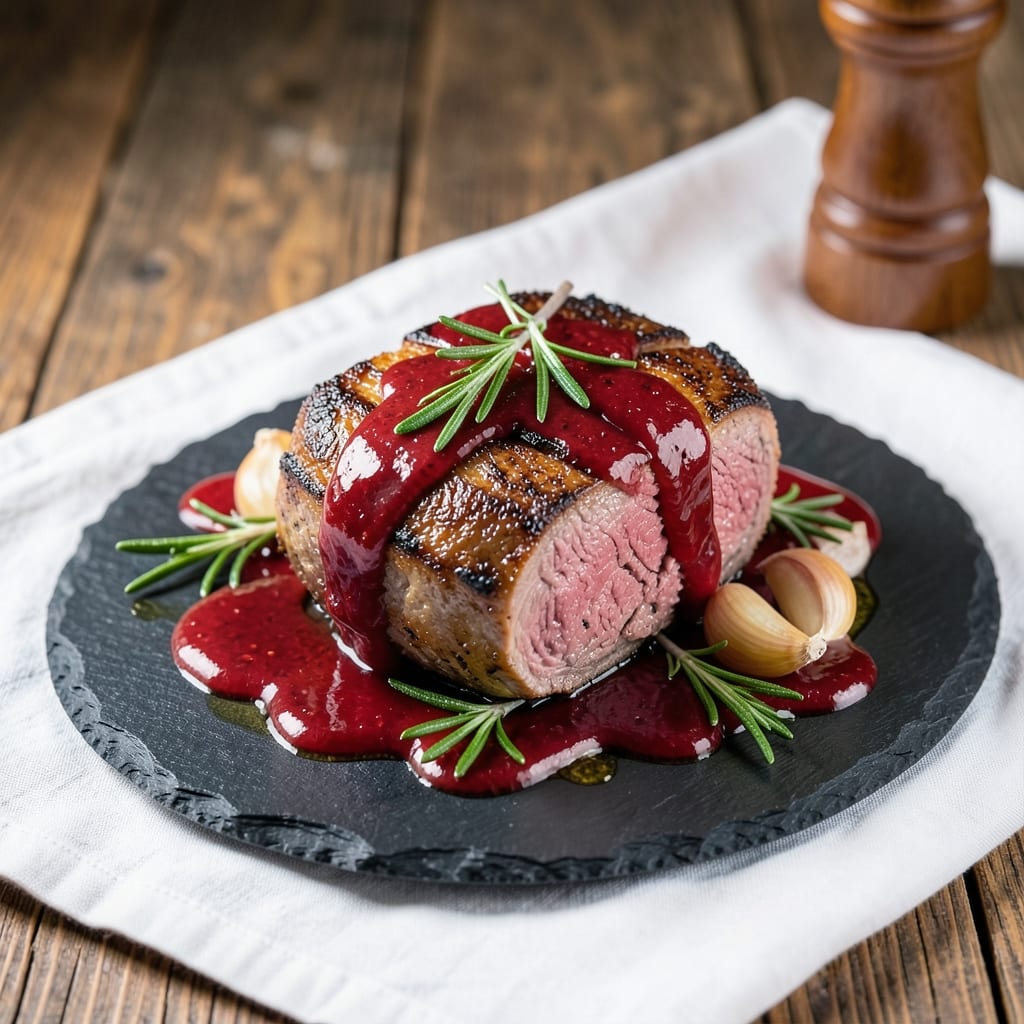
This arts Italian roast beef recipe delivers the perfect balance of a crispy, caramelized crust and a juicy pink center—just like the legendary cuts from Italian trattorias. The secret lies in slow-roasting with aromatic herbs, white wine, and a touch of honey for depth, ensuring every slice is tender yet flavorful. This technique transforms tougher cuts into melt-in-your-mouth perfection, making it ideal for special occasions or family dinners.
What sets this recipe apart is the two-step roasting method: starting at high heat to sear the exterior, then slowing to 130°F internal temperature for that signature pink center. The crust develops a rich, golden bark from rosemary, garlic, and butter, while the interior remains succulent. Traditional Italian sides like polenta or roasted vegetables complement the dish beautifully, completing the meal with rustic elegance.
By the time you slice into this roast, you’ll uncover layers of herbaceous, wine-infused richness with a hint of sweetness from the honey. The beef’s natural juices stay locked in, ensuring every bite is moist and flavorful. This method is foolproof—even for those new to roasting—while still delivering restaurant-quality results at home.
The final touch? A quick pan sauce made from the roasting juices, reduced with white wine and lemon, adding a glossy finish that ties everything together. Serve with crusty bread to soak up every last drop—this is Italian comfort food at its finest.
Ingredients for arts italian roast beef
Six ingredients transform a simple roast into legendary Italian perfection—crispy crust, juicy pink center, and flavors that’ll have everyone asking for seconds.
| Ingredient | Amount | Notes |
|---|---|---|
| Italian Roast Beef (Top Round or Sirloin Tip) 🥩 | 4 lb | Center-cut for even cooking |
| Fresh Rosemary 🌿 | ¼ cup | Finely chopped, stems removed |
| Garlic Cloves 🧄 | 8 cloves | Peeled, smashed slightly |
| Dry White Wine 🍷 | ½ cup | Pinot Grigio or Sauvignon Blanc |
| Extra-Virgin Olive Oil 🫒 | ¼ cup | For basting and crust |
| Kosher Salt 🧂 | 2 tsp | Diamond Crystal preferred |
| Freshly Ground Black Pepper 🌶️ | 1 tsp | Coarse grind for texture |
| Unsalted Butter 🧈 | ½ cup | Cold, cubed for crust |
| Fresh Thyme Leaves 🌿 | ¼ cup | Or 1 tbsp dried thyme |
| Beef Broth 💧 | ½ cup | Low-sodium preferred |
| Honey 🍯 | 1 tbsp | For glaze finish |
| Fresh Lemon Juice 🍋 | 1 tbsp | Brightens flavors |
| Flour 🌾 | 1 tbsp | All-purpose, for crust |
The beef is everything here—top round or sirloin tip gives that perfect balance of tenderness and flavor. Whole Foods or local butchers often carry these cuts, but don’t stress if you grab sirloin instead. Look for good marbling and ask for center-cut pieces for even cooking. Fresh rosemary and thyme? Trader Joe’s has the best selection—bright green and fragrant. The white wine should be dry (no sweet Riesling), and Pinot Grigio is my go-to. If you’re feeling fancy, grab a bottle of Italian white from the wine shop—it’ll elevate everything.
No white wine? Dry vermouth or extra beef broth works in a pinch. Fresh herbs wilt fast, so buy just enough for this recipe—use within 2 days. The butter needs to be cold for that perfect crust, so pull it out 30 minutes before roasting. For the crust, you can skip the flour if you’re in a hurry, but trust me—it’s worth the extra minute. The honey glaze? Local honey adds a subtle floral note, but any kind works. And if you’re feeding a crowd, double the recipe—this roast scales beautifully without losing quality.
This roast tastes even better the next day, so plan ahead. Wrap it tightly in foil and refrigerate for up to 3 days. For leftovers, slice thinly and reheat in a 350°F oven for 15 minutes—the crust will crisp right up. I always make extra because it disappears fast. Store any unused herbs in a damp paper towel in a bag—they’ll stay fresh for another week. And save that wine bottle—it’s perfect for drinking while you cook.
Why You'll Love This Recipe
- I’ll be real: this takes less than 30 minutes, uses ingredients I already have, and feeds four without breaking the bank. The wine deglazes the pan while you’re chopping veggies, and the beef cooks hands-off. That’s my definition of a stress-free meal.
- One-Pan Magic: I swear by this recipe when I’m too tired to scrub pots—just slice the beef, toss it with rosemary and garlic, and let the wine and olive oil work their magic in one pan. The crust gets caramelized while the center stays tender, and honestly? That’s my kind of dinner.
- Herb-Crusted Perfection: Between us, the rosemary and garlic here aren’t just garnish—they’re the stars. The moment the beef hits the pan, that aromatic steam fills the kitchen, and the crust? It’s got this crispy, savory bite that makes every slice worth it. (Yes, even on a Tuesday night.)
- Leftovers That Don’t Suck: This recipe actually improves the next day. Shred it for sandwiches, toss it into pasta, or just reheat slices with a sprinkle of salt—it’s that good. My freezer’s always stocked with portions because I refuse to waste beef this flavorful.
Step-by-step instructions for Italian roast beef with perfect crust and pink center
Here's how to achieve that signature Italian roast beef experience—crispy crust, tender meat, and a juicy pink center.
Prepare the Roast with Herb Crust
Preheat your oven to 425°F. Pat the 4 lb Italian roast beef dry with paper towels, then rub it generously with 2 tsp kosher salt and 1 tsp freshly ground black pepper on all sides. This drying step is crucial—it helps create that signature crispy crust we're after.
In a small bowl, combine the 0.25 cup fresh rosemary, 0.25 cup fresh thyme leaves, 8 smashed garlic cloves, and 1 tbsp flour. Press this herb mixture firmly onto the surface of the roast, covering it completely. The flour helps create that golden crust while the herbs infuse flavor throughout the meat.
Place the roast on a rack set inside a roasting pan. This allows heat to circulate evenly around the meat, preventing steam buildup that could make the crust soggy. Let it sit at room temperature for 30 minutes before roasting—this ensures even cooking from edge to center.
Sear and Baste for Maximum Flavor
Heat 0.25 cup extra-virgin olive oil in a large oven-safe skillet over medium-high heat until shimmering. Carefully transfer the roast to the skillet and sear it on all sides for 2-3 minutes per side until you see a deep golden-brown crust forming. This step locks in juices and creates that signature crust.
Transfer the skillet with the roast to your preheated oven. Immediately pour 0.5 cup dry white wine around the roast in the pan. The wine will bubble and reduce slightly, adding depth of flavor to the pan drippings. Roast for 30 minutes, then baste the roast with the pan juices using a spoon.
After basting, return the roast to the oven and continue roasting for another 30 minutes. This two-stage approach helps build layers of flavor while keeping the meat tender. The key is patience—don't rush this step or you'll end up with a dry roast.
Add Butter and Broth for Moisture
After the second 30-minute roasting period, remove the roast from the oven and increase the temperature to 400°F. Add 0.5 cup cold cubed butter and 0.5 cup beef broth to the pan. The butter will melt and baste the roast, while the broth adds moisture to prevent drying.
Return the roast to the oven and continue cooking for 1 hour. During this time, baste the roast every 15 minutes with the pan juices. This frequent basting ensures a moist interior while maintaining that crispy exterior. The roast should reach an internal temperature of about 130°F at this stage—this is the point where it's still pink in the center but ready for the final resting phase.
Glaze and Rest for Juicy Perfection
When the roast reaches 130°F, remove it from the oven and tent loosely with foil. In a small bowl, combine 1 tbsp honey and 1 tbsp fresh lemon juice. Brush this glaze generously over the surface of the roast, focusing on the crust. Return the roast to the oven and cook for an additional 15-20 minutes until the internal temperature reaches 135°F.
This glaze step is what gives the roast that signature caramelized finish while keeping the center juicy. The honey adds a subtle sweetness that balances the savory herbs, while the lemon juice brightens the overall flavor profile. The roast should be pink in the center with a deep golden-brown crust.
Transfer the roast to a cutting board and let it rest for 15-20 minutes before slicing. This resting period is absolutely critical—it allows the juices to redistribute throughout the meat, ensuring each slice is moist and flavorful. Don't skip this step, even though it's tempting to cut into the roast immediately.
Slice and Serve with Pan Sauce
Slice the roast against the grain into ¼-inch thick slices. The grain runs lengthwise, so you'll need to adjust your slicing angle slightly as you work your way through the roast. Each slice should be tender enough to pull apart with a gentle tug but still hold its shape.
For the pan sauce, place the roasting pan over medium heat and scrape up all the browned bits from the bottom with a wooden spoon. Add 0.25 cup extra-virgin olive oil if needed to help loosen the fond. Simmer for 2-3 minutes until the sauce thickens slightly. Taste and adjust seasoning with additional kosher salt and black pepper if needed.
Serve the sliced roast with the pan sauce spooned over the top. The combination of the crispy crust, tender meat, and rich pan sauce makes this Italian roast beef a showstopper for any meal. Pair it with roasted vegetables or a simple green salad to complete the dish.
Pro Tips For Making Arts Italian Roast Beef
- USE A MEAT THERMOMETER: The recipe might call for "medium rare," but guesswork leads to dry beef. Top round and sirloin tip hide moisture—pull the roast when it hits 125°F (52°C) internal temp (it’ll rise to 130°F as it rests). I learned this the hard way after slicing into a tough slab that needed another 10 minutes.
- SMASH THE GARLIC: Whole cloves? Skip it. Mince the garlic finely and press it into the meat with your fingers—no knife needed. This releases more flavor directly into the beef. I used to just chop it, and the aroma was half as strong. (Yes, even if you’re impatient like me.)
- DEGLAZE WITH WINE AFTER SEARING: Don’t pour the wine in too early—wait until the beef has a deep brown crust. The caramelized bits in the pan dissolve into the wine, making the sauce richer. I skipped this once and ended up with a pale, thin sauce that tasted like it was missing something.
- REST UNDER FOIL: After roasting, tent the beef with foil for 10–15 minutes before slicing. This keeps it juicy while it rests—no need to stress over timing. I used to skip this, and the first few slices were always dry. (Your future self will thank you.)
Storing and reheating your arts italian roast beef
Refrigerator Storage
Store your Italian roast beef in an airtight container or wrapped tightly in plastic wrap and foil after it cools to room temperature. The roast stays fresh in the fridge for up to 3 days—the flavors actually deepen overnight as the herbs meld. I like to slice a portion and store it separately for quick sandwiches. 🥩
Freezer Prep Tips
For longer storage, freeze the roast in a single layer before transferring to a freezer bag to prevent freezer burn. Label with the date—it keeps for up to 3 months. When reheating, thaw overnight in the fridge for best texture. Never microwave directly from frozen, as it can make the meat tough. ❄️
Oven Reheating
Preheat your oven to 350°F and place sliced roast beef on a baking sheet. Cover loosely with foil and reheat for 15-20 minutes until warmed through. The crust will crisp right up, just like fresh. For extra moisture, add 1 tbsp beef broth to the pan before reheating. 🔥
Pan Sauce Revival
Save any leftover pan drippings in a small airtight container in the fridge. To revive the sauce, heat it in a skillet over medium heat for 3-4 minutes, adding 1 tbsp water or broth if needed. Deglaze with a splash of white wine for extra depth. This works perfectly on reheated slices! 🍷
Leftovers Reinvention
Transform leftover roast beef into Italian beef sandwiches with provolone cheese and garlic bread. Or shred it for beefy risotto—just toss in with arborio rice and chicken broth. The honey glaze adds a sweet contrast to these new dishes. 💡
Herb Freshness
Store any unused fresh rosemary and thyme in a damp paper towel inside a resealable bag in the fridge. They’ll stay vibrant for another 5-7 days. For dried herbs, keep them in a cool, dark cabinet—they’ll last months but lose potency over time. 🌿
Nutrition facts
Frequently asked questions
What's the best cut of beef for this Italian roast?
For this recipe, top round or sirloin tip works best—they're flavorful yet lean enough to stay tender when roasted. Look for center-cut pieces at your butcher for even cooking. If those aren't available, chuck roast (for heartier texture) or ribeye roast (for richer flavor) can work too.
Can I make this roast ahead of time?
This roast tastes even better the next day. Cook it fully, then refrigerate wrapped tightly in foil for up to 3 days. Reheat slices in a 350°F oven for 15 minutes—the crust will crisp right up. The flavors actually deepen as the herbs meld overnight.
What's the secret to the perfect crust?
The crust comes from three key steps: drying the beef thoroughly before seasoning, pressing the herb-flour mixture firmly onto the surface, and basting frequently with butter and wine. The 425°F initial sear is also critical—it locks in juices while creating that golden-brown crust.
How do I know when it's done?
Use a meat thermometer! Remove the roast when it reaches 130°F (for medium-rare/pink center), then let it rest for 15-20 minutes before slicing. The internal temp will rise to 135°F during resting—this is perfect. Never cut into it too early or you'll lose precious juices.
What if I don't have white wine?
No problem! Use dry vermouth (same flavor profile) or substitute with extra beef broth. For depth, add 1 tsp balsamic vinegar to the pan drippings. The wine mainly adds acidity and complexity—broth will still give you rich flavor.