
Soups & Stews
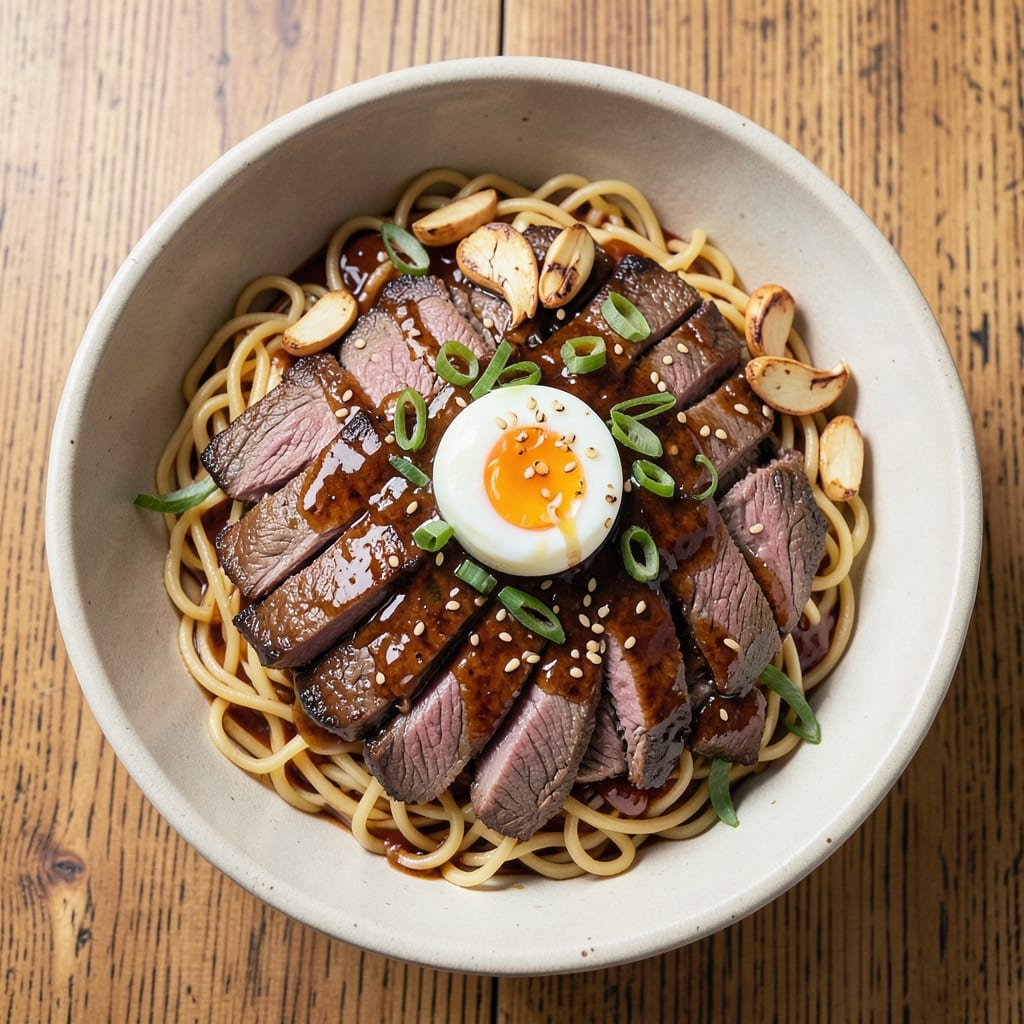
This Asian beef noodle bowl recipe delivers the perfect balance of tender beef, silky noodles, and a rich, umami-packed sauce—all in under 30 minutes. The secret lies in marinating the beef with soy sauce and ginger for deep flavor, then stir-frying it to achieve that signature caramelized crust. Every bite combines perfectly cooked noodles, savory beef, and a sauce that’s both tangy and slightly sweet, making it a weeknight favorite that feels like a restaurant dish.
What sets this recipe apart is the foolproof technique for achieving restaurant-quality results at home. We start with thinly sliced beef that cooks quickly over high heat, ensuring it stays tender while developing that irresistible crust. The noodles are pre-cooked just until al dente, then tossed in the sauce to absorb all the flavors without becoming mushy. Garnishes like green onions, sesame seeds, and a drizzle of spicy mayo add freshness and texture, elevating the dish to something truly special.
The result is a harmonious bowl where each component—beef, noodles, sauce, and garnishes—works together seamlessly. The beef is tender yet flavorful, the noodles are silky and perfectly cooked, and the sauce ties everything together with its perfect balance of tang and sweetness. This recipe is designed to be both approachable for beginners and impressive enough for dinner guests, making it a go-to for any night of the week.
Whether you're serving this as a quick weeknight meal or a weekend feast, the versatility of this dish shines. You can customize it with your favorite vegetables, swap in different noodles, or adjust the spice level to suit your taste. The instructions are clear and straightforward, ensuring you’ll achieve restaurant-quality results every time. Let’s get started!
Ingredients for asian beef noodle bowl
Here’s what you’ll need to craft restaurant-quality Asian beef noodle bowls at home.
| Ingredient | Amount | Notes |
|---|---|---|
| Flank Steak 🥩 | 1 lb | Thinly sliced against grain |
| Egg Noodles 🍜 | 8 oz | Fresh or dried, al dente preferred |
| Low-Sodium Soy Sauce 🥄 | ⅓ cup | For marinating and sauce |
| Sesame Oil 🫒 | 1 tbsp | Toasted for aroma |
| Fresh Ginger 🧄 | 2 tbsp | Finely grated, peeled |
| Garlic Cloves 🧄 | 4 cloves | Minced, fresh preferred |
| Honey 🍯 | 2 tbsp | For sweet-tangy balance |
| Rice Vinegar 🍶 | 2 tbsp | For tangy brightness |
| Vegetable Oil 🫒 | 2 tbsp | High smoke point |
| Green Onions 🧅 | ¼ cup | Sliced, white and green parts |
| Sesame Seeds 🌾 | 1 tbsp | Toasted for crunch |
| Spicy Mayo 🍯 | ¼ cup | Store-bought or homemade |
| Diamond Crystal Kosher Salt 🧂 | 1 ½ tsp | For seasoning |
| Ground Black Pepper 🌶️ | ½ tsp | Freshly ground |
The flank steak is non-negotiable—it’s lean, tender when sliced thin, and develops that perfect caramelized crust. Look for USDA Choice or Prime at Whole Foods or your local butcher; avoid pre-sliced packages that dry out fast. Slice it against the grain (about ¼-inch thick) and marinate for at least 30 minutes. The egg noodles should be fresh if possible—Trader Joe’s carries great ones, or use dried like Martini brand. For the sauce, low-sodium soy sauce is key—it won’t overpower the dish. If you can’t find it, rinse regular soy sauce to reduce salt.
No sesame oil? Toasted peanut oil works in a pinch, but it’ll lack that nutty aroma. Fresh ginger and garlic are worth hunting down—dried spices just can’t replicate the punch. The honey and rice vinegar balance is critical; if you prefer less sweetness, reduce honey to 1 tbsp and add ½ tsp sugar. For the spicy mayo, Sriracha mixed with mayo is foolproof. The green onions add freshness—use the white parts for cooking, save the greens for garnish. Swap sesame seeds for crushed peanuts if you’re out, but toast them first for crunch.
Prep ahead to save time: Marinate the beef and chop all veggies in advance. Store the sauce components separately in the fridge for up to 5 days, or freeze the sauce for 3 months. The noodles cook in 3 minutes—don’t overdo it, or they’ll turn mushy. Reheat beef gently in a skillet with a splash of water to keep it moist. Garnishes like sesame seeds and green onions stay fresh for 1 week in the fridge if stored in airtight containers.
Why You'll Love This Recipe
- Steak in Minutes: The flank steak slices in half the time of a full cut—just quick sear and shred. No fancy knife skills needed, either; I use a sharp cleaver and let the heat do the work.
- Umami Bomb: That low-sodium soy sauce and sesame oil combo? It’s the secret weapon. The ginger adds a bright kick, but the real magic happens when the noodles soak up the savory sauce—every bite’s a little flavor explosion.
- Lunchbox Hero: Between us, this is my go-to for meal prep. Toss the steak and noodles in containers, and they stay fresh for days. Honestly, I’ve eaten this cold from the fridge—it’s still solid.
- Budget Powerhouse: Flank steak stretches further than you’d think, and egg noodles? Cheap as chips. I make this for four for under $15, and somehow, it always disappears before the second round. (Yes, even on a Tuesday night.)
Step-by-step instructions for Asian beef noodle bowl
Here's how to create a restaurant-quality stir-fry with tender beef and silky noodles.
Marinate and Slice the Flank Steak
Slice the 1 lb flank steak thinly against the grain into ¼-inch thick strips. Place them in a bowl and add ⅓ cup low-sodium soy sauce, 2 tablespoons honey, 2 tablespoons rice vinegar, 1.5 teaspoons Diamond Crystal kosher salt, and 0.5 teaspoon ground black pepper. Mix gently to coat evenly. Let it marinate for at least 30 minutes (or up to 2 hours in the fridge) - this ensures maximum tenderness and flavor penetration.
I like to press the marinade into the meat with my fingers to guarantee even distribution. The acidity from the vinegar helps break down the muscle fibers, while the honey adds a subtle sweetness that balances the umami from the soy sauce. Don't skip this step - it makes all the difference in the final texture.
Prepare the Noodles and Sauce Base
Cook the 8 oz egg noodles according to package instructions until al dente (usually 4-5 minutes). Drain and rinse briefly under cold water to stop the cooking process, then toss with 1 tablespoon toasted sesame oil to prevent sticking. Set aside while you prepare the stir-fry sauce.
In a small bowl, whisk together 2 tablespoons vegetable oil, 2 tablespoons finely grated fresh ginger, and 4 minced garlic cloves. This aromatic base forms the flavor foundation of your dish. Let it sit for 5 minutes at room temperature - this allows the ginger and garlic to release their oils and intensify their flavor before cooking.
Stir-Fry the Beef to Perfection
Heat a large skillet or wok over high heat until it's smoking hot. Add the beef in a single layer and let it sear undisturbed for 2-3 minutes until it develops a deep golden crust. This initial sear locks in juices and creates that beautiful caramelized flavor.
Stir the beef occasionally for 3-4 minutes total until it's 80% cooked through but still slightly pink in the center. You want it tender but not fully done - it'll finish cooking when combined with the hot noodles. Remove the beef from the skillet and set aside on a plate.
Build the Flavorful Sauce
In the same skillet (no need to clean it - those flavorful bits matter), add the ginger-garlic oil mixture and stir for 30 seconds until fragrant. Pour in ⅓ cup low-sodium soy sauce and 2 tablespoons rice vinegar, scraping up any browned bits from the bottom of the pan. This deglazing step captures all that delicious flavor.
Add the cooked noodles to the skillet and toss everything together for 1-2 minutes until the noodles are heated through and coated with the sauce. The residual heat from the pan will finish cooking the beef perfectly. Stir in 0.25 cup sliced green onions and 1 tablespoon toasted sesame seeds for freshness and texture.
Assemble and Finish with Spicy Mayo
Divide the noodle mixture among 4 bowls. Top each serving with 0.25 cup spicy mayo - I like to drizzle it artistically for both visual appeal and flavor contrast. The spicy mayo adds a creamy, slightly tangy element that cuts through the richness of the beef and noodles.
Garnish with additional green onions and sesame seeds if desired. Serve immediately while everything is hot and the noodles are still silky. The combination of tender beef, chewy noodles, and complex sauce flavors creates a truly satisfying bowl that balances sweet, salty, tangy, and spicy elements perfectly.
Pro Tips For Making Asian Beef Noodle Bowl
- Slice Against the Grain: Flank steak’s stubborn fibers need a knife, not a fork. Cut it thin (about ¼-inch) across the grain before cooking—this makes every bite tender, not chewy. I used to skip this, and the texture was a letdown every time.
- Salt the Steak First: Season the flank steak generously with salt and let it sit for 20 minutes before cooking. This keeps the meat juicy and lets the soy sauce cling better later. I learned this the hard way—dry, tough slices when I rushed.
- Don’t Overcrowd the Pan: Cook the sliced beef in batches if needed—overloading steams instead of sears, leaving you with soggy noodles. A hot, dry pan with just the meat (no noodles yet) gives those slices the crust they need.
- Use Cold Noodles for Crisp: Toss the cooked egg noodles in cold water for 30 seconds before draining. The shock makes them hold up better in the bowl and adds a slight bite. Sounds weird, but it works—no more mushy noodles drowning in sauce.
Make-ahead tips for leftovers
Marinate Ahead
Prep the beef marinade the night before and store it in an airtight container in the fridge. The acidity in the rice vinegar and soy sauce will tenderize the meat beautifully overnight. I like to use a ziplock bag for easy storage—just press out all the air before sealing. This hands-off step saves you 30 minutes of active prep time the next day. 💫
Noodle Prep
Cook the noodles just before assembling the bowls to prevent them from becoming soggy. Store the cooked noodles in a sealed container with a damp paper towel to maintain moisture. They’ll stay fresh for up to 24 hours in the fridge. When reheating, add a splash of water and cover the pot to steam them back to al dente perfection.
Sauce Components
Break down the sauce into its components and store them separately. The ginger-garlic oil can be refrigerated for 5 days, while the soy sauce and vinegar mixture stays fresh for 1 week. When ready to cook, simply combine them in the skillet—no measuring required. This modular approach makes customizing flavors a breeze. 🌶️
Beef Pre-Cooking
For a shortcut, par-cook the beef in the microwave for 2-3 minutes on high to jumpstart the cooking process. Then finish it in the skillet for that signature caramelized crust. This method cuts the stir-fry time in half while keeping the beef tender. Just be sure to pat it dry before cooking to ensure a good sear.
Garnish Prep
Slice the green onions and toast the sesame seeds ahead of time. Store them in separate containers—green onions in the fridge for 5 days and sesame seeds in an airtight jar at room temperature. This way, you can assemble the bowls in minutes by simply adding the prepped garnishes. The spicy mayo can also be made 2 days ahead and stored in the fridge.
Reheating Leftovers
To reheat leftovers, microwave individual portions for 1-2 minutes on high, then toss with a splash of water to revive the noodles. For stovetop reheating, add a ¼ cup water to the skillet and cover for 3-4 minutes on medium heat. Garnish with fresh green onions and sesame seeds to keep everything vibrant. 🔥
Nutrition facts
Frequently asked questions
Can I use a different cut of beef instead of flank steak?
Flank steak is ideal for its tenderness when sliced thin, but you can substitute with sirloin or ribeye (trimmed of fat). Avoid tougher cuts like chuck—they won’t become tender enough. For extra-lean options, try top round, but marinate it for 4+ hours to ensure tenderness. Always slice against the grain!
How do I adjust the spice level in the spicy mayo?
Start with 1 tablespoon sriracha per ¼ cup mayo for mild heat. For medium spice, use 2 tablespoons, and for fiery kick, add 3 tablespoons. Need more heat? Mix in ½ teaspoon gochujang (Korean chili paste) or a dash of cayenne pepper. Balance with a pinch of sugar to soften the burn.
What noodles work best for this recipe?
Egg noodles are perfect for their chewy texture, but you can swap in udon, ramen, or even rice noodles (cook them separately—they absorb sauce differently). For gluten-free, use rice noodles or chickpea pasta. Just reduce cooking time by 1 minute to avoid mushiness.
Why is my beef still chewy after cooking?
Chewy beef usually means it wasn’t sliced thin enough or cooked long enough. Always slice ¼-inch thick against the grain, and cook until 80% done (slightly pink center). For extra tenderness, marinate for 4+ hours or pound the meat gently with a mallet before slicing. High heat is key—use a smoking-hot skillet!
Can I make this dish gluten-free?
Yes! Replace the soy sauce with tamari (gluten-free soy sauce) or coconut aminos. Use gluten-free noodles (like rice or chickpea pasta), and check spicy mayo labels for hidden gluten. For extra umami, add 1 teaspoon fish sauce or mushroom powder to the sauce. The dish stays delicious!