
Main Courses
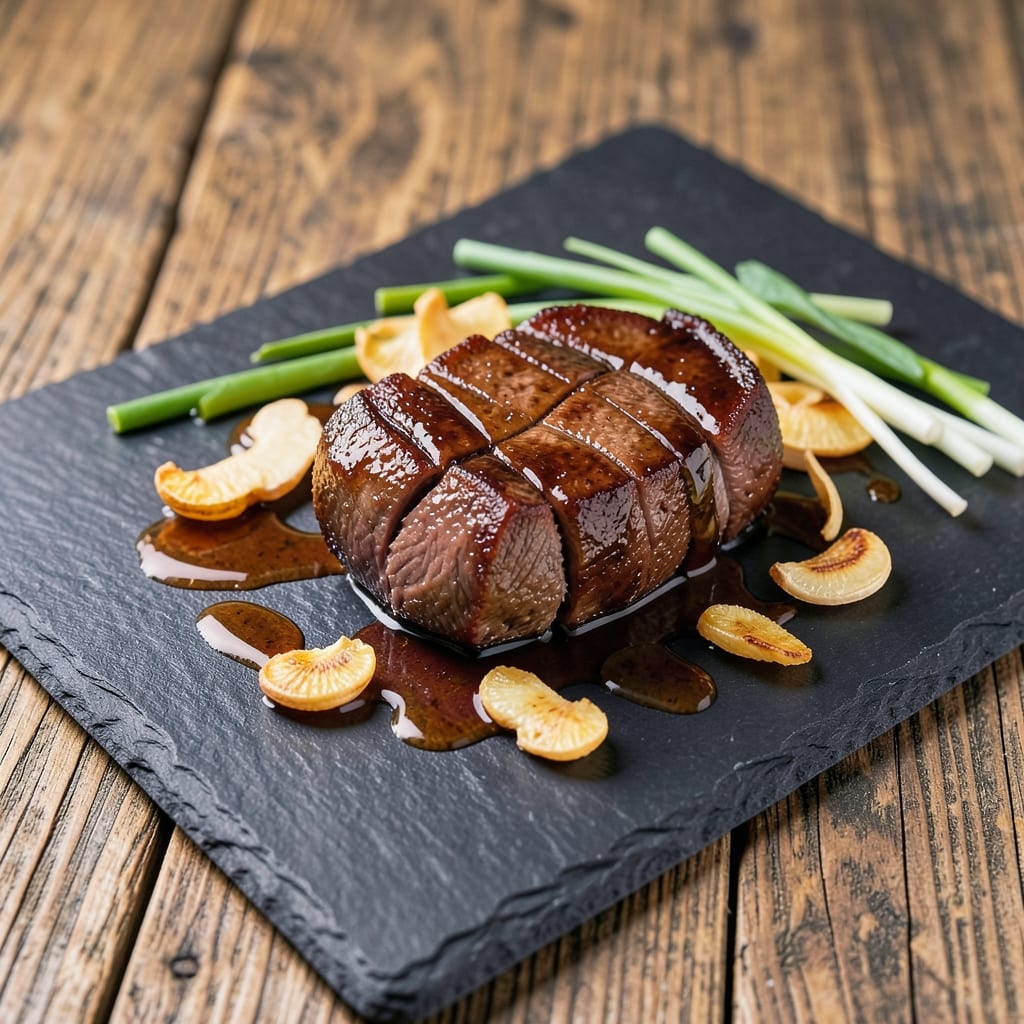
Slow-braised Asian beef tongue delivers silky, melt-in-your-mouth texture with deep umami flavor that transforms tough cuts into a luxurious centerpiece. This recipe draws from traditional Korean and Chinese techniques, where beef tongue is slow-cooked until tender and infused with aromatic spices. The key lies in the long braising process, which breaks down collagen for that signature velvety consistency while building rich, savory depth.
What sets this dish apart is its versatility—equally at home in a celebratory feast or a comforting weeknight meal. The marinade of soy sauce, garlic, and ginger creates a flavor base that pairs beautifully with the natural richness of the tongue, while the slow simmer in a flavorful broth ensures every bite is tender and packed with flavor. For maximum impact, we recommend using a whole beef tongue (about 2 pounds) to achieve the most dramatic results.
The finished dish features glossy, caramelized edges from the braising liquid, with a texture that practically dissolves on the tongue. Serve it sliced thickly over steamed rice, accompanied by quick-pickled vegetables for brightness and a drizzle of sesame oil for extra aroma. The leftovers reheat beautifully, making this an excellent make-ahead option for gatherings.
This recipe balances tradition with approachability, delivering restaurant-quality results without requiring specialized equipment. The slow cooking process (typically 3-4 hours) transforms tough cuts into something luxurious, proving that patience in the kitchen yields extraordinary rewards. Ready to elevate your Asian-inspired meals?
Ingredients for asian beef tongue
Two pounds of beef tongue plus aromatic spices transform into a luxurious, melt-in-your-mouth centerpiece.
| Ingredient | Amount | Notes |
|---|---|---|
| Whole Beef Tongue 🥩 | 2 lb | Fresh, cleaned, trimmed |
| Soy Sauce 🍶 | ½ cup | Kosher-style preferred |
| Brown Sugar 🍚 | ¼ cup | Packed, light variety |
| Garlic Cloves 🧄 | 8 cloves | Smashed, not minced |
| Fresh Ginger 🌿 | ½ cup | Thinly sliced, peeled |
| Green Onions 🧅 | ¼ cup | White and green parts |
| Sesame Oil 🫒 | 1 tbsp | Toasted, for aroma |
| Star Anise 🌶️ | 2 whole | Lightly crushed |
| Cinnamon Sticks 🌿 | 2 whole | 2-inch pieces |
| Bay Leaves 🍃 | 2 whole | Dried, standard size |
| Black Peppercorns 🌶️ | 1 tsp | Whole, lightly crushed |
| Water 💧 | 4 cups | Filtered preferred |
| Jasmine Rice 🍚 | 2 cups | Uncooked, long-grain |
| Sesame Seeds 🌱 | 1 tbsp | Toasted, for garnish |
| Red Chili Flakes 🔥 | ½ tsp | Optional, for heat |
The beef tongue is the star, so source it from a trusted butcher or specialty market—Whole Foods or Costco often carry it pre-cleaned. Look for a piece with good marbling and vibrant color; avoid anything with a strong odor or grayish tint. If you're using a whole tongue, trim excess fat and connective tissue before cooking. The marinade ingredients—soy sauce, brown sugar, and aromatic spices—work together to tenderize the meat while infusing it with deep umami flavor. Kikkoman soy sauce is a reliable choice, but any high-quality brand will do. For the ginger, use fresh if possible—it adds a brightness that dried just can't match.
No star anise? Cinnamon sticks alone will work, but the anise adds a subtle licorice note that's worth hunting down. Running short on sesame oil? Toasted peanut oil provides a similar aroma, though the flavor will differ slightly. If you prefer less sweetness, reduce the brown sugar to 2 tablespoons and add 1 tablespoon of honey (or agave for vegan option). The garlic and ginger can be pre-minced to save time, but smashing the garlic cloves keeps their oils intact for better flavor infusion. For extra depth, add 1 teaspoon of fish sauce—it’s traditional in many Asian braises, though omit if avoiding seafood.
This dish tastes even better the next day, so plan ahead. Store the cooked tongue in its braising liquid in an airtight container in the fridge for up to 5 days—the flavors meld beautifully over time. For longer storage, freeze the tongue in portions for up to 3 months. When reheating, warm gently in the braising liquid over low heat to maintain tenderness. The rice can be cooked in advance and reheated separately, or stored in a separate container. Garnish with toasted sesame seeds and a drizzle of sesame oil just before serving to keep everything fresh.
Why You'll Love This Recipe
- One-Pot Magic: I swear by this—just toss the tongue, garlic, ginger, and sauce in one pot and let it do its thing. No chopping mountains of veggies or juggling multiple pans. Honestly, the only prep is peeling garlic and grating ginger, and that’s it.
- Sweet-Savory Symphony: That caramelized brown sugar and soy sauce glaze? It’s where this dish gets its soul. The ginger and garlic seep into the meat, giving you tender slices with a sticky, addictive coating—like a cross between teriyaki and braised beef.
- Leftover Legend: Between us, this recipe makes way more than you’ll eat in one sitting. The good news? It’s even better the next day. I’ll often slice it thin for sandwiches or toss it into fried rice—zero waste, all flavor.
- Budget Powerhouse: Beef tongue is cheaper than steak but packs serious protein. A single whole tongue feeds a family for days, and the ingredients? Basic pantry staples. I’ll be real: it’s my go-to for stretching meals without sacrificing taste.
Step-by-step instructions for Asian beef tongue
Transform tough beef tongue into melt-in-your-mouth perfection with this slow-braising method.
Prep and Parboil the Beef Tongue
Rinse the 2 lb whole beef tongue thoroughly under cold water and pat completely dry. This step is crucial—any moisture left on the surface will prevent proper browning later. Place the tongue in a large pot and cover with cold water by about 2 inches. Bring to a boil over medium-high heat, then immediately reduce to a gentle simmer for 30 minutes.
After 30 minutes, drain the water completely and return the tongue to the pot. Add 4 cups water and bring back to a boil. Skim off any foam that rises to the surface—this ensures your braising liquid stays clear. Simmer uncovered for another 30 minutes, then drain again. This parboiling step removes impurities and pre-cooks the tongue slightly, making it more tender for the long braise ahead.
Build the Aromatic Braising Base
In a large Dutch oven or heavy pot, combine the 0.5 cup soy sauce, 0.25 cup packed brown sugar, 8 smashed garlic cloves, 0.5 cup sliced fresh ginger, 2 lightly crushed star anise, 2 cinnamon sticks, 2 bay leaves, and 1 tsp whole black peppercorns. Bring this mixture to a gentle simmer over medium heat for 5 minutes, allowing the spices to bloom and release their aromas.
Here's where the magic happens: the brown sugar will caramelize slightly, deepening the flavor profile. If you notice the mixture reducing too quickly, add 1 cup water to maintain a gentle simmer. This aromatic base will infuse the beef tongue with layers of complexity during the braising process.
Braise Until Fork-Tender
Carefully place the parboiled beef tongue into the Dutch oven, nestling it into the aromatic liquid. The tongue should be mostly submerged, but don't worry if it's not completely covered. Cover the pot tightly with a lid and transfer to a 300°F oven. Braise for 3 hours, then check for tenderness by inserting a fork—it should slide in with minimal resistance.
If the tongue isn't quite tender after 3 hours, continue braising for another 30-minute to 1-hour increments until fork-tender. The key is patience here; rushing will result in a tough, chewy texture. I've found that beef tongue often needs 3.5 to 4 hours total braising time to reach that perfect silky texture.
Finish with Sesame Oil and Garnish
Once the beef tongue is fork-tender, carefully remove it from the braising liquid and transfer to a cutting board. Let it rest for 15 minutes before slicing—this allows the fibers to relax and makes for cleaner slices. While it rests, skim excess fat from the braising liquid and strain it through a fine-mesh sieve to remove the spices.
Slice the beef tongue against the grain into ¼-inch thick slices. Return the slices to the pot with the strained braising liquid and stir in 1 tbsp sesame oil. Simmer for 5 minutes to infuse the oil's nutty aroma. Garnish with 1 tbsp toasted sesame seeds and 0.25 cup chopped green onions, reserving some for serving. The red chili flakes are optional here—sprinkle 0.5 tsp over the top if you want a subtle heat.
Serve with Jasmine Rice
While the beef tongue finishes, cook the 2 cups jasmine rice according to package instructions—it should be fluffy and just tender. To serve, arrange the beef tongue slices over the rice and ladle the aromatic braising liquid generously over the top. The rich, umami-packed sauce should coat every bite, creating a harmonious balance with the tender meat.
For an authentic presentation, drizzle with an extra touch of sesame oil and scatter remaining green onions and sesame seeds on top. The contrast between the silky beef tongue and the fragrant rice creates a dish that's both comforting and sophisticated—perfect for special occasions or when you want to impress guests with your cooking skills.
Pro Tips For Making Asian Beef Tongue
- Parboil First, Simmer Slow: The tongue needs a head start—parboil it for 45 minutes before braising. I learned this the hard way: skipping it leaves the center tough and chewy. After that initial boil, reduce heat to a gentle simmer (170°F/77°C) for 2–3 hours, or until fork-tender. Rushing this step turns the texture from silky to rubbery.
- Scrape and Score the Tongue: Don’t just rinse the tongue—take 5 minutes to scrape off the slimy membrane with a knife, then score the surface in a crosshatch pattern. This lets the soy sauce and brown sugar penetrate deeper, giving you that caramelized, flavor-soaked bite. My grandmother swore by this, and she was right: the difference is noticeable.
- Balance the Sweet and Salty: Too much brown sugar? The dish turns cloying. Too little soy sauce? It’s bland. Aim for a 1:1 ratio by weight (e.g., 2 tablespoons each per pound of tongue), then taste as you go. Add a splash of rice vinegar if it’s too heavy—it cuts through the richness without overpowering.
- Use Ginger-Garlic Paste, Not Slices: Fresh ginger and garlic cloves burn easily and release flavor unevenly. Blend them into a paste first—this ensures even distribution and prevents bitter spots. Plus, it saves cleanup. (Yes, even if you’re impatient like me, trust the process.)
Make-ahead tips for this asian beef tongue
Prep Ahead Strategy
The beef tongue can be fully prepped and parboiled 1 day ahead—this saves 1 hour of active time on cooking day. After the initial 1-hour parboil, store the tongue in its first draining liquid in an airtight container in the fridge. When ready to braise, simply drain and proceed with the aromatic base—no extra steps needed. 💡
Braising Timeline
Plan for a 4-hour total cook time, but break it into manageable chunks. Start the braising base in the morning, then place the tongue in the oven while you handle other meal prep. The 300°F oven keeps the temperature steady, so you can walk away and return to perfectly tender results. For busy schedules, use a slow cooker on low for 6-8 hours instead.
Storage Solutions
Cooked beef tongue stores beautifully in its braising liquid. Transfer to airtight containers and refrigerate for up to 5 days—the flavors actually deepen over time. For freezing, portion into quart-sized freezer bags with 1 cup braising liquid per serving. Thaw overnight in the fridge before reheating gently in a pot with a splash of water to maintain moisture. ❄️
Rice Prep Shortcut
Cook the 2 cups jasmine rice a day ahead and store in an airtight container. Reheat covered with a damp paper towel in the microwave for 2-3 minutes or steam in a rice cooker. The rice absorbs the braising liquid beautifully when reheated together, creating a cohesive dish with minimal effort. This is my go-to strategy for stress-free serving.
Garnish Assembly
Toast the 1 tbsp sesame seeds and chop the 0.25 cup green onions the night before. Store in separate small containers—they stay fresh longer than if mixed together. When ready to serve, simply sprinkle over the hot beef tongue and rice. This prep step takes 5 minutes but elevates the presentation dramatically. 🌟
Reheating Leftovers
Reheat beef tongue leftovers in the braising liquid over low heat until warmed through (10-15 minutes). Avoid microwaving—it makes the texture rubbery. For a quick lunch, serve over cold rice with extra sesame oil drizzled on top. The contrast of warm meat and cool rice is surprisingly refreshing. Portion leftovers into single servings for easy grab-and-go meals during the week.
Nutrition facts
Frequently asked questions
Why does beef tongue need to be parboiled before braising?
The parboiling step removes impurities and surface moisture that would prevent proper browning later. It also jump-starts the cooking process, making the 3-4 hour braise more effective by breaking down some of the collagen upfront. Skipping this step often results in tougher texture and less flavorful braising liquid.
Can I use a slow cooker instead of an oven for braising?
Transfer the parboiled tongue and braising base to a slow cooker and cook on low for 6-8 hours. The slow cooker maintains gentle heat without monitoring, making it perfect for busy days. Just ensure the tongue is mostly submerged in liquid throughout the process.
What's the best way to tell when beef tongue is fully cooked?
Use the fork test: insert a fork into the thickest part—it should slide in with minimal resistance. The tongue should also pull apart easily when gently tugged. For extra confirmation, check the internal temperature with a meat thermometer (195°F for perfect tenderness). Patience here makes all the difference!
How do I remove the tough membrane from beef tongue?
After parboiling, place the tongue on a cutting board and use your fingers to peel back the skin. The membrane should lift easily once the tongue is partially cooked. If it resists, gently score the surface with a sharp knife before peeling. Never force it—this could tear the meat.
Can I substitute beef tongue with pork or chicken tongue?
While pork tongue works similarly, chicken tongue is much smaller and less flavorful. For best results, stick with beef tongue—its rich, fatty texture and umami depth are unmatched. If you must substitute, use 2 lbs of pork tongue and adjust braising time to 2.5-3 hours instead.