
Main Courses
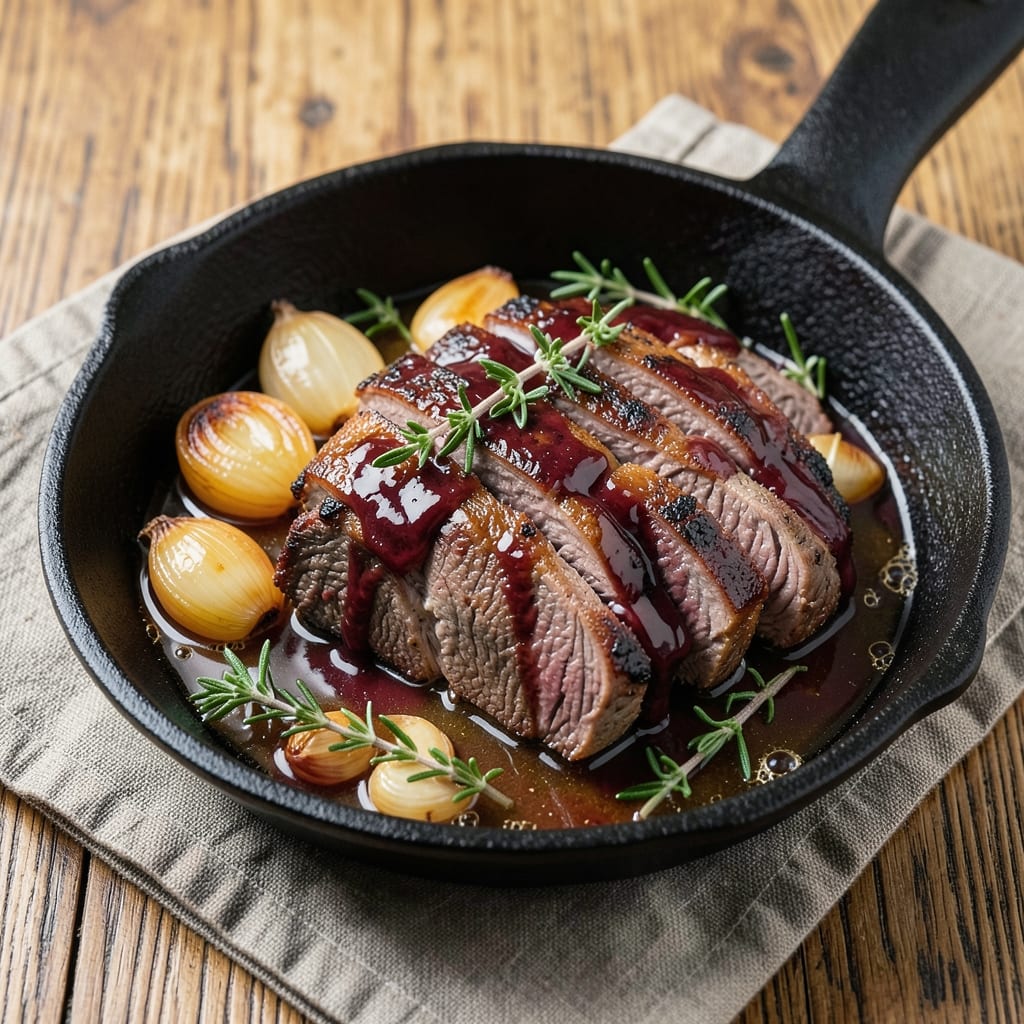
This Atkins beef Merlot recipe delivers restaurant-quality wine-braised steak without the carbs—rich, tender, and perfectly balanced in just 30 minutes. The secret lies in searing beef strips to lock in juices, then braising them in Merlot with aromatic herbs until fork-tender. Every bite combines deep wine flavor with a velvety sauce that skims effortlessly over Atkins-compliant sides like roasted asparagus or cauliflower mash.
The technique transforms tough cuts into melt-in-your-mouth perfection through slow cooking, where the wine reduces into a concentrated, savory sauce. No grains or starchy sides here—just protein-rich beef paired with low-carb vegetables that soak up the rich flavors. This isn't just a diet-friendly meal; it's a luxurious dinner that proves Atkins can be indulgent.
What sets this recipe apart is the wine reduction process, where Merlot's acidity cuts through the beef's richness while developing complex layers of umami. The result? A dish so satisfying, even non-Atkins followers won't guess it's low-carb. The sauce clings to the steak like a second skin, creating each bite into a harmonious blend of wine, beef, and herbs.
Serve with roasted Brussels sprouts or zucchini noodles to keep it strictly Atkins while maintaining that restaurant-worthy presentation. The leftovers reheat beautifully, making this the ultimate weeknight solution for flavor without compromise. Ready to transform dinner into a wine-braised masterpiece?
Ingredients for atkins beef merlot
Restaurant-quality wine-braised beef without carbs—just premium ingredients for a luxurious Atkins dinner.
| Ingredient | Amount | Notes |
|---|---|---|
| Beef Chuck Roast 🥩 | 1 ½ lb | Trimmed of fat, cut into 1-inch strips |
| Dry Merlot Wine 🍷 | 1 cup | Bold, medium-bodied variety preferred |
| Beef Broth 💧 | 1 cup | Low-sodium, homemade or high-quality |
| Shallots 🧅 | 2 whole | Minced, or substitute 2 tbsp onion |
| Garlic Cloves 🧄 | 4 cloves | Minced, for aromatic depth |
| Fresh Thyme 🌿 | 2 sprigs | Or 1 tsp dried thyme |
| Fresh Rosemary 🍃 | 1 sprig | Woody stems removed |
| Olive Oil 🫒 | 2 tbsp | Extra-virgin for high smoke point |
| Diamond Crystal Kosher Salt 🧂 | 1 ½ tsp | For seasoning and sauce balance |
| Ground Black Pepper 🌶️ | ½ tsp | Freshly cracked for intensity |
| Unsalted Butter 🧈 | 1 tbsp | For sauce finishing |
| Fresh Parsley 🌿 | ¼ cup | Chopped, for garnish |
| Red Wine Vinegar 🍋 | 1 tsp | For sauce acidity balance |
The beef selection is critical for this dish. Chuck roast delivers the perfect balance of tenderness and flavor, especially when cut into even strips. Most butcher counters offer pre-cut beef strips, saving you time—just ask for 1.5 pounds of chuck roast strips. If you're buying a whole roast, trim visible fat and slice against the grain for maximum tenderness. For wine, opt for a bold, dry Merlot—avoid sweet varieties or those labeled 'cooking wine'. Trader Joe's or local vineyards often carry excellent options at reasonable prices. The herbs should be vibrant; wilted thyme or rosemary will compromise the dish's aromatic profile.
No Merlot? Cabernet Sauvignon or Pinot Noir work equally well—just ensure it's dry. Substituting beef broth? Use low-sodium to prevent over-salting the sauce. The shallots can be swapped for red onion if unavailable, but shallots provide a more refined sweetness. For those without fresh herbs, dried thyme and rosemary can be used at one-third the amount, though fresh imparts superior flavor. The olive oil should have a high smoke point—avoid infused oils that may alter the wine's delicate flavors. When measuring wine, use a liquid measuring cup for precision, as the sauce's balance depends on accurate ratios.
This dish reheats exceptionally well—2-3 minutes in a skillet with a splash of beef broth revives the sauce beautifully. Store leftovers in an airtight container for up to 5 days in the refrigerator, or freeze for 3 months by portioning into individual containers. The wine-based sauce thickens upon reheating, so adding a splash of broth or water helps restore its velvety texture. For meal prep, double the recipe and freeze half; the beef remains tender when thawed and reheated gently. Garnish with fresh parsley just before serving to maintain vibrant presentation.
Why You'll Love This Recipe
- One-Pot Magic: I swear by this—just sear the beef, toss in the Merlot and broth, and let it slow-cook while I handle the rest. No extra pans, no fuss, and that rich wine sauce practically makes itself.
- Deep Umami Bomb: The Merlot doesn’t just flavor the beef—it transforms it. That first sip of sauce hits like a glass of wine, but with layers of caramelized shallots and garlic that make every bite taste like a restaurant-worthy cut.
- Weeknight to Weekend: Between us, this feeds a crowd without stress. Double the batch on Sunday, reheat for Tuesday lunches, or serve it at your next dinner party—it’s the same effort, different occasions.
- Budget Beef Boost: A chuck roast is cheap, but it tastes like steak when braised in Merlot. Honestly, I buy the cheapest cut, and no one ever guesses. Plus, leftovers turn into the next day’s sandwiches or tacos—zero waste.
Step-by-step instructions for wine-braised beef Merlot steak
Master this technique for melt-in-your-mouth beef that falls apart with gentle pressure.
Sear the Beef Chuck Roast for Maximum Flavor
Heat a heavy Dutch oven over medium-high heat until very hot. Add the 2 tablespoons olive oil and let it shimmer for 30 seconds. Working in batches if needed, add the 1.5 lb beef chuck roast strips in a single layer, ensuring they don't overcrowd the pan.
Sear for 2-3 minutes per side until deeply browned with a crust forming. This initial sear locks in juices and builds the foundational flavor. I press down gently on the strips during the first minute—this prevents them from curling and ensures even contact with the pan. Once browned, transfer the beef to a plate and set aside.
Build the Aromatic Base for Deep Flavor
In the same Dutch oven, reduce heat to medium and add the 2 minced shallots and 4 minced garlic cloves. Cook for 2-3 minutes until the shallots soften and become translucent, stirring occasionally to prevent burning. The garlic should be fragrant but not browned.
Add the 2 sprigs fresh thyme and 1 sprig fresh rosemary, stirring for 30 seconds to release their essential oils. This step creates the aromatic foundation that will infuse the beef and sauce. If using dried herbs, add them now with the garlic—dried herbs need slightly more cooking time to develop their flavors.
Deglaze and Simmer in Wine and Broth
Pour in the 1 cup dry Merlot wine immediately after removing the herbs, scraping up any browned bits from the bottom of the pan with a wooden spoon. This deglazing captures all the meaty flavor that would otherwise be lost. Let the wine simmer for 3-4 minutes until reduced by about half and slightly syrupy in texture.
Add the 1 cup beef broth, 1.5 teaspoons Diamond Crystal kosher salt, and 0.5 teaspoon ground black pepper. Return the beef strips to the pot, spooning the sauce over them to coat evenly. Bring to a gentle simmer, then reduce heat to low and cover partially with a lid. Let it cook for 20-25 minutes until the beef is fork-tender and easily pulls apart.
Finish with Butter and Vinegar for Richness
Remove the beef strips and set aside. Increase heat to medium and add the 1 tablespoon unsalted butter to the sauce. Let it melt completely, then stir in the 1 teaspoon red wine vinegar. The vinegar brightens the sauce and balances the richness of the butter and wine.
Return the beef to the sauce and simmer uncovered for 2-3 minutes to thicken slightly. The sauce should coat the back of a spoon with a velvety consistency. Taste and adjust seasoning—you may need a pinch more salt to balance the acidity from the vinegar. The beef should be so tender it practically dissolves on your tongue.
Garnish and Serve Immediately
Transfer the beef and sauce to a serving platter. Garnish with 0.25 cup chopped fresh parsley for a pop of color and freshness. Serve immediately over mashed cauliflower or roasted vegetables to keep the dish low-carb while maintaining its luxurious texture.
Each bite should deliver perfectly tender beef with a rich, wine-infused sauce that coats every strand. The combination of searing, slow braising, and proper finishing techniques ensures this dish delivers restaurant-quality results at home with minimal effort.
Pro Tips For Making Atkins Beef Merlot
- SEAR THE ROAST FIRST: Start with a screaming-hot cast-iron or heavy skillet—no oil needed if you pat the beef bone-dry first. That crust locks in flavor and keeps the roast from turning to mush later, especially when you’re braising it in wine and broth. (I used to skip this, and the dish always tasted underwhelming.)
- USE A MID-RANGE MERLOT: Cheap wine makes cheap sauce. Grab a $12–$15 Merlot—something with enough body but not so bold it overpowers the beef. If you’re using a leftover bottle, decant it first to let the alcohol burn off faster during cooking. (Yes, even if you’re impatient like me.)
- DEGLAZE WITH BROTH, NOT WATER: After searing, don’t just splash in water to scrape up the browned bits—use half the broth called for in the recipe. That extra depth of flavor from the beef base makes the sauce richer without tasting like you boiled it. (I learned this after making a sauce that tasted like sad, diluted beef tea.)
- SIMMER LOW AND COVERED: After adding the wine and broth, drop the heat to a gentle simmer—not a rolling boil—and keep the lid slightly ajar. This keeps the shallots and garlic from burning while letting moisture escape so the sauce thickens properly. (My first attempt had a burnt garlic disaster; never again.)
Regional styles of this recipe
French Wine-Braised Tradition
This technique originated in French bœuf bourguignon, where red wine braises tough cuts into tender perfection. The French use beef chuck (similar to our chuck roast) and Pinot Noir or Merlot for acidity that tenderizes the meat. The key difference? French versions often include bacon and mushrooms, but we're keeping it Atkins-compliant by omitting those carbs. 🍷
Italian Wine-Braised Adaptation
In Italy, they'd call this manzo al vino rosso—simpler than French techniques but equally flavorful. Italians typically use Chianti or Sangiovese (similar acidity to Merlot) and add tomato paste for depth. For our Atkins version, we skip the tomatoes but keep the wine reduction method. The Italian approach focuses on slow simmering and herb bundles (like thyme and rosemary in this recipe).
Texas-Style Wine-Braised Beef
Southern Texas chefs often braise beef with bold red wines like Cabernet Sauvignon, but the technique mirrors our method. They'd serve it over cauliflower rice (a Texas Atkins staple) instead of traditional sides. The key Texas twist? Adding smoked paprika or chili powder to the sauce—about ½ teaspoon—for a subtle heat that pairs perfectly with Merlot's fruitiness. 🌶️
Low-Carb Mediterranean Twist
For a lighter take, Mediterranean cooks would use dry rosé instead of Merlot and add lemon zest to the sauce. They'd serve it with grilled zucchini or eggplant rounds instead of cauliflower. The wine reduction stays the same, but the herb profile shifts to oregano and basil—swap our thyme and rosemary for 1 teaspoon dried oregano if you prefer this variation.
Wine Country California Style
California's wine country chefs often braise beef with local Zinfandel (similar boldness to Merlot) and finish with balsamic vinegar instead of red wine vinegar. They'd serve it with roasted Brussels sprouts (Atkins-friendly) and a sprinkle of toasted almonds for crunch. For our recipe, simply swap the 1 teaspoon red wine vinegar for ½ teaspoon balsamic vinegar to capture that California touch.
Nutrition facts
Frequently asked questions
Can I use a different cut of beef for this recipe?
Yes! While chuck roast is ideal for its tenderness and flavor, you can substitute with stew meat or flank steak (cut into strips). For tougher cuts like chuck, the long braising time is essential. If using flank steak, slice against the grain for maximum tenderness.
What if I don't have Merlot wine? What are good substitutes?
No problem! Use Cabernet Sauvignon or Pinot Noir for similar bold flavors. Avoid sweet wines or cooking wine—opt for a dry, medium-bodied red. If you're out of wine entirely, beef broth with 1 teaspoon red wine vinegar and ½ teaspoon balsamic vinegar works in a pinch.
How do I make this dish Atkins-friendly?
This recipe is already Atkins-compliant with its focus on protein and low-carb sides. Skip starchy sides like potatoes or bread—opt for cauliflower mash, roasted Brussels sprouts, or zucchini noodles. The wine-braised sauce is naturally low-carb, and the beef provides all the protein you need.
Can I prepare this recipe ahead of time?
The beef and sauce reheat beautifully. Store leftovers in an airtight container for up to 5 days in the fridge. To reheat, warm in a skillet over medium heat with a splash of beef broth to restore the sauce's velvety texture. For freezing, portion into individual containers for up to 3 months.
Why does the beef need to be seared first?
Searing creates a flavorful crust (the Maillard reaction) that locks in juices and builds depth. Without it, the beef would be bland and dry. The 2-3 minute sear on each side ensures maximum flavor while keeping the meat tender during the long braise. Pressing down with a spoon during searing prevents curling.