
Soups & Stews
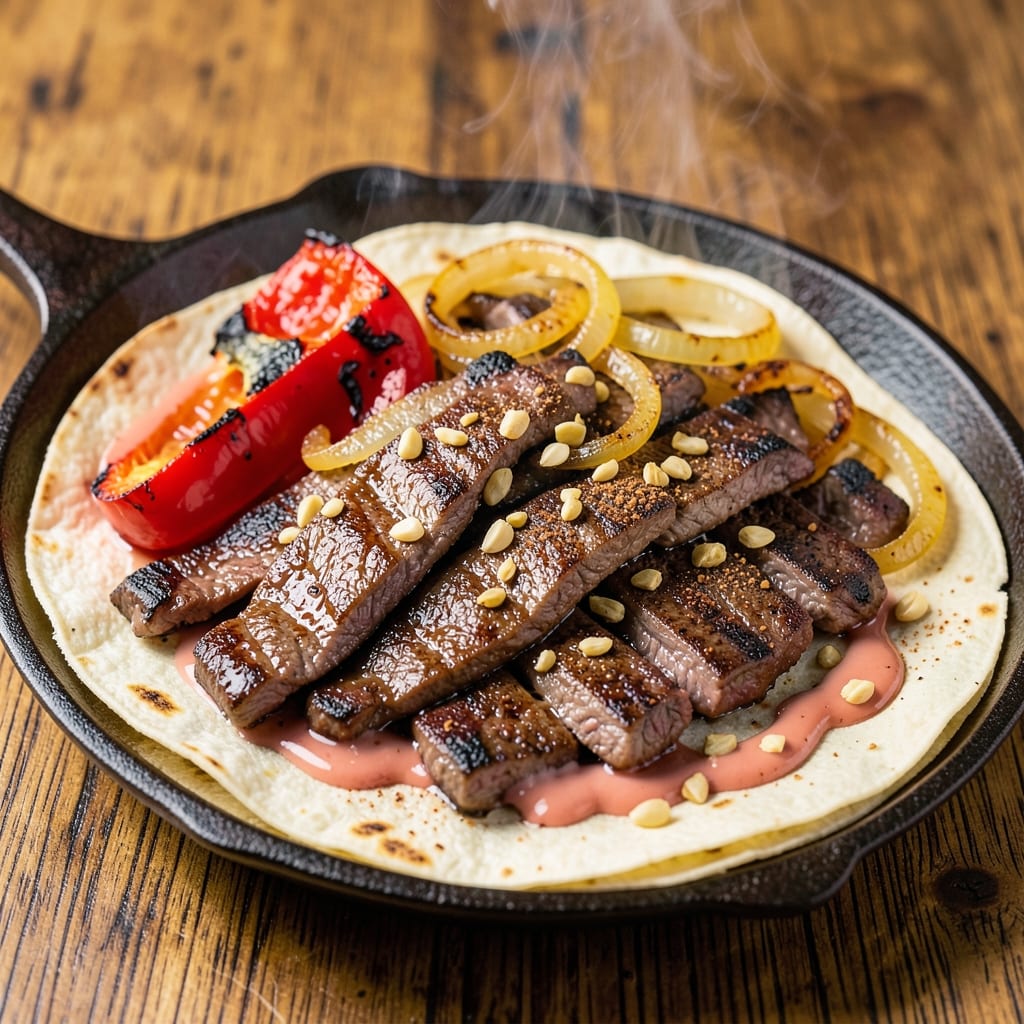
This Angus beef fajitas recipe delivers restaurant-quality flavor in just 25 minutes, transforming tender skirt steak and charred peppers into a sizzling, smoky masterpiece. The secret lies in high-heat searing and proper slicing—thin, even strips ensure perfect doneness every time. Whether you grill or cook on the stovetop, the result is melt-in-your-mouth beef with caramelized edges and vibrant, smoky peppers that bring the whole plate to life.
What sets these fajitas apart is the balance of traditional techniques and modern twists—like using smoked paprika and cumin for depth, then finishing with a squeeze of lime for brightness. The beef absorbs the spices beautifully, while the peppers and onions develop a natural sweetness when charred. This isn’t just a meal; it’s an experience that turns a simple weeknight dinner into something special.
Serve the fajitas with warm tortillas, a dollop of creamy avocado or sour cream, and a sprinkle of fresh cilantro for that final touch. The beef stays juicy and tender, while the peppers add a satisfying crunch. It’s the kind of dish that disappears faster than you can say "refill the plate." Ready to elevate your fajita game? Let’s get cooking.
Bonus: This recipe scales effortlessly—double the batch for a crowd, or prep ahead for meal prep. The flavors only get better as they sit, making it perfect for gatherings or busy weeknights. Whether you’re grilling outdoors or searing on the stove, these fajitas deliver restaurant-quality results without the fuss.
Ingredients for angus beef fajitas
Restaurant-quality fajitas start with these 14 ingredients—juicy steak, smoky spices, and vibrant charred peppers.
| Ingredient | Amount | Notes |
|---|---|---|
| Skirt Steak (Angus Beef) 🥩 | 1 ½ lb | Thinly sliced against grain |
| Bell Peppers (Green and Red) 🌶️ | 2 whole | Stripped into 1/2-inch strips |
| Yellow Onion 🧅 | 1 whole | Sliced into 1/4-inch strips |
| Garlic Cloves 🧄 | 4 cloves | Minced finely |
| Smoked Paprika 🌶️ | 1 tbsp | For deep smoky flavor |
| Ground Cumin 🌿 | 1 tbsp | Toasted for warmth |
| Kosher Salt 🧂 | 1 ½ tsp | Diamond Crystal preferred |
| Ground Black Pepper 🌶️ | ½ tsp | Freshly cracked |
| Lime 🍋 | 1 whole | Juiced for brightness |
| Vegetable Oil 🫒 | 2 tbsp | High smoke point |
| Fresh Cilantro 🌿 | ¼ cup | Chopped for garnish |
| Flour Tortillas 🌯 | 8 whole | Warm for serving |
| Avocado 🥑 | 1 whole | Sliced for topping |
| Sour Cream 🥛 | ¼ cup | For serving |
The Angus skirt steak is non-negotiable here—look for good marbling and ask your butcher to slice it thin against the grain. Costco or Whole Foods carry excellent cuts, but any high-quality grocery store should have it. If you can't find skirt steak, flank steak works too, just slice it extra thin. The bell peppers should be firm and vibrant—Trader Joe's often has great organic options. For the onions, yellow or red both work, but yellow adds a touch of sweetness when charred. Toast your cumin seeds in a dry pan for 30 seconds before grinding if you're using whole cumin—it makes all the difference.
No smoked paprika? Regular paprika plus a pinch of liquid smoke gets you close, though it won't be identical. Fresh cilantro is ideal, but dried cilantro at half the amount works in a pinch (though it lacks the true brightness). The lime juice is essential—Mexican limes from a Latin market have the best zing, but regular limes work fine. For the tortillas, Mission or La Banderita are my go-tos, but any soft flour tortillas will do. Avocado can be swapped for guacamole if you're feeling fancy, and sour cream can be replaced with vegan sour cream or Greek yogurt for a tangier option. The vegetable oil should have a high smoke point—avocado or grapeseed oil are perfect choices.
Prep the beef and veggies ahead—they keep well in the fridge for 2 days. The tortillas should be wrapped in a clean towel to stay soft. These fajitas reheat beautifully—just warm the beef and peppers in a skillet for 2-3 minutes with a splash of water. The flavors actually improve after sitting for 30 minutes, so make extra if you're feeding a crowd. Store leftovers in airtight containers for 3-4 days, or freeze the beef and veggies separately for up to 3 months. The tortillas freeze well too—just reheat in a dry pan.
Why You'll Love This Recipe
- One-Pan Magic: I swear by this recipe because it’s actually one pan—no chopping boards, no extra dishes. Slice the peppers and onion, throw them on with the steak, and let the smoky paprika do its thing while you sip your drink.
- Smoky Paprika Magic: That first bite? The charred peppers, the tender skirt steak, and the deep, earthy kick from smoked paprika—it’s the kind of flavor that makes you pause mid-bite and go, “Damn, that’s good.” (Yes, even on a Tuesday night.)
- Leftovers That Don’t Suck: Between us, most beef fajita leftovers turn into sad, dry meat. Not these. The steak stays juicy, and the peppers just get better the next day—perfect for quick lunches or a lazy Friday night.
- Budget Beef, Big Impact: Skirt steak is cheaper than sirloin but feels like a splurge. A single pound feeds four, and the peppers and onion stretch it into a meal that tastes like you spent hours cooking—when really, you just seared and served.
Step-by-step instructions for sizzling skirt steak fajitas
Here's how to transform tender Angus beef and charred vegetables into restaurant-worthy fajitas in record time.
Prep the Skirt Steak for Maximum Flavor
Remove the skirt steak from the refrigerator and let it sit at room temperature for 15-20 minutes. This crucial step ensures even cooking. While it rests, slice the steak thinly against the grain into ¼-inch thick strips—this creates tender, bite-sized pieces that cook quickly. I like to work in batches, keeping the sliced meat in a bowl while I prep the vegetables.
In a small bowl, combine the 1 tablespoon smoked paprika, 1 tablespoon ground cumin, 1.5 teaspoons kosher salt, and 0.5 teaspoon black pepper. This earthy, smoky blend is the soul of fajita seasoning. Rub the mixture generously over both sides of the steak strips, pressing it into the meat so it adheres well. Let the seasoned steak rest for another 5 minutes before cooking—this allows the flavors to penetrate deeply.
Char the Vegetables for Smoky Depth
While the steak seasons, prepare the vegetables. Cut the 2 whole bell peppers (one green, one red) into ½-inch strips, removing seeds and membranes. Slice the 1 whole yellow onion into ¼-inch strips—this size ensures they soften quickly without turning mushy. Finely mince the 4 cloves garlic and set aside.
Heat a large cast-iron skillet or heavy grill pan over high heat until it's screaming hot. Add the 2 tablespoons vegetable oil and swirl to coat the pan evenly. Add the bell peppers and onion strips in a single layer, spreading them out. Let them cook undisturbed for 4-5 minutes until they develop deep char marks and begin to soften. Stir occasionally to prevent burning, but focus on creating that smoky char we're after.
Sear the Skirt Steak to Perfection
Push the charred vegetables to one side of the pan and add the seasoned skirt steak strips. Cook them over high heat for 2-3 minutes without stirring—this allows a beautiful crust to form. You'll know they're ready when the edges turn golden brown and the steak releases easily from the pan. Stir the steak briefly to cook the remaining pieces, then add the minced garlic and cook for an additional 30 seconds until fragrant.
Return the vegetables to the pan and toss everything together for 1 minute to combine flavors. The steak should be cooked to medium-rare (about 135°F internal temperature). If you prefer it more done, cook for another 30 seconds, but be careful not to overcook—the skirt steak's tenderness comes from quick cooking. Remove the pan from heat and let the fajita mixture rest for 2 minutes.
Assemble Fajitas with Fresh Toppings
Warm the 8 flour tortillas by wrapping them in a clean kitchen towel and microwaving for 20-30 seconds or heating in a dry skillet for 10 seconds per side. This keeps them pliable and prevents cracking. Slice the 1 whole avocado into thin strips and chop the ¼ cup fresh cilantro for garnish.
Divide the fajita mixture evenly among the tortillas, adding a generous squeeze of lime juice (about 1 tablespoon) to brighten the flavors. Top each with avocado slices, a dollop of ¼ cup sour cream, and a sprinkle of cilantro. Serve immediately with additional lime wedges on the side—this zesty touch elevates every bite.
Pro Tips For Making Angus Beef Fajitas
- Slice the Onion Right: Cut the yellow onion into ¼-inch thick strips—thinner slices burn faster, and thicker ones stay stubbornly raw. I used to chop them too fine, and they’d turn to mush before the steak was done. Keep them consistent so they cook evenly with the peppers.
- Char the Peppers First: Toss the bell peppers in the same hot pan as the onions before adding the steak—just 2-3 minutes until their edges blister and blacken. That smoky flavor carries through the whole dish, and it cuts down on total cooking time. (Yes, even if you hate charred bits, scrape them into the mix.)
- Salt the Steak Twice: Generously salt the skirt steak before searing, then sprinkle another layer of salt halfway through cooking. The first salt kicks off moisture, but the second locks in flavor as it finishes. I learned this the hard way—dry, tough fajitas happen when you skip the second round.
- Use a Meat Thermometer: Pull the steak at 130°F (it’ll rest to 135°F)—any higher and it’ll shrink into chewy strips. Skirt steak is forgiving, but pushing it to 140°F+ turns it leathery. A quick probe saves you from overcooking while the peppers and onions still sizzle. (I know, I know—it’s one more thing to wash.)
Pro cooking tips for angus beef fajitas
High-Heat Searing Secrets
For perfect fajitas, your pan needs to be screaming hot—I mean ripping-hot—before adding oil. Test it by flicking a drop of water; if it sizzles violently, you're ready. Use a cast-iron skillet or carbon steel pan (like Lodge) for even heat distribution. Medium skillets work best—too large, and the steak won't sear properly. 🔥
Don't overcrowd the pan! Cook the steak in two batches if needed, or it'll steam instead of sear. I promise you'll taste the difference—a proper crust means Maillard reaction magic, turning bland meat into flavor bombs. After searing, let the steak rest 2 minutes off-heat; this keeps it juicy when you slice.
Vegetable Char Mastery
The key to smoky charred veggies is patience. Let the peppers and onions cook undisturbed for the full 4-5 minutes—resist the urge to stir constantly. A grill pan with ridges creates more surface area for char marks. For extra smokiness, add a pinch of chipotle powder to the oil before cooking the veggies.
If your peppers aren't charring enough, crank the heat to highest setting and cover the pan with a lid for 30 seconds to trap steam and intensify flavor. The goal is blackened edges with tender centers—like a perfect campfire grill. Pro tip: Use red and green bell peppers together for a color contrast that looks stunning on the plate.
Steak Slicing Technique
Slice the skirt steak against the grain at a 45-degree angle for maximum tenderness. I use a sharp chef's knife (like Wüsthof) and cut through the muscle fibers in one smooth motion. For even strips, measure them against a ruler—¼-inch thickness is ideal. If your steak is extra thick, pound it gently with a meat mallet before slicing.
Work quickly but carefully—raw meat releases juices that can make your cutting board slippery. Keep the sliced steak in a single layer in a bowl while you prep the veggies to prevent sticking. The thinner the slices, the faster they cook, so don't be shy with the knife! 💪
Flavor Boosting Tricks
Toast your spices before using them—heat the cumin and smoked paprika in a dry pan for 30 seconds until fragrant. This deepens their flavor exponentially. For extra umami, add 1 teaspoon soy sauce to the seasoning mix. The lime juice should be freshly squeezed—bottled juice lacks the bright acidity that cuts through the richness.
Finish with a sprinkle of cotija cheese or queso fresco for a salty crunch. If you love heat, toss in ½ teaspoon cayenne pepper with the garlic at the end. The secret to restaurant-quality fajitas? Don't skip the rest time—let the meat sit for those 2 minutes before serving so all the juices redistribute.
Nutrition facts
Frequently asked questions
Can I substitute flank steak for skirt steak?
Yes! Flank steak works beautifully, but slice it extra thin—about ⅛-inch thick—since it's denser than skirt steak. Pound it gently before slicing to ensure even cooking. Both cuts are tender when sliced against the grain, but flank steak has a slightly firmer texture.
How do I prevent the tortillas from getting soggy?
Warm the tortillas just before serving—wrap them in a clean towel and microwave for 20-30 seconds or heat in a dry skillet for 10 seconds per side. Keep the fajita filling in a separate bowl until ready to assemble. For extra insurance, brush the tortillas lightly with oil before warming.
What's the best way to reheat leftover fajitas?
Reheat the beef and veggies in a skillet over medium heat for 2-3 minutes with a splash of water to revive the moisture. Add a pinch of cumin and smoked paprika to restore flavor. Tortillas? Warm them fresh in a dry pan—microwaving makes them rubbery. Leftovers keep well for 3-4 days in airtight containers.
Can I make fajitas ahead of time?
Prep the steak and veggies 1 day ahead—store them separately in the fridge. Reheat everything together in a skillet (just add a splash of water). For tortillas, freeze them wrapped in plastic—reheat in a dry pan. The flavors actually deepen overnight, making it perfect for meal prep.
Why does my steak turn out tough?
Overcooking is the #1 culprit—skirt steak should be cooked to medium-rare (135°F) at most. Use a meat thermometer and slice against the grain for tenderness. Also, don't crowd the pan—cook in batches if needed. A screaming-hot skillet and 2-minute rest keep it juicy.