
Main Courses
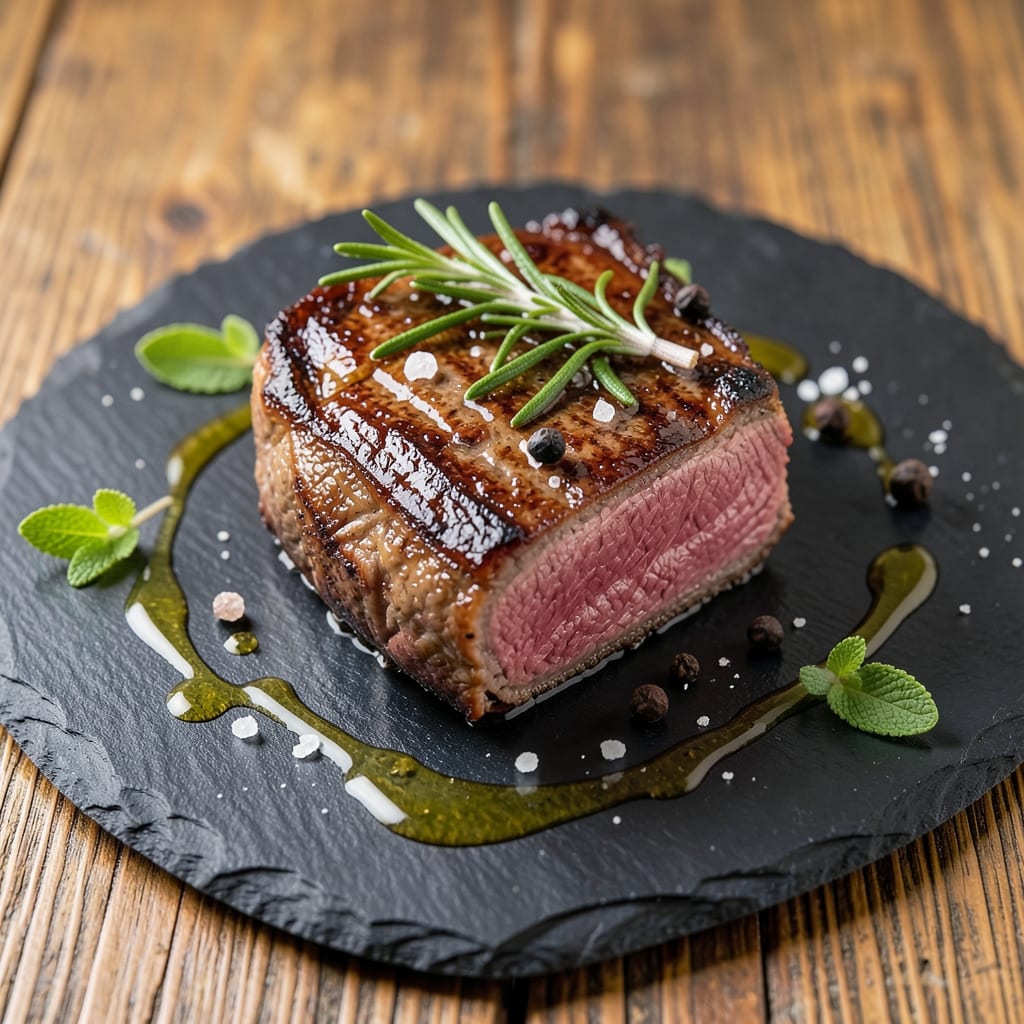
This Australian beef steak recipe delivers the bold flavors and smoky char that define Aussie barbecue culture—perfectly seared over charcoal with a fragrant herb crust. 🔥 The secret lies in using premium cuts like ribeye or sirloin, marinated in native spices and Australian Shiraz for depth, then grilled to your ideal doneness. Every bite combines tender meat with a flavorful crust that’s crispy on the outside and rich within.
The cooking method is where tradition meets technique: we’ll focus on charcoal grilling for that signature smoky aroma, but pan-searing works just as well for indoor cooking. A simple herb crust made with rosemary, thyme, and cracked black pepper adds an aromatic layer that complements the beef’s natural richness. This isn’t just a steak—it’s a taste of Australia’s outdoor dining culture, brought to your table.
What sets this recipe apart is the balance of simplicity and sophistication. No fancy equipment needed—just a grill (or cast-iron skillet), high heat, and a steady hand. The result? A steak with a caramelized crust, juicy interior, and flavors that linger. Serve it alongside classic Aussie sides like damper bread or roasted kumara (sweet potato) for the full experience.
Whether you’re grilling for a weekend feast or treating yourself to a restaurant-quality meal at home, this method delivers restaurant-quality results every time. The key is patience—let the steak rest before slicing, and you’ll be rewarded with a cut that’s as impressive as it is delicious. Let’s get cooking!
Ingredients for australian beef steak
Bold flavors start with these Aussie staples—thick steak, crushed native herbs, and charcoal heat.
| Ingredient | Amount | Notes |
|---|---|---|
| Australian Ribeye Steak 🥩 | 1 ½ lb | Thick-cut, bone-in preferred |
| Fresh Rosemary 🌿 | ¼ cup | Crushed leaves, stems included |
| Lemon Myrtle Leaves 🍃 | ⅛ cup | Dried or fresh, finely crushed |
| Flaky Sea Salt 🧂 | ½ cup | Maldon or Jacobsen preferred |
| Coarse Black Pepper 🌶️ | 1 tbsp | Freshly cracked preferred |
| Extra-Virgin Olive Oil 🫒 | 2 tbsp | For crust and searing |
| Charcoal Briquettes 🔥 | 2 lbs | Binchotan preferred for flavor |
| Wood Chips 🌳 | ½ cup | Hickory or eucalyptus |
| Butter 🧈 | 4 oz | Unsalted, softened |
| Garlic Cloves 🧄 | 4 cloves | Minced for butter compound |
| Fresh Parsley 🌿 | ⅛ cup | Chopped, for garnish |
| Shiraz Wine 🍷 | ½ cup | For basting, optional |
The steak is non-negotiable here. Ribeye with good marbling is ideal—ask your butcher for a 1.5-inch thick cut. Coles or Harris Farm in Australia carry premium cuts, but any quality USDA Choice steak works. Look for that bright red, vibrant color—graying meat means it's been sitting too long. For the herbs, lemon myrtle is the secret ingredient—find it dried at specialty stores like Whole Foods or online. If you can't get it, extra lemon zest plus rosemary works in a pinch. The flaky sea salt? Maldon or Jacobsen are the gold standards—those big, dramatic flakes that melt into the crust.
No lemon myrtle? Substitute with extra lemon zest plus rosemary—it's the citrus note that matters most. Running low on flaky salt? Coarse kosher salt at double the amount gives similar texture. The charcoal is key—Binchotan briquettes (if you can find them) add a subtle umami, but regular lump charcoal works fine. For the wood chips, hickory or eucalyptus gives that classic Aussie smoky aroma. The butter compound? Don't skip the garlic—it's what makes the basting sauce sing. And if you're feeling fancy, add a splash of Shiraz to the butter for extra depth.
Steaks are best used within 2 days of purchase—keep them wrapped in paper towels in the fridge. The herb crust loses potency after 3 days, so make it fresh if possible. Leftover steaks? Slice against the grain and wrap in damper bread for the ultimate Aussie-style burger. Charcoal stays hot for 4-6 hours—plan ahead if you're doing multiple steaks. And that Shiraz? Save the leftover wine—it's perfect for basting or drinking while you grill.
Why You'll Love This Recipe
- Five-Ingredient Magic: I swear, this is the kind of steak you can make while scrolling through your phone—just slap the ribeye on a screaming-hot pan, toss in the rosemary and lemon myrtle leaves, and let those flavors work their magic. No fancy prep, no stress, just pure satisfaction.
- Flavor Bomb Combo: That lemon myrtle? It’s like citrus and eucalyptus had a baby—bright, herbal, and addictive. Pair it with the rich, buttery ribeye and a sprinkle of flaky sea salt, and you’ve got a taste experience that’ll make you forget takeout exists.
- Weeknight Steak Night: Between us, I’ve served this to date nights, lazy Sundays, and even my skeptical in-laws. It’s fancy enough for company but unfussy enough that you won’t spend hours in the kitchen. (Yes, even on a Tuesday night.)
Step-by-step instructions for charcoal-grilled Australian beef steak
Here's how to turn that perfect ribeye into a smoky, herb-crusted masterpiece.
🔥 Step 1: Build the Aussie Herb Crust and Prep the Steak
In a small bowl, mix together the 0.25 cup fresh rosemary, 0.125 cup lemon myrtle leaves, 0.5 cup flaky sea salt, and 1 tbsp coarse black pepper. Crush the herbs between your palms to release their oils—this makes the crust stick like glue. Pat the 1.5 lb Australian ribeye steak dry with paper towels (moisture is the enemy of crispy crusts), then press the herb mixture all over, rubbing it in firmly so it adheres to every inch.
Let the steak sit at room temperature for 30 minutes while you prep the grill. This ensures even cooking—cold meat steams instead of searing. I like to leave it uncovered on a plate while it comes to room temp, which also helps the crust dry out slightly for better adhesion.
🔥 Step 2: Set Up the Charcoal Grill with Wood Chips
While the steak rests, set up your grill for indirect heat. Arrange the 2 lbs charcoal briquettes on one side, leaving the other side empty for the steak. Add the 0.5 cup wood chips (hickory or eucalyptus) directly on top of the hot coals—they'll smoke beautifully and infuse that Aussie flavor. Let it smoke for 10 minutes until you see thick, blue smoke (this is when the magic happens).
Here's the thing—don't rush this step. The wood chips need time to heat up and release their aromatic oils. If you're using a grill with a smoke box, add the chips there instead. The goal is to create that signature smoky crust that sets this steak apart from your average grill-out.
🍳 Step 3: Sear the Steak Over Direct Heat
Once you've got that beautiful smoke going, move the steak to the direct heat side of the grill. Sear for 4-5 minutes per side until you see deep brown crust forming and the internal temperature reaches 130°F (for medium-rare). I press down gently on the steak during the first minute—this prevents it from curling and ensures even contact with the hot grates. Flip only once to maintain that perfect crust.
Watch for those edges to crisp up—that's your signal the steak is developing that gorgeous bark. If the crust starts to burn before the steak is done, move it back to the indirect heat side. The 2 tbsp extra-virgin olive oil you brushed on earlier will help create that crispy exterior while keeping the interior juicy.
⏰ Step 4: Finish with Butter and Wine Bastes
When the steak hits 130°F, move it to the indirect heat side. In a small bowl, melt the 4 oz butter with the 4 minced garlic cloves over low heat, then stir in the 0.5 cup shiraz wine. Once bubbling, use a baster to spoon this mixture over the steak every 5 minutes for 10-15 minutes total until it reaches 135-140°F (medium-rare).
This basting step is what makes this steak truly special—the wine cuts through the richness of the beef while the garlic butter adds a luxurious finish. The residual heat from the grill will keep everything warm while you baste. Don't skip this part—it's the secret to that restaurant-quality flavor.
🍽️ Step 5: Rest and Serve with Herb Garnish
Transfer the steak to a cutting board and let it rest for 10-15 minutes (this is non-negotiable—it lets the juices redistribute). Tent loosely with foil to keep it warm. While it rests, make the garlic herb butter by mixing any remaining softened butter with the 0.125 cup chopped fresh parsley and a pinch of the herb crust.
Slice the steak against the grain into ½-inch thick pieces and serve immediately with the herb butter on top. The crust should be crispy but not burnt, the interior perfectly pink with that beautiful smoke ring. Each bite should deliver juicy, tender beef with layers of herbaceous, smoky, and slightly wine-infused flavors. Garnish with extra parsley if you're feeling fancy.
Pro Tips For Making Australian Beef Steak
- CRANK THE HEAT FIRST: The ribeye needs a screaming-hot pan—no wimpy medium heat here. I learned this the hard way after my first attempt left me with a steak that was almost done but lacked that golden crust. Get the pan smoking hot for 2-3 minutes before adding oil, then lay the steak down flat. That’s when the magic starts.
- TOAST THE HERBS: Don’t just sprinkle fresh rosemary and lemon myrtle on top like confetti. Crumble the rosemary sprigs between your fingers and crush the lemon myrtle leaves slightly—this releases their oils and makes them sing. Toss them in the pan for 30 seconds before adding the steak so they get a tiny char. Yes, it looks weird, but it works.
- SALT THE CRUST TWICE: Flaky sea salt isn’t just for finishing—use it early. Pat the steak dry, then hit it with a generous layer of salt right after searing (while it’s still on the pan). Let it sit for 30 seconds so the salt melts into the crust. Then finish with another pinch when it’s off the heat. This isn’t just seasoning; it’s building flavor into the crust itself.
- LET IT BREATHE: Resist the urge to flip constantly. Sear one side for 2-3 minutes until deep brown, then flip once and sear the other side the same way. Crowding the pan with lemon myrtle or rosemary? Pull them out mid-cook so they don’t steam the steak. Let that crust form undisturbed—it’s the thing that matters most.
Storing and reheating this recipe
Refrigerator Storage
Leftover Australian beef steak stores beautifully in the refrigerator for up to 4 days when properly wrapped. I wrap mine tightly in butcher paper first (it breathes better than plastic), then transfer to an airtight container with a paper towel pressed against the meat to absorb any moisture. The herb crust stays intact this way, and the flavors actually deepen overnight. 🧊
Freezer Preservation
For longer storage, freeze your steak in vacuum-sealed bags or heavy-duty freezer wrap for up to 3 months. I like to portion it into individual servings before freezing—this makes reheating easier later. Label with the date and cooking instructions (medium-rare, 10-minute rest). When ready to eat, thaw overnight in the fridge for best results.
Reheating Methods
For restaurant-quality results, reheat in a cast-iron skillet over medium-low heat for 8-10 minutes with a splash of water or beef broth. This maintains the crust's integrity while gently warming the interior. Never microwave—it turns the crust soggy. If using the oven, wrap the steak in foil and bake at 275°F for 15 minutes.
Reviving the Crust
Here's my pro trick: After reheating, broil the steak for 2-3 minutes to restore that crispy herb crust. Keep it 3 inches from the heat source and watch closely—it comes back faster than you think. A quick brush with extra-virgin olive oil before broiling helps too. The result? A steak that tastes almost as good as fresh.
Leftovers Reinvented
Turn reheated steak into Aussie-style steak sandwiches with damper bread, or chop it for beef stir-fry with wok-braised vegetables. The herb crust adds amazing depth to grain bowls too—just toss with quinoa, roasted sweet potatoes, and a drizzle of Shiraz reduction. The flavors adapt beautifully to new dishes while keeping that signature Aussie character. 🌟
Nutrition facts
Frequently asked questions
What's the best cut for this Australian beef steak recipe?
For this recipe, ribeye with good marbling is ideal—it delivers that signature beefy flavor and juiciness. A 1.5-inch thick bone-in cut works best for even cooking. If ribeye isn't available, sirloin or strip steak are great alternatives. The key is to choose a cut with visible fat marbling for maximum tenderness and flavor.
Can I substitute lemon myrtle if I can't find it?
Lemon myrtle adds a unique citrusy note, but you can substitute with extra lemon zest plus rosemary in equal amounts. The rosemary provides the piney aroma while the lemon zest mimics the bright citrus flavor. For a stronger Aussie touch, add 1 teaspoon of dried lemon peel to the herb crust mixture.
How do I know when the steak is done?
Use a meat thermometer for perfect results: 125°F for rare, 135°F for medium-rare (recommended), or 145°F for medium. The steak should have a smoke ring (a gray line between crust and meat) and be bright red in the center for medium-rare. Remember, the temperature will rise 5°F while resting.
What's the best way to cook this indoors without a grill?
For indoor cooking, use a cast-iron skillet on medium-high heat with 1 tbsp oil per side. Sear for 3-4 minutes per side until a crust forms, then finish in a 375°F oven for 8-10 minutes until reaching your desired temperature. For extra smokiness, add wood chips to the skillet during searing. The herb crust works perfectly with this method too!
Why does my steak turn out dry?
Overcooking is the most common cause—steak continues cooking after you remove it from heat. Always use a thermometer and rest for 10-15 minutes before slicing. Another issue is cutting against the grain too early—wait until fully rested. For extra juiciness, poke small holes in the steak before resting to let juices escape gradually.