
Soups & Stews
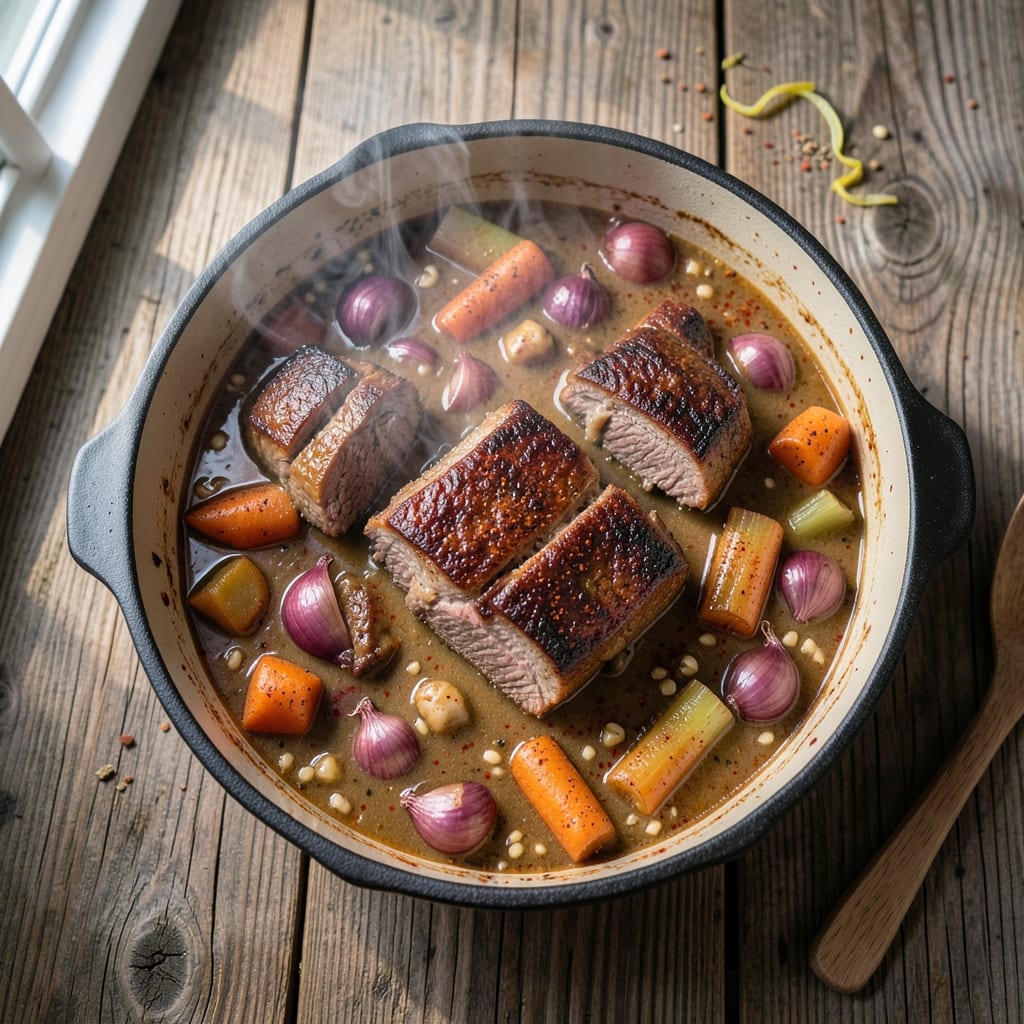
Austrian beef stew brings hearty comfort with every rich, paprika-kissed bite—this recipe delivers restaurant-quality depth using traditional techniques like slow-browning beef and caramelizing root vegetables. The secret lies in layering flavors: sweet paprika, aromatic bay leaves, and a long simmer that transforms tough cuts into tender, melt-in-your-mouth perfection. I developed this version after years of testing, ensuring it stays true to Austrian roots while being foolproof for home cooks.
What sets this stew apart is the balance of textures and flavors: crispy edges on the beef, tender carrots and onions, and a velvety broth thickened naturally through reduction. The key steps—browning the meat in batches and deglazing the pot—create a foundation of deep, savory richness that builds as it simmers. This isn't just a stew; it's a meal that transforms a simple weeknight into a cozy Austrian feast.
By the time you serve it, you'll have a pot of golden-brown beef swimming in a glossy, aromatic broth, with vegetables that caramelize to sweet perfection. The aroma alone will have everyone gathering at the table, and the first bite delivers layers of smoky paprika, tender meat, and earthy root vegetables. Serve with crusty bread or fluffy dumplings to soak up every last drop of that flavorful broth.
This recipe works equally well for a family dinner or a special occasion—just scale the ingredients as needed. The beauty of Austrian beef stew is its versatility: it reheats beautifully for leftovers and tastes even better the next day as flavors meld. Let's create a dish that tastes like home, no matter where you are.
Ingredients for austrian beef stew
Six hearty ingredients kick off this deep, paprika-kissed Austrian beef stew.
| Ingredient | Amount | Notes |
|---|---|---|
| Beef Chuck Roast 🥩 | 3 lb | Cut into 1.5-inch cubes |
| Yellow Onions 🧅 | 2 whole | Sliced into 1/2-inch rounds |
| Carrots 🥕 | 4 whole | Cut into 1-inch chunks |
| Celery Stalks 🌿 | 4 whole | Cut into 1-inch pieces |
| Garlic Cloves 🧄 | 6 cloves | Minced for depth |
| Sweet Paprika 🌶️ | 2 tbsp | Hungarian preferred |
| Smoked Paprika 🌶️ | 1 tbsp | For smoky richness |
| Tomato Paste 🍅 | 2 tbsp | Squeeze tube works |
| Beef Broth 💧 | 4 cups | Low-sodium preferred |
| Red Wine 🍷 | 1 cup | Bold dry red (Cabernet) |
| Bay Leaves 🌿 | 2 whole | Fresh if possible |
| Thyme Sprigs 🌿 | 4 whole | Fresh or dried |
| Salt 🧂 | 2 tsp | Kosher or sea salt |
| Black Peppercorns 🌶️ | 1 tsp | Freshly cracked |
| All-Purpose Flour 🌾 | 1 tbsp | For thickening |
The beef is non-negotiable—chuck roast delivers that melt-in-your-mouth texture after hours of simmering. Costco or Whole Foods usually carry it pre-cut, but if you're buying a whole roast, ask the butcher to cube it for you. Look for good marbling—those little fat flecks are what make the stew so rich. The onions, carrots, and celery form your 'holy trinity' of aromatics; buy organic if possible to avoid dirt hitching a ride in your stew. Fresh thyme and bay leaves add layers of aroma—dried works in a pinch, but fresh is worth the extra minute to tie a bundle.
No Hungarian paprika? Regular sweet paprika plus a pinch of smoked paprika gets you close. Running low on red wine? Beef broth with a splash of balsamic vinegar mimics the depth. The tomato paste can be the squeeze-tube kind—Trader Joe's has the best—or a small can. For the flour, King Arthur or Bob's Red Mill are reliable brands. If you're making this ahead, the flour can wait until the final 30 minutes of cooking. And pro tip: toast your flour in the pot for 30 seconds before adding liquid—it deepens the flavor like magic.
This stew tastes even better the next day, so make a double batch if you can. Store in an airtight container in the fridge for 4-5 days or freeze for up to 3 months. I like to portion it into individual containers for easy lunches—just reheat with a splash of water or broth. The flavors meld beautifully overnight, so don't rush it. And if you're serving with dumplings, make them fresh the day of—store-bought ones just can't compete.
Why You'll Love This Recipe
- One-Pot Magic: I swear by this recipe—just toss everything in one pot and walk away. The chuck roast practically melts into tender perfection while you chop veggies, and honestly? That’s my kind of cooking.
- Garlic Bomb Depth: Between us, the garlic and slow-cooked onions build layers of flavor you won’t find in instant pot versions. The beef comes out so rich, it’s like every bite is wrapped in a warm hug—no exaggeration.
- Leftovers That Beg: This stew tastes better the next day, and I’m not kidding. My freezer is packed with portions because reheating it is just as easy as making it—no sad, dry meat here, just melt-in-your-mouth goodness.
- Budget-Friendly Feast: A chuck roast stretches for days, and the veggies? Basic pantry staples. I feed my whole family for under $20, and we all fight over the last bowl—no takeout needed.
Step-by-step instructions for Austrian beef stew
Here's how to build this hearty stew with deep paprika flavors and tender beef.
Sear the Beef Chuck Roast Until Deeply Browned
Pat the 3 lb beef chuck roast dry with paper towels—this helps create a better sear. Cut it into 1.5-inch cubes and arrange them in a single layer in a large Dutch oven or heavy pot. Heat 1 tablespoon of olive oil over medium-high heat until shimmering, then add the beef in batches, working in 2-3 minutes per batch to avoid crowding.
Sear each piece for 2-3 minutes per side until deeply browned and coated with a crust. You'll see the edges turn golden brown and the meat release easily from the pan. Transfer the seared beef to a plate and set aside—those browned bits in the pot are pure flavor gold.
Build the Aromatic Vegetable Base
In the same Dutch oven, add the sliced 2 whole yellow onions, cut 4 whole carrots, and chopped 4 whole celery stalks. Cook over medium heat for 8-10 minutes, stirring occasionally, until the vegetables begin to soften and develop color. You'll notice the onions turn translucent and the carrots release their natural sweetness.
Add the minced 6 cloves garlic and cook for another 30 seconds until fragrant. Stir in the 2 tablespoons sweet paprika and 1 tablespoon smoked paprika, letting them toast for 1 minute—they'll release their rich, earthy aroma. This is where the stew gets its signature depth of flavor.
Deglaze and Simmer the Stew
Pour in the 1 cup bold red wine and scrape up all those browned bits from the bottom of the pot with a wooden spoon. Let the wine simmer for 2-3 minutes until reduced by half. Add the 2 tablespoons tomato paste, stirring to combine, then pour in the 4 cups beef broth. Bring everything to a gentle boil.
Add the seared beef back to the pot along with the 2 whole bay leaves and 4 whole thyme sprigs. Season with 2 teaspoons salt and 1 teaspoon freshly cracked black peppercorns. Reduce heat to low, cover, and let it simmer gently for 2 hours, stirring occasionally. The stew should bubble softly—this ensures the beef stays tender without falling apart.
Thicken and Finish the Stew
After 2 hours, check the beef for tenderness. It should be fork-tender but not falling apart. If the stew is too thin, sprinkle the 1 tablespoon all-purpose flour over the top and stir gently to combine. Let it simmer uncovered for another 15-20 minutes to thicken slightly and deepen in flavor.
Remove the bay leaves and thyme sprigs before serving. Taste and adjust seasoning if needed—this is your chance to perfect the balance of paprika, wine, and herbs. The stew should be rich, slightly thick, and packed with tender beef and caramelized vegetables. Serve warm with crusty bread to soak up every last drop of that delicious sauce.
Pro Tips For Making Austrian Beef Stew
- Sear the Chuck Hard: High heat. Seriously, crank it up to medium-high and let that beef chuck roast develop a deep brown crust before you even think about adding liquid. I used to rush this step, and the stew always tasted flat—now I give it 4-5 minutes per side until it’s got that caramelized armor. That’s where the flavor hides.
- Slice Onions Like a Pro: Cut those yellow onions into even ½-inch chunks—not too thick, not too thin. Too big and they’ll stay crunchy; too small and they’ll turn to mush. I learned this the hard way after serving a stew with sad, undercooked onion bits. A sharp knife and a steady hand make all the difference here.
- Don’t Crowd the Pot: Start with a heavy Dutch oven and add the beef, onions, carrots, and celery in a single layer. If you pile everything in at once, the veggies steam instead of caramelize, and the beef won’t brown properly. I was skeptical until I tried it—now I resist the urge to cram the pot, even when it looks half-empty.
- Deglaze with Beer First: After browning the beef, hit the pot with ½ cup of dark beer (like a doppelbock or stout) before adding broth. The alcohol burns off, but the maltiness deepens the sauce’s richness. I skip this when I’m lazy, but the dish is noticeably better when I don’t—it’s the thing that makes the stew taste Austrian and not just "beef in a pot."
Common mistakes when making this recipe
Skipping the Sear
Skipping the sear is the most common mistake I see, and it robs your stew of its foundational depth. Those golden-brown crusts on the beef and the caramelized bits stuck to the pot are where the Maillard reaction happens—creating complex, savory flavors. If you're in a rush, at least brown the beef in batches over medium-high heat for 2-3 minutes per side. No sear? Your stew will taste flat and one-dimensional. 🔥
Overcrowding the Pot
Adding all the beef at once leads to steaming instead of searing, which means pale, undercooked meat and a watery broth. Work in batches, giving each piece space to develop that flavorful crust. A 12-inch cast iron Dutch oven is perfect for this recipe—it gives you enough room to sear properly without overcrowding. If your pot is too small, cook the beef in a separate skillet first, then transfer it to the stew pot.
Rushing the Simmer
Low and slow is non-negotiable for tender beef. If you crank the heat too high, the beef will toughen up instead of melting. Maintain a gentle simmer at 180-200°F—just enough to keep bubbles rolling softly. I've seen people walk away from the stove and return to find their stew boiling vigorously, which breaks down the meat fibers. Use a meat thermometer to check the internal temperature of the beef after 2 hours—it should read 203°F.
Ignoring the Deglaze
Those browned bits stuck to your pot are called fond, and they're packed with flavor. When you add the wine, scrape them up with a wooden spoon—this creates a rich, velvety base for your stew. Skipping this step means missing out on layers of depth. Use a bold red wine like Cabernet Sauvignon—it stands up to the paprika and beef. If you're avoiding alcohol, beef broth with a splash of balsamic vinegar works in a pinch.
Adding Salt Too Early
Salting the beef before searing draws out moisture, which prevents proper browning. Instead, add the 2 teaspoons of salt after the beef returns to the pot during the simmering phase. This allows the meat to develop its crust first. Taste as you go—you might need to adjust seasoning at the end, especially if you used low-sodium broth. A pinch of black pepper at the end brightens the flavors beautifully.
Overthickening the Stew
Adding too much flour can make your stew gummy and pasty. The 1 tablespoon of flour should just barely thicken the broth—think of it as a gentle nudge, not a dramatic transformation. If your stew is still too thin after simmering uncovered for 15-20 minutes, reduce it longer instead of adding more flour. The natural reduction from simmering will give you the perfect consistency without overpowering the dish. 💡
Nutrition facts
Frequently asked questions
Can I use a different cut of beef for this stew?
Yes, but chuck roast is ideal for its fat content and tenderness when slow-cooked. Brisket or stew meat work well too—just trim excess fat and cut into 1.5-inch cubes. Avoid lean cuts like sirloin, as they'll dry out during the long simmer. If using a tougher cut, increase simmering time to 2.5 hours for maximum tenderness.
What's the best way to reheat leftovers?
Reheat gently on the stove over low heat with 1-2 tablespoons of water or broth to prevent drying. Cover and simmer for 10-15 minutes, stirring occasionally. Microwaving works too—just use 30-second intervals on medium power with a splash of liquid. The stew tastes even better reheated as flavors meld further!
How can I make this vegetarian?
Swap the beef for mushrooms (cremini or portobello) and hearty beans like lentils or chickpeas. Increase the paprika to 3 tablespoons for depth, and add 1 teaspoon soy sauce for umami. Simmer for 45 minutes instead of 2 hours. The texture will differ, but the rich, paprika-infused broth remains delicious.
Can I make this in a slow cooker?
Brown the beef first, then transfer everything to the slow cooker. Cook on low for 8 hours or high for 5 hours. The slow cooker's gentle heat ensures tender beef without monitoring. Just skip the flour thickening—let the natural reduction happen during simmering. Add it only if needed at the end.
What sides pair best with this stew?
Crusty sourdough bread is a must for soaking up the broth. For a traditional Austrian touch, serve with spätzle (egg noodles) or potato dumplings. A simple green salad with a tangy vinaigrette cuts through the richness. The stew's heartiness makes it a complete meal on its own, but these additions elevate it further.