
Main Courses
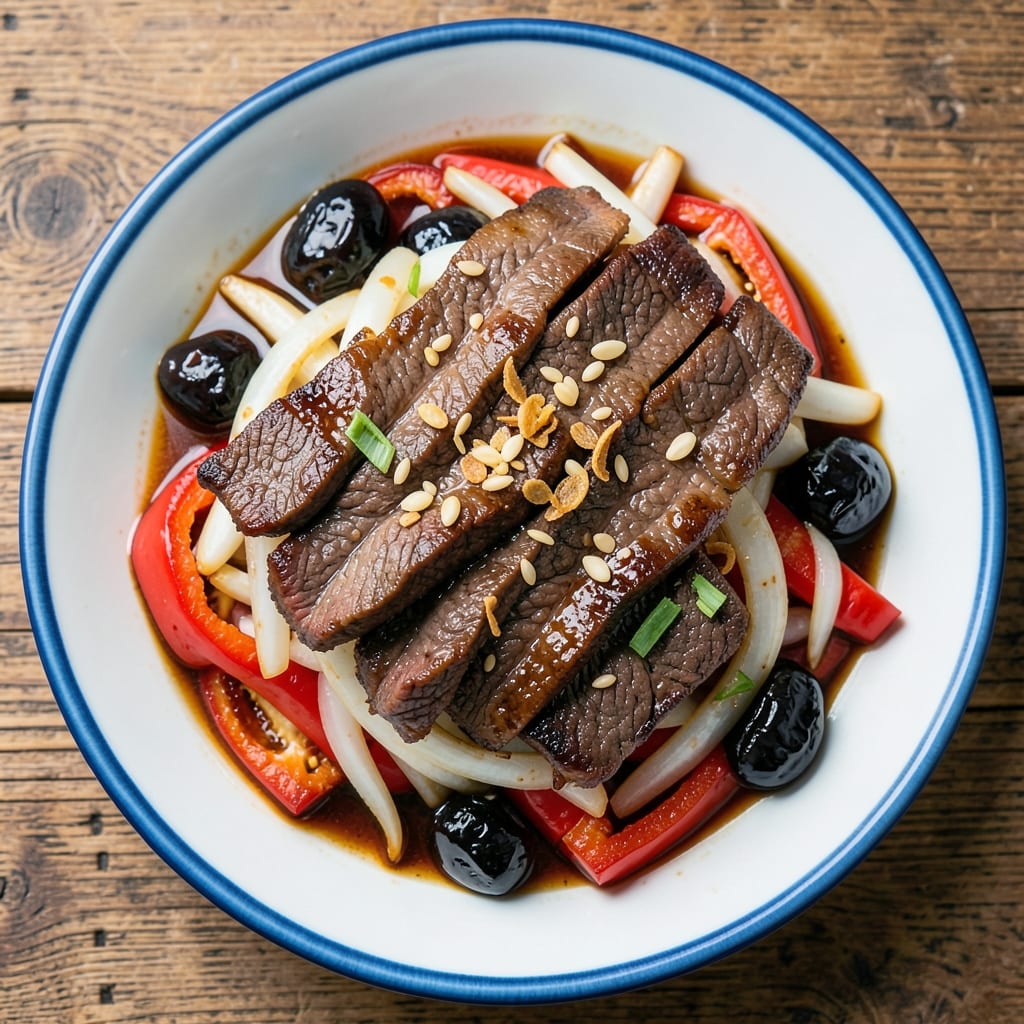
This authentic Chinese beef stir-fry delivers restaurant-quality caramelized bites with a smoky, savory depth that only high-heat wok technique can achieve. The secret lies in proper marinating, precise slicing, and mastering the stir-fry process to develop that coveted wok hei—smoky aroma that defines authentic Chinese cooking. I've refined this recipe over years of testing, balancing traditional methods with home-cook-friendly adaptations that still honor the dish's roots.
The foundation starts with tender beef slices marinated in a blend of soy sauce, Shaoxing wine, and cornstarch for that signature crisp-tender texture. Fresh ginger, garlic, and scallions form the aromatic base, while a sauce made from dark soy, fermented black beans, and a touch of sugar creates the deep umami flavor profile characteristic of regional Chinese stir-fries. The high-heat technique ensures the beef develops a caramelized crust while staying juicy inside.
What you'll end up with is a vibrant stir-fry where each bite delivers perfectly seared beef with crisp vegetables, all coated in a glossy, flavorful sauce. The dish maintains its authenticity while being adaptable—serve it over steamed jasmine rice, garnished with sesame seeds and scallions, or pair it with egg noodles for a heartier meal. This recipe bridges tradition and home cooking seamlessly.
The key to success lies in proper preparation and timing—marinating the beef, prepping all ingredients before cooking, and maintaining that high heat throughout. Let's walk through each step to create a stir-fry that captures the essence of Chinese home cooking while being achievable in your own kitchen.
Ingredients for authentic chinese beef stir fry
Mastering this authentic Chinese beef stir-fry hinges on precise ingredients and technique—each component designed for restaurant-quality caramelized flavor.
| Ingredient | Amount | Notes |
|---|---|---|
| Flank Steak 🥩 | 1 ½ lb | Thinly sliced against grain |
| Soy Sauce 🥫 | ½ cup | High-quality, preferably Japanese |
| Shaoxing Wine 🍷 | ¼ cup | Substitute dry sherry if unavailable |
| Cornstarch 🌾 | 2 tbsp | For crisp-tender texture |
| Fresh Ginger 🧄 | 1 tbsp | Finely minced |
| Garlic Cloves 🧄 | 4 cloves | Minced into paste |
| Scallions 🧅 | ¼ cup | White and green parts, sliced |
| Dark Soy Sauce 🥫 | 1 tbsp | For color and depth |
| Fermented Black Beans 🌱 | ¼ cup | Rinsed and chopped |
| Granulated Sugar 🍚 | 1 tsp | Balances umami |
| Vegetable Oil 🫒 | ½ cup | High smoke point |
| Bell Peppers 🌶️ | 1 whole | Red or green, sliced |
| Baby Bok Choy 🥬 | 4 whole | Quartered |
| Sesame Seeds 🌰 | 1 tbsp | Toasted for garnish |
| Jasmine Rice 🍚 | 2 cups | Uncooked, for serving |
The flank steak is non-negotiable for this dish—its lean texture becomes tender when sliced against the grain. Look for USDA Choice or Prime at Whole Foods or your local butcher for optimal marbling. If pre-sliced isn't available, invest in a sharp knife and slice it yourself—thin, even strips are critical. The fermented black beans are the secret to authentic umami; Asian markets carry them in jars or dried form. For Shaoxing wine, Trader Joe's offers a reliable substitute if you can't find it, but traditional Chinese markets will have the real deal. The dark soy sauce adds that signature glossy sheen—don't confuse it with regular soy sauce, which is lighter in color.
No Shaoxing wine? Dry sherry works in a pinch, though it lacks the depth. The cornstarch is essential for that crisp-tender texture—substituting arrowroot won't give the same wok hei effect. For the ginger and garlic, fresh is mandatory; powdered versions lack the aromatic punch. If you're short on time, pre-minced garlic from the refrigerated section works, but fresh minced is superior. The bell peppers can be swapped for broccoli or snap peas if you prefer, but keep portions equal to maintain balance. For those avoiding gluten, ensure your soy sauces are tamari-based, though traditional recipes rely on wheat-based versions for authenticity.
Prep all ingredients before cooking—this isn't a dish where you can improvise timing. The marinated beef should rest for at least 20 minutes before cooking to maximize tenderness. Store leftover stir-fry in an airtight container for 3-4 days in the fridge, though it's best enjoyed fresh. For reheating, use a wok or skillet over medium heat with a splash of water to restore moisture. The jasmine rice should be cooked separately and served alongside—steaming it in a rice cooker yields the perfect fluffy texture to complement the stir-fry's bold flavors. Freeze portions in single-serving containers for up to 3 months, though texture may slightly degrade after thawing.
Why You'll Love This Recipe
- Fewer Ingredients, Bigger Impact: Honestly, you only need five core things—flank steak, soy sauce, Shaoxing wine, cornstarch, and ginger—and it still packs the punch of a restaurant dish. No hidden pantry raids or last-minute grocery runs.
- Umami Bomb in Every Bite: That Shaoxing wine and soy sauce combo? It’s like a flavor explosion—deep, savory, and just a little sweet. The cornstarch gives the beef that perfect crispy-tender texture, so you get both chew and crunch.
- Leftover Goldmine: Between us, this dish tastes better the next day. Reheat it with a splash of water, and the flavors meld even more. I’ve fed a crowd with leftovers—no one ever guessed.
- Weeknight Hero: Slice the steak thin, toss it in the marinade while you chop veggies (if you’re using them), and you’re done in 20 minutes. One pan, no fuss, and it’s ready when you are. (Yes, even on a Tuesday night.)
Step-by-step instructions for authentic Chinese beef stir fry
Master the high-heat wok technique that creates caramelized beef bites and vibrant vegetables.
Prepare the Beef for Maximum Tenderness
Slice the 1.5 lb flank steak thinly against the grain using a sharp knife. You want slices about ⅛-inch thick—this ensures they cook quickly and remain tender. Place the sliced beef in a bowl and add the 2 tbsp cornstarch, tossing to coat evenly. This creates a light barrier that prevents the beef from toughening during the high-heat stir-fry.
In a separate small bowl, combine the 0.5 cup soy sauce, 0.25 cup Shaoxing wine, 1 tbsp dark soy sauce, 1 tsp granulated sugar, 1 tbsp minced fresh ginger, and 4 cloves minced garlic. Mix well, then pour over the cornstarch-coated beef. Let it marinate for at least 20 minutes (or up to 2 hours in the refrigerator). This step infuses the beef with deep umami flavor and tenderizes it further.
Prep Vegetables and Build Flavor Layers
Slice the 1 whole bell pepper into thin strips, discarding the stem and seeds. Quarter the 4 whole baby bok choy, separating the leaves from the stems if they're large. Rinse the 0.25 cup fermented black beans and chop them coarsely. Thinly slice the 0.25 cup scallions, keeping the white and green parts separate for garnish.
In a small bowl, toast the 1 tbsp sesame seeds in a dry skillet over medium heat for 1-2 minutes until golden and fragrant. Set aside for garnishing later. The vegetables should be prepped and ready to go—this is classic Chinese mise en place—so you can cook everything in rapid succession.
Stir-Fry the Beef to Perfect Doneness
Heat a wok or large skillet over high heat until it's smoking hot. Add 0.5 cup vegetable oil and swirl to coat the bottom evenly. Once the oil shimmers, add the marinated beef in a single layer. Let it sear undisturbed for 1-2 minutes until the edges turn golden brown and the beef releases easily from the pan.
Stir-fry the beef vigorously for 2-3 minutes until it's 80% cooked but still slightly pink in the center. Remove the beef from the wok and set it aside on a plate. The high heat and quick cooking prevent the beef from overcooking into toughness. If the beef sticks, add a splash of water to deglaze and scrape up any browned bits—they're packed with flavor.
Stir-Fry Vegetables in the Beef's Flavorful Oil
In the same wok, add a bit more oil if needed and increase the heat back to high. Add the fermented black beans and stir-fry for 30 seconds until heated through. Add the bell peppers and stir-fry for 1 minute until they begin to soften slightly. Toss in the baby bok choy and stir-fry for another 1-2 minutes until the leaves wilt and the stems turn bright green.
Return the beef to the wok and toss everything together for 1 minute. The residual heat will finish cooking the beef while absorbing the flavors of the vegetables. Taste and adjust seasoning if needed—you may need a splash more soy sauce or a pinch of sugar to balance the flavors. The dish should be vibrant, slightly sweet, and deeply savory.
Serve Over Steamed Jasmine Rice
Cook the 2 cups jasmine rice according to package instructions until fluffy and steamed. Divide the rice among serving plates and top each portion with the beef and vegetable stir-fry. Garnish with the toasted sesame seeds and sliced scallions for color and texture. Serve immediately while the vegetables are still crisp-tender and the beef retains its juicy bite.
This stir-fry captures the essence of authentic Chinese wok cooking—high heat, quick cooking, and layers of umami flavor. The caramelized beef bites contrast beautifully with the vibrant vegetables, creating a dish that's both restaurant-quality and deeply satisfying.
Pro Tips For Making Authentic Chinese Beef Stir Fry
- Slice Thin, Slice Even: Flank steak fights back when it’s uneven—some pieces overcook, others stay raw. Use a sharp knife and slice against the grain into paper-thin strips (about ⅛-inch thick). If it feels like cheating to measure, hold up a credit card next to your slices—if they’re thicker, you’re doing it wrong.
- Marinate Meat, Not Sauce: Tossing the beef in soy sauce and Shaoxing wine after cooking is lazy. Thinly slice the steak, then marinate it for 15–20 minutes in a mix of 1 tablespoon soy sauce, 1 tablespoon Shaoxing wine, and a pinch of cornstarch (yes, in the marinade). This locks in flavor and gives that signature glossy sheen without turning the sauce into soup.
- High Heat, No Crowding: I learned this the hard way—low heat = rubbery beef. Crank your wok or pan to max heat, add just enough oil to coat the bottom (about 2 tablespoons), and cook the beef in a single layer. If you’re cramming it in, the meat will steam instead of sear, and your stir-fry will taste like it came from a sad weeknight.
- Cornstarch Slurry, Not Dry Rub: Dumping cornstarch on raw beef does nothing. Mix 1 tablespoon cornstarch with 2 tablespoons cold water to make a slurry, then toss it with the cooked beef off the heat. The starch needs liquid to activate, and adding it straight to the pan just burns. Stir it in quickly—you’ve got 10 seconds before the sauce thickens.
Essential equipment for this recipe
Wok Essentials
A carbon steel wok is my top recommendation for authentic stir-fry results—it heats up quickly and retains high temperatures perfectly. Look for a 14-inch wok with a flat bottom for stovetop use, like the Made In wok from Williams Sonoma. If you don't have a wok, a heavy-bottomed cast iron skillet (like Lodge) works almost as well. The key is getting that smoking-hot surface—this is what creates the signature wok hei aroma. 🔥
High-Heat Tools
You'll need a long-handled spatula (I use a 16-inch bamboo or heatproof silicone one) to stir-fry efficiently without burning your hands. A tongs set with one long and one short handle helps toss ingredients while keeping everything in the wok. For prepping, a sharp chef's knife (like Wüsthof) is non-negotiable—thin, even slices are crucial for quick cooking. Don't forget a fine-mesh strainer if you need to rinse ingredients like fermented black beans.
Oil Control
Invest in a high-smoke-point oil like avocado or peanut oil—they can handle the intense heat without burning. I measure oil with a small ladle (about ½ cup) to ensure even distribution. A wire whisk comes in handy for quickly stirring sauces or deglazing the wok when beef sticks. For precise temperature control, a laser thermometer (like Kizen) helps monitor the wok's heat—ideal range is 450-500°F for that perfect sear. ⚡
Prep Station
Organize your workspace with a large cutting board (I prefer teak or bamboo for grip) and a small prep bowl for marinating. A microplane speeds up ginger and garlic prep, while a small colander handles rinsing beans or greens. For timing, a kitchen timer with a loud alarm ensures you don't overcook the beef—every second counts in stir-frying. Keep a small bowl of water nearby to splash into the wok if needed for deglazing or preventing sticking.
Garnish Kit
Toasted sesame seeds and sliced scallions are the finishing touches that elevate the dish. I toast seeds in a small dry skillet over medium heat until golden, then transfer to a small bowl for easy garnishing. A pair of kitchen shears makes quick work of scallion slicing. For presentation, a large serving platter (like Le Creuset) keeps everything warm while plating. Don't overlook a small sauce dish for any extra sauce—it's always appreciated at the table. 💫
Nutrition facts
Frequently asked questions
Can I substitute flank steak with another cut of beef?
Yes, but choose cuts with similar texture. Sirloin or ribeye work well when sliced thinly against the grain. Avoid fatty cuts like ribeye or chuck—they release too much fat during stir-frying. For leaner options, top round is fine but may need slightly longer marinating (30 minutes) to prevent dryness.
What's the secret to getting that smoky wok hei flavor?
The key is high heat and proper oil control. Use a carbon steel wok (or cast iron skillet) and heat it until it's smoking hot before adding oil. Keep the wok moving constantly and avoid overcrowding—this creates steam that carries flavor. A splash of water can also help release stuck bits, adding to the aroma.
How do I adjust this for spicier Sichuan-style flavors?
For Sichuan heat, add 1 tbsp chili bean paste (doubanjiang) and ½ tsp Sichuan peppercorns (lightly toasted and crushed) to the marinade. Stir-fry with 1 tsp chili oil at the end. Balance with extra sugar (up to 2 tsp) to counteract the heat. Serve with pickled vegetables on the side for authenticity.
Can I make this ahead of time?
While best served fresh, you can prep components ahead: marinate the beef (up to 4 hours in fridge), chop all veggies, and toast sesame seeds. Store separately in airtight containers. Cook within 24 hours—reheat over medium-high heat with a splash of water to restore moisture. The beef may dry out if reheated multiple times.
What if my beef turns out tough?
Tough beef usually means overcooking or improper slicing. Always slice against the grain and cook on high heat for 3-4 minutes total. For extra tenderness, marinate longer (2+ hours) or add 1 tsp baking soda to the marinade (rinse before cooking). Using cornstarch (as in the recipe) also helps create that crisp-tender texture.