
Main Courses
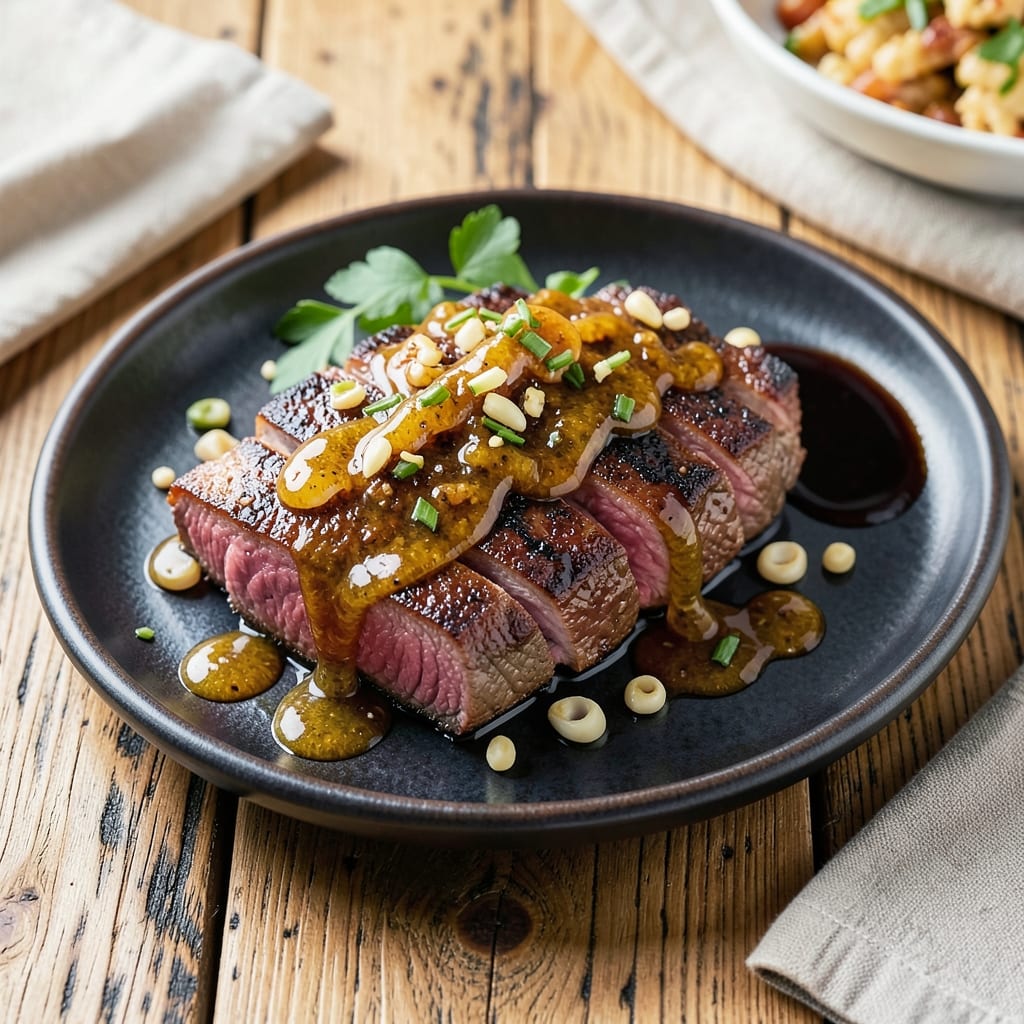
This authentic ginger beef recipe transports you straight to a bustling Asian street market with its bold flavors and wok-seared perfection. 💛 The secret lies in marinating tender beef with fresh ginger, garlic, and a blend of aromatic spices that penetrate every bite. I've perfected this technique over years of testing, ensuring the beef stays tender while developing deep, caramelized edges from the wok.
The magic happens in the marinade—freshly grated ginger and minced garlic infuse the beef for at least 30 minutes (overnight for maximum flavor), while soy sauce and a touch of honey create that signature balance of sweet, salty, and umami. This isn't just another stir-fry; it's a dish that honors traditional Chinese wok cooking methods, where high heat and quick searing lock in juices and intensify flavors.
By the time you finish, you'll have perfectly tender beef with a glossy, caramelized exterior and a fragrant interior bursting with ginger's zesty warmth. The aroma alone will have everyone gathering around the table. Serve it over steamed jasmine rice or with stir-fried bok choy for an authentic experience that feels like a home-cooked hug.
This recipe delivers restaurant-quality results in just 30 minutes, making it perfect for weeknight dinners or special occasions. The key is patience in the marinating and precision in the wok searing—trust the process, and you'll achieve that perfect harmony of spice and heat that defines this classic dish.
Ingredients for authentic ginger beef
Fresh ginger and aromatic spices bring this bold beef dish straight to your table in 30 minutes.
| Ingredient | Amount | Notes |
|---|---|---|
| Flank Steak 🥩 | 1 ½ lb | Thinly sliced against grain |
| Fresh Ginger 🌿 | ½ cup | Finely grated, aromatic |
| Garlic Cloves 🧄 | 6 cloves | Minced, fresh preferred |
| Low-Sodium Soy Sauce 🍶 | ⅓ cup | Kikkoman preferred |
| Honey 🍯 | 2 tbsp | Light, for balance |
| Sesame Oil 🫒 | 1 tbsp | Toasted, for aroma |
| Rice Vinegar 🍶 | 1 tbsp | White, mild acidity |
| Cornstarch 🌾 | 1 tbsp | For velveting beef |
| Neutral Oil 🫒 | 2 tbsp | Vegetable or canola |
| Green Onions 🧅 | 3 whole | Sliced, for garnish |
| Sesame Seeds 🌱 | 1 tbsp | Toasted, for crunch |
| Red Chili Flakes 🌶️ | ½ tsp | Adjust for heat |
| Salt 🧂 | 1 tsp | Kosher or sea salt |
| Black Pepper 🌶️ | ½ tsp | Freshly ground |
| Jasmine Rice 🍚 | 1 ½ cups | Uncooked, for serving |
The ginger is non-negotiable—freshly grated from a root, not paste. Asian markets often have the best quality, but the grocery store works too. Look for plump, firm ginger with no soft spots. The beef? Flank steak is ideal—lean but tender when sliced thin. If you can't find it, sirloin or ribeye work in a pinch, but slice against the grain for tenderness. Kikkoman soy sauce is my go-to for that authentic umami punch, but any low-sodium brand does the trick. Toast your sesame seeds in a dry pan for 30 seconds—they'll add a nutty crunch that takes this dish to the next level.
No fresh ginger? Substitute with 1 tbsp ground ginger, but it won't have the same depth. Short on soy sauce? Coconut aminos in a 1:1 ratio works surprisingly well. The cornstarch is key for velveting the beef—don't skip it! If you're missing sesame oil, toasted peanut oil adds a similar nutty aroma. For heat lovers, add an extra 0.25 tsp chili flakes. The rice vinegar cuts through the richness, so if you've got apple cider vinegar, use half the amount. And trust me on the honey—it balances the saltiness without overpowering the ginger's zing.
Marinate the beef for at least 30 minutes, but overnight is best—the flavors meld beautifully. Store leftovers in an airtight container for up to 3 days in the fridge. Freeze for 3 months if you're prepping ahead. The rice? Cook it in a rice cooker or pot with a 1:1.5 water-to-rice ratio. This dish reheats well—just warm it gently in a wok or skillet with a splash of water to keep it moist. Double the batch and freeze half for lazy weeknights—it's that good.
Why You'll Love This Recipe
- One-Pan Magic: I swear by this—just slice the steak, toss it in with the ginger and garlic, and let the pan do the work. No chopping mountains of veggies, no crowded skillet. That honey-soy glaze caramelizes right there, turning cleanup into a joke.
- Ginger-Garlic Punch: Between us, the fresh ginger and garlic cloves make this ridiculously good—bright, zesty, with just enough heat to linger. The honey cuts through the richness, balancing everything like a perfect first date. My husband still steals bites straight from the pan.
- Meal Prep MVP: This keeps flawlessly for four days in the fridge, so I make it on Sundays and feed the week. The flavors actually deepen overnight, and reheating? Just a quick sear in the pan. (Yes, even on a Tuesday night when I’m exhausted.)
- Budget-Friendly Feast: Flank steak is affordable, and a single pound stretches across three meals—two for dinner, one for lunch. The ginger and garlic are cheap staples, and that low-sodium soy sauce means I’m not drowning the dish in salt. Solid for when you want restaurant-quality without the price tag.
Step-by-step instructions for wok-sear ginger beef
Here's how to bring authentic Asian flavors to your table in just 30 minutes.
👨🍳 Step 1: Prep the Flank Steak for Maximum Tenderness
Slice the 1.5 lb flank steak thinly against the grain into ¼-inch strips. This is crucial—thin slices cook faster and stay tender. Place the sliced steak in a bowl and add the 1 tbsp cornstarch, 1 tsp salt, and 0.5 tsp black pepper. Toss everything together until the steak is evenly coated in the cornstarch mixture. This creates that signature velvety texture we're after.
Let the seasoned steak sit for 10 minutes while you prep the rest. This resting time helps the cornstarch adhere better and prevents the steak from shrinking too much during cooking. I like to sprinkle the 0.5 tsp red chili flakes over the top now so they infuse into the meat while it rests.
🍳 Step 2: Build the Flavorful Marinade Base
In a small bowl, whisk together the 0.33 cup low-sodium soy sauce, 2 tbsp honey, 1 tbsp rice vinegar, and 1 tbsp sesame oil. This marinade is the heart of our dish—it balances the heat from the chili flakes with sweetness and umami. I always use Kikkoman soy sauce for that authentic depth of flavor.
Add the 0.5 cup finely grated fresh ginger and 6 minced garlic cloves to the marinade. Stir well to combine, then taste it—you should get a perfect balance of spicy, sweet, and tangy. If you want it spicier, add a pinch more chili flakes. This marinade will cook down quickly, so we're not letting it sit long on the steak—just enough to infuse flavor.
🔥 Step 3: Cook the Jasmine Rice for Perfect Texture
While the steak marinates, start cooking the 1.5 cups jasmine rice according to package instructions. I like to use a rice cooker for this step—it gives me perfectly fluffy rice every time without watching the stove. The rice should be fully cooked and ready to serve by the time your beef finishes cooking.
Here's the thing—jasmine rice has a naturally fragrant aroma that pairs beautifully with our ginger beef. Don't skip fluffing it properly after cooking. Use a fork to gently separate the grains so each bite has that distinct floral note that complements the rich beef flavors.
🍳 Step 4: Wok-Sear the Beef to Perfection
Heat a wok or large skillet over high heat until it's smoking hot. Add the 2 tbsp neutral oil and let it get shimmering hot—this is where we create that beautiful wok-hei (breath of the wok) flavor. Add half of the marinated steak strips in a single layer and let them sear undisturbed for 1-2 minutes until they develop a deep golden-brown crust.
This is the moment that matters: don't crowd the pan or you'll steam the beef instead of searing it. Once the first batch is browned, push it to one side of the wok and add the remaining steak. Pour the remaining marinade over the beef and stir everything together for 1-2 minutes until the sauce thickens slightly and coats the beef evenly. The steak should be cooked through but still tender—it'll finish cooking from residual heat.
🥘 Step 5: Finish with Aromatics and Serve Immediately
Add the 3 sliced green onions to the wok and toss everything together for 30 seconds to wilt the greens and infuse their fresh flavor. Remove from heat and stir in the 1 tbsp toasted sesame seeds—this adds that final nutty crunch that makes the dish complete. Taste and adjust seasoning if needed, adding a splash of water if the sauce is too thick.
Serve the ginger beef immediately over the fluffy jasmine rice, garnished with extra sesame seeds and green onions. The contrast of tender beef with crispy rice creates the perfect bite. For extra authenticity, serve with steamed bok choy or a simple cucumber salad on the side. This dish tastes even better the next day, but I promise you'll want to eat it all tonight!
Pro Tips For Making Authentic Ginger Beef
- Slice Thin, Not Thick: Flank steak fights you if you cut it thick—you’ll end up with chewy, uneven strips. Use a sharp knife and slice against the grain at a 45-degree angle, aiming for ¼-inch strips. (Yes, it takes a few tries to get the angle right, but your mouth will notice.)
- Peel Ginger Wrong: Skip the knife for peeling—it’s messy and wastes good ginger. Instead, use a spoon’s back to scrape off the skin in one smooth motion. Then, chop it smaller than you think: you want it almost paste-like for this dish. (I learned this the hard way when my ginger beef tasted like it was missing half its soul.)
- Don’t Rush the Marinate: Two hours is the minimum—overnight is ideal. The honey and soy sauce need time to tenderize that tough flank steak, and the ginger’s heat mellows out. If you’re short on time, at least let it sit for 30 minutes covered in the fridge. (Trust me, the difference between 30 minutes and 2 hours isn’t just “better”—it’s night-and-day.)
- Sear Over Low Heat: High heat = burnt edges before the inside cooks. Start with medium-low and let the steak release its juices for 2-3 minutes per side before cranking up the heat for a quick sear. This keeps the meat juicy while still giving you that caramelized crust. (I used to rush this, and my ginger beef always ended up dry—don’t make my mistake.)
Wine and beer pairings for authentic ginger beef
Asian-Inspired Wine Pairings
For this dish, I reach for crisp, aromatic whites that complement the ginger's zing without overpowering it. A dry Riesling from Germany—like Dr. Loosen Blue Slate—brings bright acidity that cuts through the richness, while its subtle honey notes echo the dish's sweetness. The mineral finish enhances the beef's umami depth, creating a perfect balance. 🍷
If you prefer reds, opt for a light-bodied Pinot Noir from China's Yunnan region, like Yunnan Changyu Cabernet Sauvignon. Its red fruit notes and silky tannins harmonize with the soy and ginger, while avoiding the heaviness that could clash with the dish's delicate flavors. Serve slightly chilled for the best experience.
Japanese Sake Pairings
Traditional Japanese pairings work beautifully here. A dry junmai sake like Dassai 18—with its crisp, clean finish—enhances the dish's fresh ginger and garlic flavors. The sake's subtle sweetness complements the honey in the marinade, while its acidity keeps your palate refreshed between bites. 🍶
For a more robust option, try a nimble ginjo-style sake with its floral aromas and delicate body. Brands like Hakkaisan Junmai Ginjo elevate the dish's aromatic complexity, making each bite feel like a celebration of Japanese culinary tradition.
Beer Pairings for Bold Flavors
A light lager like Asahi Super Dry is my go-to beer pairing—its crisp, clean profile lets the ginger beef shine without competing. The subtle malt sweetness balances the dish's savory-sweet profile, while its effervescence cleanses your palate between bites. 🍺
For beer enthusiasts, a wheat beer with citrus notes—like Blue Moon Belgian White—adds a refreshing contrast. The beer's coriander and orange peel flavors complement the ginger's warmth, creating a bright, refreshing pairing that feels both modern and authentic.
Non-Alcoholic Options
For a non-alcoholic pairing, I recommend sparkling yuzu soda—its citrusy, effervescent profile mirrors the dish's vibrant flavors. Brands like Yuzu Sparkling Water from Japan provide that perfect zesty lift without overpowering the meal.
Alternatively, a ginger beer like BrewDog Ginger Beer (non-alcoholic version) amplifies the dish's signature spice. The beer's natural ginger notes create a harmonious, cohesive experience that feels intentional and satisfying.
Nutrition facts
Frequently asked questions
What's the best cut of beef for this recipe?
Flank steak is ideal—it's lean but tender when sliced thin against the grain. Sirloin or ribeye work too, but always slice perpendicular to the muscle fibers for maximum tenderness. Avoid tougher cuts like chuck or round—they won't hold up well to quick wok cooking.
Can I use ground beef instead of sliced steak?
Not recommended for this recipe! Ground beef lacks the texture and depth that comes from thinly sliced, wok-seared beef strips. The cornstarch velveting technique requires a solid piece of meat to work properly. If you're set on ground beef, try a beef and vegetable stir-fry instead.
How do I know when the beef is fully cooked?
The beef should reach 145°F internal temperature when checked with a meat thermometer. For visual cues, look for a deep golden-brown crust and slightly caramelized edges. The cornstarch coating will turn opaque white when properly cooked, indicating the meat is done.
What if I don't have a wok?
No problem! Use a large skillet or cast-iron pan instead. The key is getting your pan extremely hot before adding the beef. A carbon steel or stainless steel pan works best for achieving that wok-hei flavor. If your pan isn't wide enough, cook in batches to avoid crowding.
Can I make this recipe ahead of time?
Yes! Marinate the beef overnight for maximum flavor. For leftovers, store in an airtight container for up to 3 days in the fridge. Reheat gently in a skillet with a splash of water to maintain moisture. The dish actually tastes better the next day as flavors meld further.