
Soups & Stews
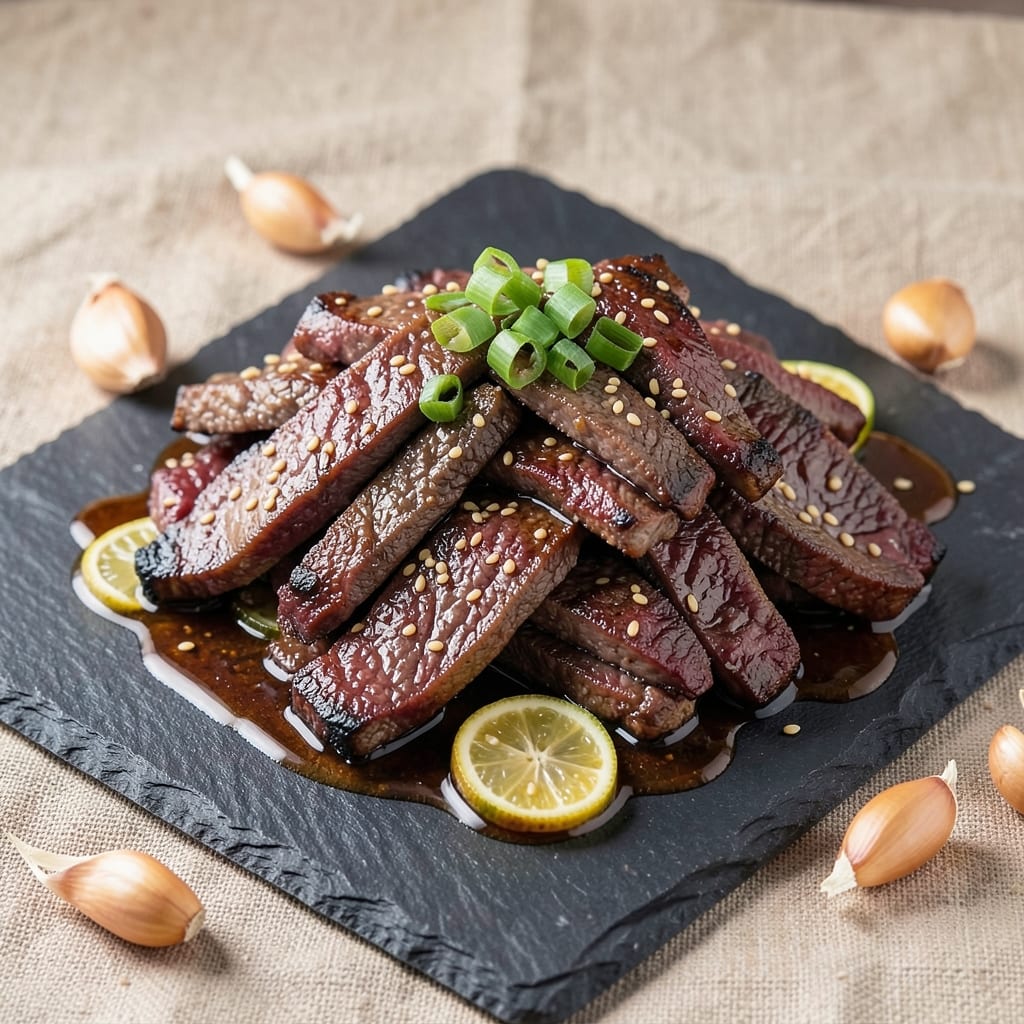
This authentic Spicy Mongolian Beef delivers the bold, balanced flavors of a classic Chinese wok house dish—silky-sauced beef cubes that stay tender yet pack a fiery kick. 🔥 The secret lies in a soy-based marinade with star anise and Sichuan peppercorns, which infuses the beef with deep, aromatic heat before a quick wok sear locks in the flavors. Unlike heavy sauces, this recipe achieves its signature spice through careful spice blooming and a glossy, tangy glaze that clings perfectly to bite-sized beef pieces.
The technique mirrors traditional Mongolian beef preparation, where thinly sliced beef is marinated in a savory-sweet soy base before being stir-fried at high heat. This creates that coveted wok hei—the smoky aroma and charred edges that define authentic Chinese wok cooking. The sauce, reduced with a touch of honey and vinegar, balances the heat with umami richness, while a splash of sesame oil adds nutty depth at the finish. Every element works together to deliver restaurant-quality results at home.
What sets this apart is the texture: tender beef that holds its shape yet melts in your mouth, coated in a sauce that's glossy but not cloying. The dish serves beautifully as a main course over steamed rice or as a bold appetizer with crispy noodles on the side. The spice level is adjustable, but the authentic technique ensures the flavors shine through—no shortcuts, just the real deal. Let's get cooking.
For those seeking extra authenticity, a quick char on the wok's base before cooking enhances the smoky flavor profile. The recipe also scales effortlessly for gatherings, making it perfect for weeknight dinners or special occasions where you want to impress without fuss. Here's how to make it.
Ingredients for authentic spicy mongolian beef
Authentic flavors start with these carefully chosen ingredients for silky, spicy Mongolian beef.
| Ingredient | Amount | Notes |
|---|---|---|
| Flank Steak 🥩 | 1 ½ lb | Thinly sliced against grain |
| Soy Sauce 🍶 | ½ cup | High-quality, light or regular |
| Brown Sugar 🍚 | 2 tbsp | Packed, not granulated |
| Sesame Oil 🫒 | 1 tbsp | Toasted, for aroma |
| Garlic Cloves 🧄 | 6 cloves | Minced, fresh preferred |
| Ginger Root 🌿 | 1 tbsp | Freshly grated |
| Star Anise 🌶️ | 2 whole | Crushed lightly |
| Sichuan Peppercorns 🌶️ | ½ tsp | Toasted, crushed |
| Honey 🍯 | 1 tbsp | Wildflower preferred |
| Rice Vinegar 🍶 | 1 tbsp | Seasoned, not unseasoned |
| Green Onions 🧅 | 3 whole | Sliced, white and green parts |
| Neutral Oil 🫒 | 1 tbsp | High smoke point |
| Salt 🧂 | 1 tsp | Kosher or sea salt |
| Black Pepper 🌶️ | ½ tsp | Freshly ground |
The flank steak is non-negotiable—it's lean but tender when sliced thinly against the grain. Costco or Whole Foods often carry high-quality cuts, but any well-marbled flank steak will work. Look for bright red color and avoid any with grayish edges. The soy sauce should be light or regular, not dark—Kikkoman is a reliable choice, but Japanese brands like Suzuki elevate the dish further. For the star anise and Sichuan peppercorns, specialty Asian markets are your best bet—they'll have fresh, whole spices that pack more punch than pre-ground options. Toast the peppercorns in a dry pan for 30 seconds before crushing to unlock their numbing, citrusy depth.
No sesame oil? A pinch of toasted sesame seeds in the sauce works as a substitute, though it won't give the same aromatic hit. Swap brown sugar for white sugar if needed, but the molasses notes in brown sugar help balance the heat. Fresh ginger and garlic are ideal, but if you're using dried, reduce the amount to half a teaspoon each. For extra heat, add a pinch of red pepper flakes or a dash of chili paste. The rice vinegar adds tang—if you only have white vinegar, use half the amount. And if you're watching sugar, reduce the honey to half a tablespoon and add a splash more vinegar for balance.
Store the marinated beef in an airtight container for up to 2 days in the fridge—it actually tastes better the next day as the flavors meld. The sauce can be made ahead and reheated gently on the stove; it keeps for 3 days in the fridge. For leftovers, reheat in a wok or skillet over medium-high heat to maintain that signature wok hei aroma. The dish reheats beautifully, making it perfect for meal prep. Freeze portions for up to 3 months—just thaw in the fridge overnight before reheating.
Why You'll Love This Recipe
- One-Pan Magic: I swear by this recipe when I’m too tired to scrub a million dishes—just sear the steak, toss in the soy-browned sauce, and walk away. The sesame oil finishes everything in one pan, and honestly? That’s my kind of cooking.
- Sweet-Spicy Balance: Between us, the brown sugar and garlic cloves transform this into something dangerously addictive—crispy edges, tender meat, and that little kick from the soy. It’s the kind of dish that makes people ask, “What’s in it?” (Now you can tell them.)
- Leftover Hero: This recipe begs to be made in bulk. I double it every time because reheated Mongolian beef over rice is my lazy Sunday lunch—no takeout needed. The flavors even get better the next day, I swear.
- Budget Steakhouse Vibes: Flank steak is cheap, and this sauce stretches like crazy. I feed four people for less than $15, and they’ll never guess it’s not from a fancy restaurant. (Between us, my husband thinks I’m a secret chef.)
Step-by-step instructions for spicy Mongolian beef
Here's the authentic method—where technique meets tradition for restaurant-quality results.
🔪 Step 1: Prep the Flank Steak for Maximum Tenderness
Slice the 1.5 lb flank steak thinly against the grain using a sharp knife. I aim for strips about ¼-inch thick—this ensures each bite stays tender despite the wok's high heat. Pat the slices dry with paper towels to remove excess moisture, which helps them sear properly instead of steaming.
In a small bowl, combine the 6 cloves minced garlic, 1 tablespoon freshly grated ginger root, 1 teaspoon salt, and ½ teaspoon freshly ground black pepper. Toss the steak strips in this mixture until evenly coated. Let them marinate for 10-15 minutes at room temperature—this jumpstarts the flavor infusion and prevents tough texture.
🍳 Step 2: Build the Authentic Sauce Base
Heat a wok or large skillet over medium-high heat and add the 1 tablespoon neutral oil. Once shimmering, add the 2 whole lightly crushed star anise and ½ teaspoon toasted, crushed Sichuan peppercorns. Stir for 30 seconds until fragrant—this releases their aromatic oils into the oil.
Pour in the ½ cup soy sauce, 2 tablespoons packed brown sugar, 1 tablespoon rice vinegar, and 1 tablespoon honey. Bring to a gentle simmer and cook for 2-3 minutes until the sugar dissolves and the mixture thickens slightly. The sauce should coat the back of a spoon but still be pourable—this is your sweet-spicy foundation.
🔥 Step 3: Sear the Beef in Stages
Working in batches to avoid crowding, add the marinated steak to the wok in a single layer. Let it sear undisturbed for 1-2 minutes until the edges turn deep golden brown—this creates that signature caramelized crust. Stir gently and cook for another 1-2 minutes until the beef is just cooked through (it'll finish in the sauce).
Here's where it gets crucial: Remove the beef from the wok and set aside. Add 1 tablespoon toasted sesame oil to the wok and swirl to coat the bottom. Return the beef to the wok along with any accumulated juices. The sesame oil adds depth and helps emulsify the sauce for that signature silky texture.
🥘 Step 4: Toss to Perfection and Finish
Stir the beef vigorously for 1-2 minutes until it's fully coated in the sauce and heated through. The sauce should cling to each piece like a glossy second skin. If it's too thick, add 1-2 tablespoons hot water to loosen it. Taste and adjust seasoning—add more soy sauce for saltiness or honey for sweetness as needed.
Remove from heat and immediately stir in the 3 whole sliced green onions. The contrast of their freshness against the rich, spicy beef brightens every bite. Let the beef rest for 2-3 minutes before serving—this allows the juices to redistribute and the flavors to meld perfectly.
🍽️ Step 5: Serve with Traditional Flair
Transfer the beef to a serving platter and garnish with additional sliced green onions. The dish should have deep caramelized edges, a silky-sauced coating, and a tingling Sichuan peppercorn kick that lingers. Serve immediately over steamed rice or with warm egg rolls to soak up every last bit of that glorious sauce.
Real talk: The secret to authentic Mongolian beef isn't just the sauce—it's the high-heat wok toss that creates those signature bite-sized, saucy morsels. Don't skip the resting time, and for extra authenticity, finish with a drizzle of extra sesame oil right before serving. Your table will thank you.
Pro Tips For Making Authentic Spicy Mongolian Beef
- CUT STEAK AGAINST THE GRAIN: I learned this the hard way—flank steak has stubborn muscle fibers that fight back. Slice it thin (about ¼-inch) against the grain before cooking, or you’ll end up chewing like you’re eating shoe leather. Use a sharp knife and don’t rush it; patience here means fork-tender beef later.
- SALT THE SOY SAUCE: Plain soy sauce tastes flat in this dish. Mix 1 tablespoon of salt into every ¼ cup of soy sauce you use—yes, even if the bottle claims it’s already salty. The sugar in the brown sugar will balance it perfectly, but unsalted soy means bland beef. Trust me, your taste buds will notice.
- STOP STIR-FRYING WHEN IT’S DONE: I used to keep tossing the beef after it browned, thinking more heat = better caramelization. Wrong. Pull it out when the edges hit 135°F (medium-rare) or 145°F (medium), then let it rest 2 minutes off the heat. Overcooking turns tender beef into chewy regret, and this sauce is rich enough to handle a brief pause.
- GARLIC: MASH IT, DON’T CHOP: Whole garlic cloves in Mongolian beef? That’s a shortcut to disappointment. Crush or lightly mash them with the flat side of your knife before adding to the pan—this releases their oils and infuses the sauce faster. Skip the mincing unless you’re willing to wait for flavor to develop, and even then, it’s not the same.
Perfect pairings for authentic spicy mongolian beef
Side Dish Harmony
Serve your spicy Mongolian beef over steamed jasmine rice—its mild, floral notes balance the dish's bold flavors beautifully. I like to cook 1 cup uncooked rice for each serving, using a 1:1.5 rice-to-water ratio for perfectly fluffy grains. For extra texture, sprinkle toasted sesame seeds on top before serving. 🍚
For a heartier option, try garlic fried rice—it soaks up the sauce like a dream. Sauté 2 cups day-old rice with 1 tbsp neutral oil, 2 minced garlic cloves, and 1 tbsp soy sauce until golden. Stir in ½ cup peas and carrots for color and crunch. The residual heat from the beef will make everything taste even more delicious.
Crispy Noodle Pairing
Crispy chow mein noodles add a satisfying crunch that contrasts the silky beef. Toss 8 oz dried egg noodles with 1 tbsp soy sauce and 1 tsp sesame oil, then pan-fry in 1 tbsp oil until golden and crispy. The contrast of textures makes every bite exciting. I like to serve them on the side for dipping or sprinkled over the rice.
Dipping Sauce Magic
A simple sweet chili dipping sauce elevates the dish to new heights. Mix 2 tbsp sweet chili sauce (like Maesri), 1 tsp rice vinegar, and ½ tsp sesame oil. The tangy-sweet sauce cuts through the richness of the beef while adding another layer of flavor. Serve it in a small bowl on the table for guests to dip their noodles or rice into.
Beverage Pairings
A light lager like Asahi Super Dry or Sapporo cleanses your palate between bites. The crisp, refreshing carbonation balances the dish's heat and richness. For a non-alcoholic option, try jasmine tea—its delicate floral notes complement the beef without overpowering it. Avoid heavy beers or sweet drinks that would clash with the dish's bold flavors. 🍺
Garnish Finishing Touches
Add a final garnish of extra sliced green onions and a drizzle of sesame oil right before serving. The fresh herbs brighten the dish, while the sesame oil adds a nutty aroma that ties everything together. For a smoky touch, sprinkle ½ tsp smoked paprika over the top—it enhances the wok hei flavor and gives the dish a restaurant-quality finish. ✨
Nutrition facts
Frequently asked questions
Can I substitute flank steak with another cut?
Yes, but choose lean cuts that stay tender when sliced thin. Sirloin or ribeye work well—just slice against the grain for the same texture. Avoid fatty cuts like ribeye with thick marbling, as they can make the beef greasy. For extra tenderness, marinate for 20-30 minutes instead of 10-15 minutes.
Why does my sauce turn too thick or too thin?
Sauce consistency depends on cooking time and heat. If it's too thick, add 1-2 tablespoons hot water while stirring. For thin sauce, simmer longer to reduce it. The key is a balance—it should coat the back of a spoon but still be pourable. Taste as you go to adjust sweetness or saltiness too.
How do I make this recipe less spicy?
Reduce the Sichuan peppercorns to ¼ teaspoon or omit them entirely. For extra mildness, add ½ teaspoon sugar or 1 teaspoon honey to balance the heat. The star anise provides aroma without spice, so keep those 2 whole pods for authenticity.
Can I use ground beef instead of sliced steak?
Not recommended for authenticity, but if you must, use lean ground beef (90% lean) and brown it well. The texture won't match the tender, saucy bites of traditional Mongolian beef. For a closer result, try thinly sliced top round steak instead—it's leaner than flank but still tender when sliced properly.
What's the best way to reheat leftovers?
Reheat in a wok or skillet over medium-high heat for 2-3 minutes with a splash of water to restore moisture. Avoid microwaving—it kills the wok hei aroma. For extra crispiness, add ½ teaspoon cornstarch to the sauce while reheating to thicken it again.