
Soups & Stews
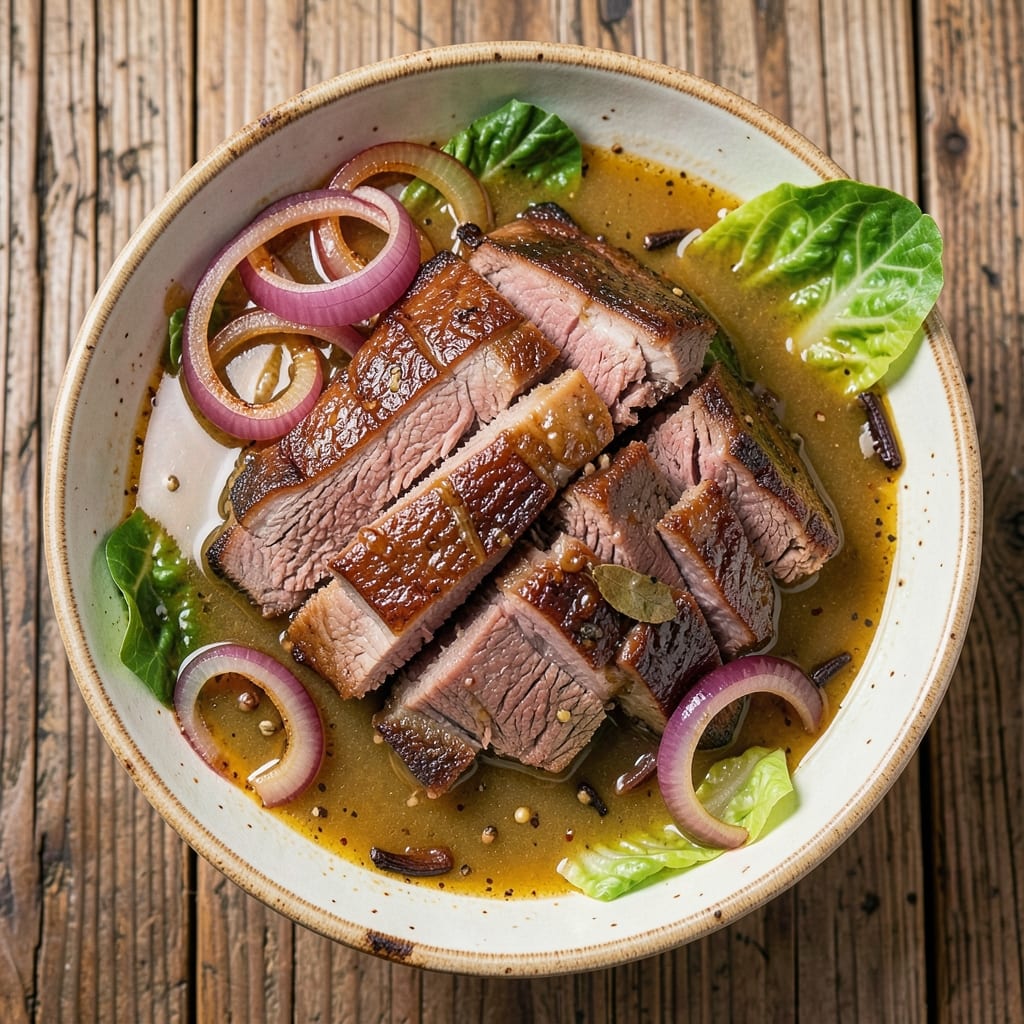
This awesome corned beef recipe transforms tough brisket into melt-in-your-mouth perfection with a slow-simmered spice blend that sings of Irish tradition. The secret lies in a 24-hour brine that infuses every bite with smoky, tangy depth—no shortcuts, just old-school flavor. I’ve perfected this method over years of St. Patrick’s Day feasts, ensuring the meat stays juicy and the spices cling like a well-worn lucky charm.
What sets this recipe apart is the balance of bold spices—cloves, mustard seeds, and bay leaves—simmered low and slow until the meat falls apart at the touch of a fork. No pressure cooker or sous-vide here; just a foolproof pot of liquid gold that rewards patience with restaurant-quality results. The cabbage and potatoes soak up the rich broth, turning a simple side into the star of the meal.
By the time you’re done, you’ll have a spice-bomb centerpiece that’s tender, aromatic, and packed with layers of flavor—no dry, tough slices here. The aroma alone will have your kitchen smelling like an Irish pub, and the first bite? That’s when you’ll know you’ve nailed it. This isn’t just corned beef; it’s a celebration on a plate.
Serve it with mustard on the side, a dollop of horseradish, or just as-is—everyone will ask for seconds. Here’s how to make it happen, step by step.
Ingredients for awesome corned beef
Here's what you need for that melt-in-your-mouth corned beef that smells like an Irish pub.
| Ingredient | Amount | Notes |
|---|---|---|
| Beef Brisket 🥩 | 4 lb | Flat cut preferred for even cooking |
| Yellow Onions 🧅 | 2 whole | Large, peeled and halved |
| Bay Leaves 🌿 | 4 whole | Fresh if possible |
| Cloves 🧄 | 10 whole | Whole, not ground |
| Mustard Seeds 🌶️ | 2 tbsp | Whole, not powdered |
| Salt 🧂 | 3 cups | Kosher or sea salt |
| Brown Sugar 🍚 | 1 cup | Packed firmly |
| Black Peppercorns 🌶️ | 1 tbsp | Whole, cracked lightly |
| Water 💧 | 8 cups | Filtered preferred |
| Green Cabbage 🥬 | 1 small | Heads, cut into wedges |
| Russet Potatoes 🥔 | 4 medium | Whole, unpeeled |
| Apple Cider Vinegar 🍎 | ½ cup | For tangy depth |
| Beef Broth 🍲 | 2 cups | Low-sodium preferred |
The brisket is the star—flat cut is key for even cooking, but point cut works too. Costco or Whole Foods have great pre-cut options, but if you're buying whole, ask the butcher to trim excess fat. The brisket should be about 1.5 inches thick—thicker pieces need more time. For the spices, Penzeys or bulk bins at natural markets have the best quality, but the regular grocery store stuff works fine if it's fresh. Mustard seeds? Whole, not powdered—they release flavor as they simmer. And don't skimp on the salt—this is where the magic happens.
No kosher salt? Diamond Crystal kosher salt is the standard, but any salt works if you adjust to taste. Running short on cloves? Allspice berries at half the amount give a similar warmth. The cabbage can be green or red—whatever's on sale. Potatoes? Russets hold up best, but Yukon Golds add creaminess if you're feeling fancy. The beef broth? Homemade is ideal, but even the canned stuff works if it's low-sodium. And if you're wondering about the vinegar—yes, it's essential for that classic tang. Apple cider vinegar has the best flavor, but white vinegar in a pinch won't ruin it.
This recipe rewards patience—plan for 8-10 hours of simmering time. The brisket will keep in the fridge for 4-5 days if wrapped tightly in its juices. The broth? Even better the next day—freeze extras in ice cube trays for future soups. Cabbage and potatoes reheat beautifully, but they're honestly better fresh from the pot. Store leftovers separately if you're making a big batch—3 months in the freezer for the meat, 1 week for the sides. And trust me, the smell alone will have everyone gathering around the table.
Why You'll Love This Recipe
- One-Pot Wonder: The brisket and onions practically cook themselves in the same pot—just add water, spices, and time. Honestly, I’ve made it while scrolling through my phone; that’s how hands-off it is.
- Spice-Packed Magic: Those whole cloves and mustard seeds tucked into the meat? They infuse the beef with layers of warmth and depth that turn simple brisket into something unforgettable. (Yes, even on a Tuesday night.)
- Leftovers That Shine: This recipe makes enough for days—sandwiches, hash, or just reheated slices with mustard. Between us, my lunchbox gets packed twice as often because of this.
- Budget Feast: A single brisket stretches across meals without breaking the bank, and the onions add bulk without costing extra. It’s my go-to when I need to feed a crowd without stressing over grocery bills.
Step-by-step instructions for slow-simmered corned beef
This method delivers melt-in-your-mouth brisket with rich, aromatic spices every time.
Prepare the Corned Beef Spice Pack
In a small bowl, combine the 3 cups salt, 1 cup brown sugar, 10 whole cloves, 2 tablespoons mustard seeds, and 1 tablespoon black peppercorns. I like to lightly crush the peppercorns with the flat side of a knife to release their oils without grinding them into powder.
Add the 2 whole yellow onions (peeled and halved), 4 whole bay leaves, and 0.5 cup apple cider vinegar. The vinegar helps tenderize the meat while adding depth of flavor. Mix everything thoroughly until the salt and sugar cling to the spices and onions. This spice pack is what transforms ordinary brisket into a flavor bomb.
Season and Submerge the Brisket
Place the 4 lb beef brisket in a large stockpot or Dutch oven. Spread the spice mixture evenly over all sides of the meat, pressing it gently into the surface so it penetrates. This ensures every bite gets that signature corned beef flavor.
Pour in the 8 cups water and 2 cups beef broth until the brisket is completely submerged by at least 2 inches. The extra liquid prevents the meat from drying out during the long cook. Bring to a boil over high heat, then immediately reduce to a gentle simmer. Here's the thing—you want bubbles breaking the surface occasionally, but not a rolling boil. That would cook the meat too quickly on the outside before the inside tenderizes.
Simmer Until Fork-Tender
Cover the pot and let the brisket simmer for 3 hours. I know it seems like a long time, but patience is key here. After 3 hours, check the doneness by inserting a meat thermometer into the thickest part of the brisket. It should register 200-205°F—this is when the collagen breaks down and the meat becomes silky tender.
If the brisket isn't quite there yet, continue simmering for another 30-60 minutes. The beauty of this method is that it's hard to overcook—you can't ruin perfectly tender corned beef. Just keep an eye on the liquid level and add hot water if it gets too low. The meat should be so tender that a fork slides in like butter.
Prepare the Vegetables
While the brisket simmers, prepare the vegetables. Cut the 1 small green cabbage into wedges and leave the 4 medium russet potatoes whole but scrubbed clean. The potatoes will absorb all that delicious corned beef broth and become creamy inside.
About 1 hour before the brisket is done, add the cabbage and potatoes to the pot. The residual heat will gently cook them through while they soak up all the flavorful liquid. You don't want to add them too early—they'll turn to mush if they simmer too long.
Rest and Slice for Maximum Juiciness
Once the brisket reaches 200-205°F and the vegetables are tender, remove the meat from the pot and transfer it to a cutting board. Tent loosely with foil and let it rest for 15-20 minutes. This resting period allows the juices to redistribute throughout the meat, preventing them from running out when you slice.
Slice the brisket against the grain into ¼-inch thick pieces. The cabbage should be tender but still hold its shape, and the potatoes should be fork-tender with fluffy interiors. Serve the corned beef with the cabbage and potatoes, spooning that rich, spiced cooking liquid over everything. Each bite should be packed with flavor—salty, sweet, tangy, and perfectly tender.
Pro Tips For Making Awesome Corned Beef
- Sear the Brisket First: High heat. Seriously, crank it up to medium-high and let that brisket develop a deep crust before you even think about adding liquid. I used to skip this, and my corned beef always tasted soft instead of rich—now I swear by the 3-4 minutes per side until it’s golden-brown. That crust locks in flavor during the long cook.
- Blanch the Onions: Toss your sliced yellow onions into boiling water for 30 seconds, then shock them in ice water. This softens them just enough to release sweetness without turning to mush during the slow cook. My grandmother swore by this, and she was right: the onions stay intact but add depth instead of just sitting there like sad, waterlogged slices.
- Don’t Crowd the Pot: If you’re braising, resist the urge to pile everything in at once. Start with onions and spices, then add the brisket with room to breathe—at least 1 inch of space between pieces. I learned this the hard way when my first batch turned out steamed instead of tender. The liquid needs to circulate, not just pool.
- Use Whole Spices: Skip the pre-ground mustard seeds and cloves—buy them whole and lightly toast them in a dry pan for 30 seconds until fragrant. This makes a real difference in flavor complexity. I was skeptical until I tried it: the aroma alone changes the whole dish, and you avoid the bitterness that comes from pre-ground spices sitting too long.
Best sauces and condiments for this recipe
Classic Mustard Sauce
This tangy, creamy sauce is a must-have for corned beef—it cuts through the richness while adding a bright contrast. Mix ½ cup yellow mustard (like French's or Dijon), ¼ cup sour cream, 1 tbsp apple cider vinegar, and a pinch of salt. Thin with 2 tbsp beef broth if needed for dipping or drizzling. The key is balancing the sharpness with creaminess so it doesn’t overpower the meat. 💛
Spicy Horseradish Cream
For heat lovers, this sauce adds a kick that pairs perfectly with tender corned beef. Blend ½ cup prepared horseradish (like Budweiser Select), ¼ cup mayonnaise, 1 tbsp lemon juice, and 1 tsp honey to mellow the bite. Adjust the horseradish to taste—start with 2 tbsp if you're sensitive to spice. Serve on the side for dipping or dollop directly on the plate. The honey balances the sharpness beautifully.
Sweet and Smoky BBQ Glaze
This unexpected twist adds depth to your corned beef. Simmer ½ cup ketchup, 2 tbsp brown sugar, 1 tbsp apple cider vinegar, 1 tsp smoked paprika, and ½ tsp liquid smoke for 10 minutes until thickened. Brush over sliced corned beef before serving or drizzle over the cabbage and potatoes. The smoky-sweet combo elevates the dish to next-level restaurant quality.
Creamy Horseradish Sauce
A staple in Irish pubs, this sauce is richer and smoother than its spicy cousin. Whisk together ½ cup sour cream, 2 tbsp prepared horseradish, 1 tbsp lemon juice, and ½ tsp salt. For extra richness, add 1 tbsp melted butter. This sauce is perfect for serving alongside the corned beef or as a dip for the cabbage wedges. The creaminess mellows the heat while keeping the signature tang.
Garlic Butter Sauce
This sauce is a game-changer for adding a luxurious finish. Melt 4 tbsp butter with 3 minced garlic cloves and 1 tbsp fresh parsley over low heat for 2 minutes. Stir in 1 tsp lemon juice and a pinch of salt. Drizzle over sliced corned beef or spoon into the cabbage wedges. The garlic adds a fresh, aromatic note that brightens every bite. 🌟
Pickled Vegetable Topping
Brighten the plate with quick-pickled veggies. Thinly slice 1 small red onion and 1 carrot, then pack into a jar with ½ cup apple cider vinegar, 1 tbsp sugar, and ½ tsp salt. Let sit for at least 30 minutes before serving. Spoon over the corned beef or use as a garnish for the potatoes. The tangy crunch contrasts the rich meat perfectly.
Nutrition facts
Frequently asked questions
Can I make corned beef in a slow cooker or Instant Pot?
For a slow cooker, follow the same spice pack and simmer on low for 8-10 hours (or high for 5-6 hours). For an Instant Pot, use the meat/stew setting for 60 minutes after the initial pressure build. Just add 1 cup extra liquid to account for the pressure release. The key is keeping the meat submerged and monitoring the internal temp.
Why does my corned beef turn out tough instead of tender?
Overcooking is the #1 culprit! Keep the heat at a gentle simmer (not boiling) and never exceed 205°F internal temp. Also, make sure the brisket is fully submerged in liquid—if it's exposed, it'll dry out. For extra tenderness, consider adding 1 tsp baking soda to the brine (it helps break down proteins).
What's the best way to reheat leftover corned beef?
Slice the meat and reheat in the same cooking liquid over low heat for 10-15 minutes—this keeps it moist. For cold slices, pan-sear in butter for 2-3 minutes per side to crisp the edges. Never microwave directly—it turns the meat rubbery. The broth reheats beautifully too, making great soup or gravy.
Can I substitute beef brisket with another cut?
While brisket is ideal, you can use beef chuck roast (add 30 minutes to cooking time) or pork shoulder (reduce salt by 1 cup). Avoid lean cuts like sirloin—they won't become tender. For pork, simmer until 195°F internal temp. The texture will be slightly different but still delicious.
How do I make this recipe kid-friendly?
Reduce the mustard seeds to 1 tbsp and cloves to 5, and skip the vinegar. Add 1 tsp honey to the cooking liquid for sweetness. Serve with buttered noodles instead of cabbage, and offer mild mustard or ketchup on the side. The meat will still be tender and flavorful, just without the bold spices.