
Soups & Stews
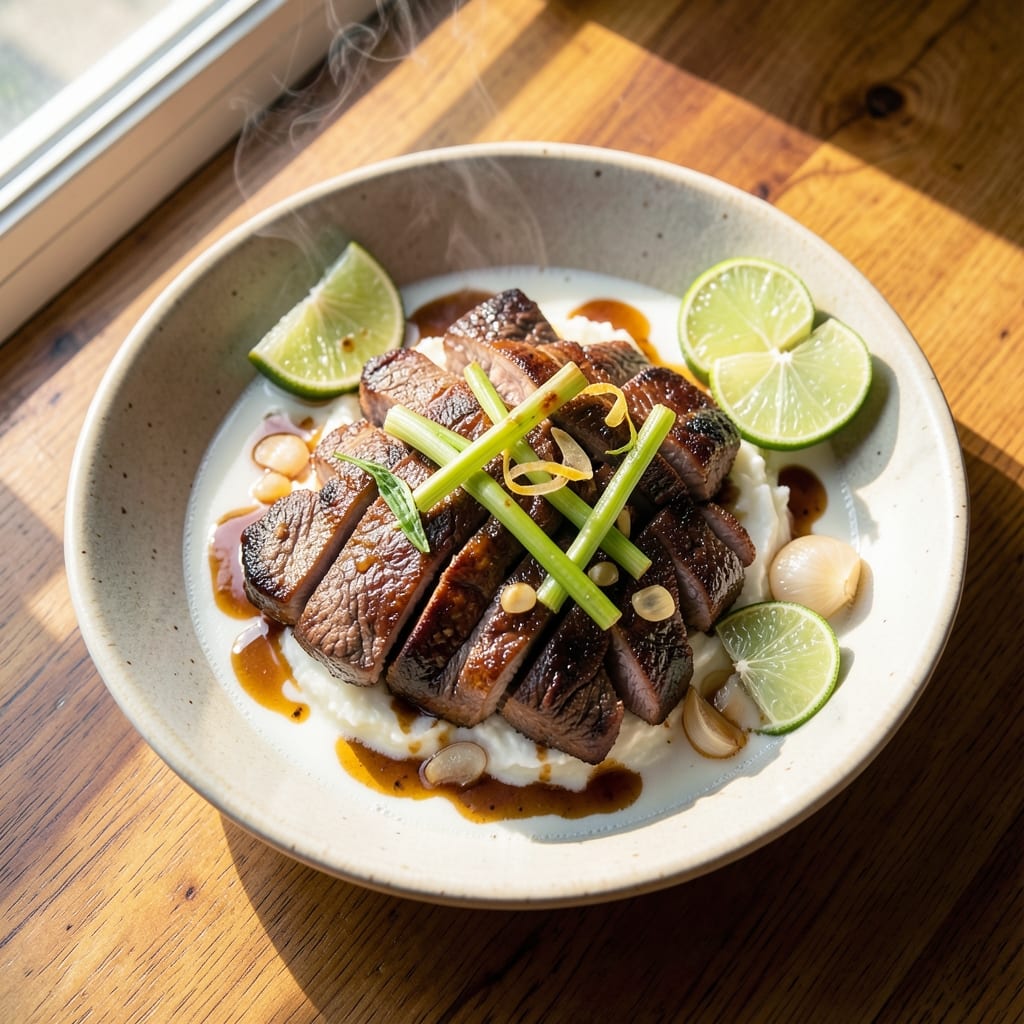
This Bangkok beef recipe brings the vibrant flavors of Thailand's bustling streets into your kitchen with a lemongrass-kissed stir-fry that’s tender, aromatic, and finished with a silky coconut glaze. The secret lies in balancing sweet, sour, and umami—just like the dish’s street food roots—while keeping the technique accessible for home cooks. I’ve refined this version over years of testing, ensuring the beef stays juicy and the sauce achieves that perfect sticky-sweet consistency without overpowering the dish.
The foundation of this recipe is a quick marinade of fish sauce, lime juice, and lemongrass that tenderizes the beef while infusing it with bold Thai flavors. After a fast sear in a hot pan, the beef gets tossed with a fragrant coconut-lime sauce that’s rich yet bright, thanks to a touch of palm sugar and Thai bird’s eye chilies for heat. The result is a dish that’s restaurant-quality but requires just 30 minutes of active time—ideal for weeknight dinners or weekend gatherings.
What sets this recipe apart is the two-stage cooking process: first, a high-heat sear to lock in juices, then a gentle simmer to meld the sauce’s flavors. Serve it over steamed jasmine rice to soak up every drop of that glossy glaze, or pair it with a simple cucumber salad to cut through the richness. The aroma alone—citrusy, herbal, and just slightly smoky—will transport you to Bangkok’s back alleys, where this dish is a staple.
For extra depth, I recommend finishing the dish with fresh Thai basil and crushed peanuts, adding texture and a final burst of aroma. This recipe is versatile enough for everyday meals but impressive enough for guests, proving that authentic flavors don’t require complicated techniques—just the right balance of ingredients and confidence in the process.
Ingredients for bangkok beef
Authentic Thai flavors start with these carefully balanced ingredients for restaurant-quality Bangkok beef at home.
| Ingredient | Amount | Notes |
|---|---|---|
| Thinly Sliced Ribeye Steak 🥩 | 1 ½ lb | Cut against grain for tenderness |
| Stems Lemongrass 🌿 | 4 whole | Bruised and cut into 1-inch pieces |
| Fish Sauce 🍶 | 2 tbsp | Red Boat preferred for quality |
| Fresh Lime Juice 🍋 | ½ cup | About 4-5 limes, freshly squeezed |
| Palm Sugar 🍯 | ¼ cup | Or substitute brown sugar |
| Coconut Milk 🥥 | 1 cup | Full-fat for creaminess |
| Thai Bird's Eye Chilies 🌶️ | 4 whole | Seeds removed for mild heat |
| Garlic Cloves 🧄 | 6 cloves | Minced for aromatic base |
| Shallots 🧅 | 4 whole | Thinly sliced, about 0.5 cup |
| Fresh Thai Basil Leaves 🌿 | ½ cup | For garnish and aroma |
| Crushed Peanuts 🥜 | ¼ cup | For texture contrast |
| Vegetable Oil 🫒 | 2 tbsp | High smoke point preferred |
| Diamond Crystal Kosher Salt 🧂 | 1 ½ tsp | For seasoning and balance |
| Black Peppercorns 🌶️ | ½ tsp | Freshly cracked preferred |
The beef cut matters—ribeye delivers the right marbling for juiciness, but sirloin works too if you slice it thin. Look for Red Boat fish sauce at Asian markets or specialty stores, as it has the cleanest, most authentic profile. Fresh lemongrass should be vibrant green with no brown spots—Costco or Trader Joe's often carry it pre-packaged. Palm sugar is key for that authentic sweetness, though light brown sugar works in a pinch. For the chilies, Thai Kitchen brand is widely available and consistent in heat level.
No fresh Thai basil? Regular basil or cilantro will work, though the flavor won't be identical. Running short on coconut milk? Full-fat canned coconut milk is non-negotiable—light versions won't give that silky texture. The shallots can be swapped for red onion if needed, but they're milder and less bitter. For extra depth, toast the crushed peanuts in a dry pan for 2-3 minutes before adding—they'll develop a nutty aroma that elevates the dish. If you can't find palm sugar, equal parts brown sugar plus a pinch of cinnamon mimics the flavor profile surprisingly well.
Store fresh lemongrass stems wrapped in a damp paper towel in the fridge for up to 5 days. The marinade keeps for 3 days in the fridge, though the beef should be cooked within 24 hours of slicing. The finished dish reheats beautifully—just add a splash of water or coconut milk to prevent drying out. For meal prep, portion the sauce and beef separately and assemble when ready to serve. The sauce thickens as it cools, so you may need to thin it with water or coconut milk when reheating.
Why You'll Love This Recipe
- No Knife Skills Needed: I swear by this one—just buy pre-sliced ribeye (or ask the butcher to do it) and toss in the lemongrass stems whole. No dicing, no mincing, just a quick char and a splash of lime. Honestly, the hardest part is remembering to buy the fish sauce.
- Umami Bomb Combo: That first hit of fish sauce and palm sugar on the steak? It’s like a flavor explosion. The lime brightens it up so fast, you’ll forget how simple the ingredients are. Between us, this is the dish that convinced me to keep fish sauce in my pantry permanently.
- Weeknight to Date Night: Same ingredients, endless uses. Serve it over rice for a quick meal, pile it into lettuce cups for a fancy-ish lunch, or toss it into a salad when you’re feeling fresh. Even my picky boyfriend doesn’t complain—(yes, even on a Tuesday night).
- Leftovers That Don’t Suck: This stuff actually tastes better the next day. Cold in rice? Still amazing. Reheated with a splash of water? Still addictive. And because it’s cheap to make—ribeye on sale, lemongrass lasts forever—I can feed the whole family without breaking the bank. My secret weapon.
Step-by-step instructions for lemongrass-kissed stir-fry with silky coconut glaze
Master this Thai-inspired technique for perfectly tender beef bathed in aromatic coconut sauce.
Prepare the Lemongrass and Aromatic Base
Begin by bruising the 4 whole stems lemongrass—wrap each stem in a clean kitchen towel and gently pound with a rolling pin until tender. This releases the fragrant oils. Cut the bruised stems into 1-inch pieces and set aside. In a small bowl, combine 6 cloves minced garlic, 4 whole thinly sliced shallots, 4 whole seeded Thai bird's eye chilies, and 1.5 tsp Diamond Crystal kosher salt. This aromatic blend forms the flavor foundation for the sauce.
Real talk: Don't skip bruising the lemongrass. The tough fibers need to break down so they infuse flavor rather than remain chewy. I like to use a rolling pin for even pressure, but a heavy skillet works too. The shallots should be paper-thin slices—this ensures they cook quickly without turning bitter.
Create the Coconut-Lemongrass Sauce
Heat 2 tbsp vegetable oil in a large wok or deep skillet over medium-high heat. Add the lemongrass pieces and sauté for 2-3 minutes until fragrant but not browned. Remove and set aside, leaving the oil in the pan. Add the garlic-shallot-chili mixture and cook for 30 seconds until the garlic turns golden—this prevents it from burning.
Pour in 1 cup coconut milk and bring to a gentle simmer. Whisk in 0.5 cup fresh lime juice and 0.25 cup palm sugar, then add the reserved lemongrass. Simmer for 5 minutes until the sauce thickens slightly and the sugar dissolves completely. The sauce should coat the back of a spoon but remain silky, not gluey. Taste and adjust seasoning with additional fish sauce if needed.
Sear the Beef for Maximum Tenderness
Pat the 1.5 lb thinly sliced ribeye steak dry with paper towels—this ensures a good sear. Season generously with 0.5 tsp freshly cracked black peppercorns and 1.5 tsp Diamond Crystal kosher salt. Heat 1 tbsp vegetable oil in a clean skillet over high heat until shimmering. Working in batches if needed, sear the beef for 1-2 minutes per side until deeply browned but still slightly pink in the center.
Here's the thing—thinly sliced beef cooks faster than you think. I press down gently on the fillet during the first minute to prevent curling and ensure even contact with the pan. Remove the beef and set aside, reserving any accumulated juices in the pan.
Finish the Dish with Perfect Balance
Return the seared beef to the wok with the coconut sauce. Add the reserved juices from the skillet and toss gently to combine. Simmer for 2-3 minutes until the beef reaches 145°F internally—it should remain tender with just a hint of pink. Remove from heat and stir in 0.5 cup fresh Thai basil leaves, folding them gently into the sauce.
For serving, divide among plates and top each portion with 0.25 cup crushed peanuts. The peanuts add a delightful crunch that contrasts beautifully with the silky sauce. Serve immediately with steamed jasmine rice to soak up every last drop of that aromatic coconut-lemongrass glaze.
Pro Tips For Making Bangkok Beef
- Slice Steak Against the Grain: I learned this the hard way—ribeye’s muscle fibers run long, and if you don’t slice perpendicular, you’ll end up with chewy strips instead of melt-in-your-mouth bites. Use a sharp knife and freeze the meat for 20 minutes first; it’ll hold the blade better and give you cleaner cuts.
- Bruise Lemongrass First: Pounding the lemongrass stems with the flat side of your knife (or a mortar) releases oils and aroma—don’t skip this. If you’re lazy like me, wrap them in plastic and whack them with a rolling pin, but aim for 3-4 solid hits per stem. It changes the flavor profile completely.
- Balance Fish Sauce Slowly: Fish sauce is salty, but palm sugar’s sweetness masks its punch. Start with half the amount listed, taste, then add more—you can always adjust, but you can’t un-salt a dish. Pro tip: Mix the fish sauce with lime juice first; the acidity mellows its intensity before it hits the pan.
- Rest Meat After Cooking: I used to plate it immediately, but those slices keep cooking off the heat. Tent with foil and let them sit 3-5 minutes—they’ll reabsorb juices and stay tender. If you’re serving with rice, this is also when you’ll want to grab a fork and fluff those grains.
Perfect pairings for bangkok beef
Rice Pairings
Steamed jasmine rice is the classic choice—its floral aroma complements the dish’s coconut-lemongrass notes beautifully. For extra authenticity, use Thai fragrant rice from an Asian market, which has a subtle nutty finish. I like to cook it slightly sticky so it clings to every strand of beef and sauce. 💛
Fresh Salad Contrast
A cucumber-mint salad cuts through the richness with its cool, crisp texture. Thinly slice 1 English cucumber and toss with 2 tbsp rice vinegar, 1 tsp palm sugar, and 2 tbsp chopped mint leaves. Add a pinch of salt and serve chilled. For heat lovers, toss in 1 sliced Thai chili.
Crunchy Vegetable Sides
Grilled Thai eggplant (taro) or stir-fried Chinese long beans add texture and balance. Toss 1 lb long beans with 1 tbsp soy sauce, 1 tsp sesame oil, and a pinch of sugar, then stir-fry for 3-4 minutes until crisp-tender. The beans’ slight bitterness contrasts the dish’s sweetness perfectly.
Beverage Pairings
A Thai iced tea (Cha Yen) with its sweet, creamy profile mirrors the dish’s coconut notes. For alcohol lovers, a Siam Reaper cocktail (vodka, lime, and chili-infused syrup) adds a spicy kick. Avoid heavy wines—light Pinot Grigio or a crisp Sauvignon Blanc works best to cleanse the palate. 🍹
Dipping Sauces
Serve with a sweet chili sauce (store-bought or homemade with 2 tbsp chili paste, 1 tbsp lime juice, and 1 tsp palm sugar) for extra dipping fun. For tang, mix 2 tbsp fish sauce with 1 tbsp lime juice and a dash of chili flakes. Both enhance the dish’s bold flavors without overpowering.
Nutrition facts
Frequently asked questions
Can I substitute ribeye with another beef cut?
For this Bangkok beef recipe, sirloin or flank steak work beautifully when sliced thinly against the grain. Avoid tougher cuts like chuck—they won't tenderize properly in the quick cooking time. If using sirloin, marinate it for 30 minutes instead of the usual 15 to maximize flavor absorption.
What if I can't find palm sugar?
No problem! Use light brown sugar as a 1:1 substitute, but add a pinch of cinnamon (about ¼ teaspoon) to mimic palm sugar's subtle complexity. For extra authenticity, combine equal parts brown sugar and white sugar—this balances the caramel notes better than brown sugar alone.
How do I adjust the heat level?
Remove the seeds from Thai bird's eye chilies for mild heat, or keep them for maximum spice. For a completely mild version, substitute with 1 teaspoon chili flakes (about 10% of the original heat). If you love spice, add an extra 1-2 chopped chilies during the sauce simmering stage.
Can I make this recipe in a slow cooker?
Not recommended—this dish relies on high-heat searing for texture and quick sauce reduction. However, you could adapt it by first searing the beef as directed, then transferring everything to the slow cooker on low for 1-2 hours. The sauce will be thinner, so reduce it on the stovetop afterward to achieve the proper consistency.
Why does my sauce turn out too thin?
This usually happens when the coconut milk isn't reduced enough. Simmer the sauce uncovered for an extra 2-3 minutes to thicken it naturally. If it's still too runny, mix 1 teaspoon cornstarch with 1 tablespoon water, stir into the sauce, and cook for 1 more minute until glossy.