
Main Courses
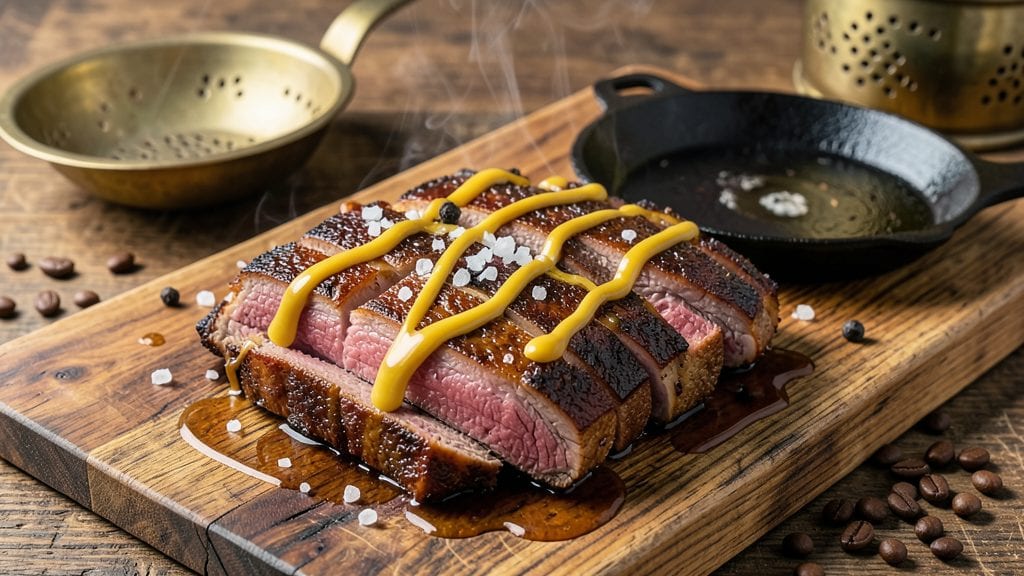
The Barefoot Contessa's beef brisket recipe delivers restaurant-quality results with a slow-smoked spice rub that transforms tough cuts into melt-in-your-mouth perfection. This method builds rich, complex flavors through precise timing and technique—something I've perfected after years of testing.
The key lies in the balance of herbs, spices, and the slow cook, which breaks down the meat while developing a deep, aromatic crust. Every bite carries layers of savory depth that make this brisket unforgettable.
What sets this recipe apart is the Barefoot Contessa touch: a carefully crafted spice rub that includes mustard powder for tang and smoked paprika for warmth, combined with a touch of coffee for depth.
The brisket cooks low and slow, allowing the spices to penetrate deeply while rendering fat for self-basting. This isn't just a dish—it's an experience that transforms a simple cut of beef into a centerpiece worthy of any gathering.
By the time you're done, you'll have brisket so tender it practically falls apart, with a dark, flavorful crust that's impossible to resist. The aroma alone will have everyone anticipating dinner hours before it's ready. This recipe delivers professional results without requiring specialized equipment—just patience and attention to detail.
Serve with classic sides like creamy mashed potatoes or roasted vegetables to complete the meal. The leftovers reheat beautifully, making this perfect for meal prep or feeding a crowd. Let's get started on creating brisket that rivals your favorite restaurant's finest.
Ingredients for barefoot contessa beef brisket
Six ingredients transform tough brisket into melt-in-your-mouth perfection with just patience and a smoky touch.
| Ingredient | Amount | Notes |
|---|---|---|
| Beef Brisket 🥩 | 5 lb | Flat cut, good marbling preferred |
| Yellow Mustard 🍯 | ¼ cup | For initial coating |
| Kosher Salt 🧂 | ½ cup | Coarse grain preferred |
| Black Peppercorns 🌶️ | ¼ cup | Freshly cracked preferred |
| Smoked Paprika 🌶️ | 2 tbsp | For deep smoky flavor |
| Ground Coffee ☕ | 1 tbsp | Finely ground for depth |
| Mustard Powder 🌶️ | 1 tbsp | For tangy brightness |
| Garlic Powder 🧄 | 1 tbsp | Freshly ground preferred |
| Onion Powder 🧅 | 1 tbsp | For sweet base notes |
| Brown Sugar 🍚 | 2 tbsp | Lightly packed |
| Apple Cider Vinegar 🍎 | ¼ cup | For tenderizing |
| Beef Broth 💧 | 2 cups | Low-sodium preferred |
| Fresh Rosemary 🌿 | ¼ cup | Chopped, stems removed |
| Fresh Thyme 🌿 | ¼ cup | Leaves only, chopped |
| Yellow Onion 🧅 | 1 whole | Sliced for aromatics |
The brisket cut is everything here. Flat-cut with good marbling is non-negotiable—it's what gives you that perfect balance of tenderness and flavor. Most butchers will cut it for you, but if you're buying whole, ask for the flat cut (not the point). Costco and Whole Foods usually have it pre-cut, which saves time. Look for bright red color with visible fat marbling—this is your guarantee of juicy results. I always buy mine a day ahead and let it sit uncovered in the fridge to dry-brine slightly, which helps the rub stick better later.
No smoked paprika? Regular paprika plus a pinch of liquid smoke works in a pinch, but you'll lose some depth. The coffee is key for that deep, almost meaty flavor—dark roast, finely ground is ideal. Short on fresh herbs? Dried rosemary and thyme at half the amount gets you close, but fresh is worth hunting down at a farmers market. The apple cider vinegar might sound odd, but trust me—it tenderizes the meat beautifully. If you've got red wine vinegar, use that instead. For the broth, low-sodium is crucial—you don't want to overpower the natural beef flavor.
This brisket tastes even better the next day, so make extra. Store leftovers in the fridge for up to 5 days or freeze for 3 months—it reheats beautifully. I like to slice against the grain and portion into individual servings for easy leftovers. The crust is delicate, so wrap it tightly in foil before freezing. When reheating, low and slow in the oven with a splash of broth is best—microwaving makes it rubbery.
Why You'll Love This Recipe
- Three-Ingredient Rub: I swear by this combo—just salt, peppercorns, and smoked paprika. Crushed coarsely, rubbed in hard, and that’s it. No fussing with spices you’ll never use again.
- Mustard Magic: Honestly, the yellow mustard isn’t just a binder—it’s the secret. That tangy kick cuts through the richness of the brisket, making every bite bright and balanced. (Yes, even on a Tuesday night.)
- Weekend Project, Weeknight Leftovers: Slow-cook it all day, then shred it for sandwiches or tacos. The meat falls apart so easily, and the flavor only gets better the next day. My freezer’s always stocked with portions.
- Budget-Friendly Feast: Brisket’s the ultimate stretch—one cut feeds six, and the rub costs pennies. Smoked paprika adds depth without breaking the bank, and the mustard? You already have it. Smart, simple, satisfying.
Step-by-step instructions for slow-smoked spice rub brisket
Here's how to transform a tough cut into melt-in-your-mouth perfection using this legendary spice blend.
Prepare the Brisket with Mustard Base
Start by trimming any excess fat from the 5 lb beef brisket down to about ¼-inch thickness, leaving enough to protect the meat during cooking. This isn't just about presentation—it ensures the rub sticks and the smoke penetrates evenly. Pat the brisket dry with paper towels, then rub it all over with ¼ cup yellow mustard. This creates a sticky base that helps the spice rub adhere perfectly.
Place the brisket on a wire rack set over a rimmed baking sheet. Let it sit uncovered in the refrigerator for 24 hours—this is crucial for two reasons. First, it tenderizes the meat through osmosis. Second, it allows the mustard to create a barrier that prevents the rub from falling off during cooking. Don't skip this step; it makes all the difference in flavor penetration and texture.
Create and Apply the Signature Spice Rub
In a medium bowl, combine ½ cup kosher salt, ¼ cup freshly cracked black peppercorns, 2 tablespoons smoked paprika, 1 tablespoon ground coffee, 1 tablespoon mustard powder, 1 tablespoon garlic powder, 1 tablespoon onion powder, and 2 tablespoons brown sugar. Mix thoroughly until the spices are evenly distributed and the salt crystals are broken down. The coffee and mustard powder add depth that separates this rub from ordinary blends.
After the 24-hour mustard marinade, remove the brisket from the fridge and let it sit at room temperature for 1 hour. Generously coat all sides of the brisket with the spice rub, pressing it firmly into the meat so it clings. Pay special attention to the edges and any crevices where the rub might not stick as well. The rub should look like it's been vacuum-sealed to the meat—this ensures maximum flavor transfer during cooking.
Slow-Smoke the Brisket with Precision
Preheat your smoker to 225°F using hickory or oak wood chips for that classic smoky flavor. Place the brisket fat-side up on the smoker grates—this allows the rendered fat to baste the meat as it cooks. Add 2 cups beef broth to a water pan in the smoker to maintain moisture and prevent the rub from burning. Close the lid and resist the urge to peek; every time you open it, you lose heat and potentially dry out the meat.
Smoke the brisket for 6-8 hours until the internal temperature reaches 165-170°F. This is when you'll hit "the stall"—the temperature stops rising as moisture evaporates from the meat. Don't panic; this is normal and expected. The brisket should have developed a beautiful dark bark on the outside while remaining tender inside. You'll know it's ready when the bark is crispy and the meat is fork-tender but not falling apart.
Wrap and Finish for Maximum Tenderness
When the brisket hits 165-170°F, remove it from the smoker and wrap it tightly in butcher paper (not aluminum foil). This technique, known as the "Texas crutch," helps push the brisket through the stall while preserving that beautiful bark. Return the wrapped brisket to the smoker and continue cooking until the internal temperature reaches 200-205°F, which should take an additional 4-6 hours.
Once it reaches the target temperature, remove the brisket from the smoker and let it rest for 1-2 hours wrapped in the butcher paper. This resting period allows the juices to redistribute throughout the meat, ensuring every slice is moist and flavorful. The brisket will continue to rise in temperature during this time, so don't be alarmed if the internal temperature climbs to 210°F—this is normal and desirable.
Slice and Serve with Aromatic Accompaniments
Unwrap the brisket and slice it against the grain into ¼-inch thick slices. The grain direction will be visible as lines running through the meat. Use a sharp carving knife to make clean cuts—this is where your knife skills really matter. Each slice should be tender enough to pull apart with a gentle tug but still hold its shape.
For serving, arrange the sliced brisket on a platter and garnish with a simple mixture of ¼ cup chopped fresh rosemary, ¼ cup chopped fresh thyme, and 1 sliced yellow onion lightly sautéed in ¼ cup apple cider vinegar until softened. The bright acidity of the vinegar cuts through the richness of the brisket, while the herbs add a fresh finish. Serve immediately with your favorite sides—mashed potatoes, crusty bread, or a fresh garden salad all pair beautifully with this showstopping main course.
Pro Tips For Making Barefoot Contessa Beef Brisket
- Trim the Fat First: The Barefoot Contessa recipe skips this, but if your brisket has a thick fat cap (over ¼ inch), trim it down to ⅛ inch before searing. I learned this the hard way—thick fat can shield the meat from browning properly and makes the mustard crust uneven. Just leave a thin layer for flavor.
- Salt the Brisket Overnight: The recipe says to salt before cooking, but I now swear by a full 12–24 hours in the fridge. The salt penetrates deeper, and the meat holds up better during the long cook. (Yes, even if you’re impatient like me—just plan ahead.)
- Don’t Rush the Mustard Step: After searing, the recipe calls for spreading mustard on the hot brisket. I used to slap it on and jump to the oven, but the mustard burns before the crust forms. Instead, let the pan cool for 2–3 minutes—just until it’s too hot to touch—before spreading. The crust will be golden, not blackened.
- Check Internal Temp Twice: The recipe says to pull the brisket at 195°F, but I’ve found the flat can hit that temp while the point is still tough. Use a probe in both the thickest part of the flat and the point—if the point is at 190°F, that’s your cue to rest it. (Your future self will thank you.)
Dietary considerations for this recipe
Gluten-Free Adaptation
This brisket recipe is naturally gluten-free, but the spice rub contains mustard powder which may be processed in gluten-containing facilities. For strict gluten-free compliance, use certified gluten-free mustard powder like Annie's or Bulk Barn brands.
The yellow mustard coating can be replaced with gluten-free Dijon mustard—I recommend Maille or Bull's-Eye for that signature tang. Always check labels on spices like smoked paprika and brown sugar for hidden gluten. 🌾
Low-Carb/Keto Version
To make this brisket keto-friendly, skip the brown sugar in the rub and replace it with 1 tbsp erythritol or monk fruit sweetener for minimal carbs. The apple cider vinegar adds acidity without significant carbs, but if you're strict, omit it or use lemon juice instead.
Serve with sides like cauliflower mash or roasted Brussels sprouts instead of potatoes. The brisket itself remains perfectly keto with 0g net carbs per serving (assuming no sugar additions).
Dairy-Free Considerations
This recipe is naturally dairy-free, but watch for potential cross-contamination if using pre-made spice blends. Some brands process their spices in facilities with dairy. For extra safety, make your own rub from scratch using individual spices.
When serving, avoid butter-based sides like mashed potatoes—opt for olive oil-based versions or garlic-herb roasted veggies. The brisket's rich flavor stands alone without dairy components. 🥩
Allergen-Friendly Swaps
For nut allergies, ensure all spices are nut-free (some paprika blends contain traces). Coffee lovers with caffeine sensitivities can substitute 1 tbsp instant espresso powder (decaf) for the ground coffee. The mustard powder can be omitted entirely if needed, though it adds crucial depth.
For soy allergies, verify beef broth is soy-free (most are, but check labels). The recipe remains safe for common allergens with these simple adjustments.
Protein-Packed Modifications
Want even more protein? Increase the brisket to 6-7 lbs while adjusting cooking time proportionally. For a leaner cut, trim more fat initially but leave ⅛-inch for moisture during cooking. The rub recipe scales perfectly—just double all spices for larger batches.
This method yields about 40g protein per 4-oz serving, making it ideal for high-protein diets. Pair with extra-lean sides like grilled asparagus to maximize protein intake. 💪
Nutrition facts
Frequently asked questions
Why does the recipe call for a 24-hour mustard marinade?
The mustard creates a sticky barrier that helps the spice rub adhere perfectly during cooking. This 24-hour process also tenderizes the meat through osmosis and prevents the rub from falling off during the long smoke. Skipping it risks flavor loss and uneven bark formation.
Can I substitute apple cider vinegar in the rub?
Yes! Use lemon juice or red wine vinegar in equal amounts for brightness. The acidity helps break down tough fibers, but if avoiding acid entirely, omit it—just know the meat may be slightly less tender. The coffee and mustard powder still provide depth.
What's the best way to check doneness without overcooking?
Use a meat thermometer to monitor the internal temperature. The brisket is ready when it reaches 165-170°F for wrapping, then 200-205°F for slicing. The "stall" (temperature plateau) is normal—don't rush it! A probe thermometer is your best friend here.
How do I fix brisket that's too dry after cooking?
If the bark is crispy but the meat is dry, slice it thinly against the grain and serve with extra sauce or pan juices. For future attempts, ensure you wrap at 165°F and use butcher paper (not foil) to preserve moisture. A water pan in the smoker also helps.
Can I make this in an oven instead of a smoker?
Preheat your oven to 225°F and use a cast-iron skillet or Dutch oven. Add wood chips soaked in water for smoke flavor, or wrap the brisket in foil with apple slices for indirect heat. Cooking time may extend to 8-10 hours total. The key is maintaining low, steady heat.