
Soups & Stews
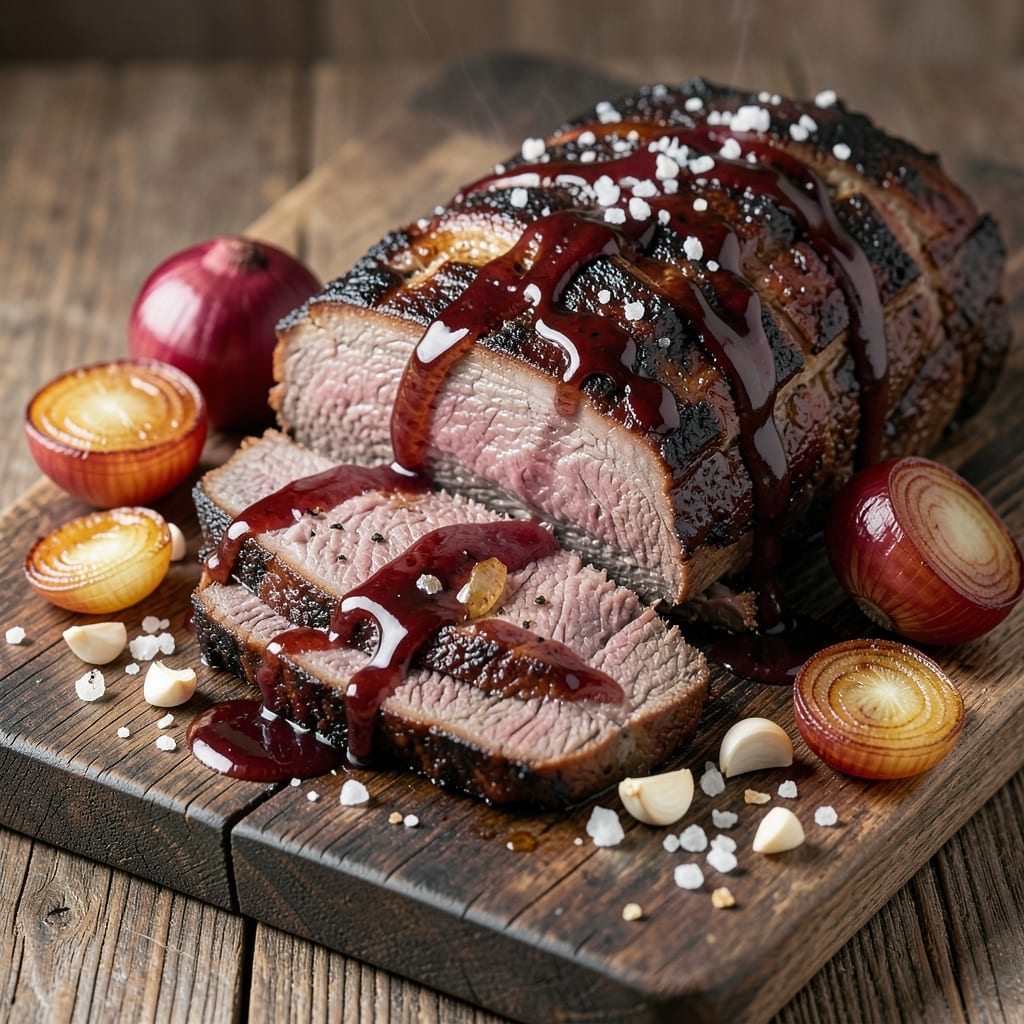
This amazing beef brisket recipe delivers the kind of smoky, fall-apart tenderness that turns weeknights into special occasions. I've perfected the slow-cooking technique over years of trial and error—no fancy equipment required, just patience and a few key secrets for that perfect bark and juicy interior. The magic happens when you balance the right dry rub, slow cooking time, and the crucial resting period that makes all the difference.
What sets this recipe apart is the foolproof method for achieving restaurant-quality results at home. We're talking about a brisket so tender it practically melts in your mouth, with a deep, smoky crust that's impossible to resist. The key steps include a flavorful dry rub that clings to the meat, a slow cook in the oven (or smoker if you're feeling adventurous), and the all-important wrap that keeps it moist during the final stages. Trust me, this isn't your average brisket—it's the kind that gets rave reviews.
By the time you're done, you'll have a brisket that's golden-brown on the outside and so tender it falls apart at the touch. The aroma alone will have everyone gathering around the table, and each bite delivers that perfect balance of smoky, savory, and slightly sweet flavors. This is the kind of meal that makes you feel like you're hosting a backyard BBQ, even if you're just cooking for your family.
The best part? Leftovers are just as good as the first slice, making this recipe perfect for meal prep or feeding a crowd. Serve it with classic sides like cornbread, coleslaw, or baked beans for the full experience. Let's get cooking—your taste buds will thank you!
Ingredients for amazing beef brisket
Six pounds of brisket plus these magic ingredients transform into restaurant-quality smoky perfection.
| Ingredient | Amount | Notes |
|---|---|---|
| Beef Brisket 🥩 | 6 lb | Whole packer cut, fat cap on |
| Yellow Onion 🧅 | 2 whole | Large, sliced into wedges |
| Fresh Garlic Cloves 🧄 | 8 cloves | Peeled, smashed slightly |
| Beef Broth 💧 | 2 cups | Low-sodium preferred |
| Apple Cider Vinegar 🍎 | ¼ cup | For tenderizing |
| Brown Sugar 🍚 | ½ cup | Packed, light variety |
| Smoked Paprika 🌶️ | 2 tbsp | For deep smoky flavor |
| Ground Black Pepper 🌶️ | 1 ½ tbsp | Freshly cracked preferred |
| Kosher Salt 🧂 | 1 ½ tbsp | Diamond Crystal preferred |
| Dried Thyme 🌿 | 1 tbsp | Or 1 tbsp fresh chopped |
| Black Coffee ☕ | ½ cup | Cold, for bark enhancement |
| Butcher Paper 📄 | 1 sheet | For wrapping during cook |
| Aluminum Foil 📦 | 1 sheet | For final wrap |
The brisket is non-negotiable—look for a whole packer cut with that fat cap intact. Costco or your local butcher shop are your best bets for quality. I always ask for the thickest cut I can find, as it holds up better to the long cook. If you're buying pre-sliced, check for good marbling—the white fat streaks are what keep it juicy. The onions and garlic? Yellow onions work best here—they caramelize beautifully. Grab the biggest ones you can find, and don't peel them yet—just slice into wedges. The garlic cloves should be firm and plump, not shriveled or sprouting.
No smoked paprika? Regular paprika plus a pinch of liquid smoke gets you close. The coffee is a game-changer for that deep bark—strong, cold brew works best, not instant. Running short on time? Swap the apple cider vinegar for lemon juice, though it won't tenderize as well. The brown sugar can be light or dark, but light brown dissolves more smoothly. For the dry rub, I always toast my spices in a dry pan for 30 seconds to wake up the flavors. The butcher paper is crucial—it lets the brisket breathe while keeping moisture in during the final stages. Trader Joe's sells it in rolls if you don't have any on hand.
This brisket tastes even better the next day—plan ahead. Store leftovers in the fridge for up to 5 days, or freeze for 3 months wrapped tightly in foil. The fat cap will solidify as it cools, so let it sit at room temperature for 30 minutes before slicing. For serving, I always slice against the grain—that's the key to tender bites. The aroma alone will have everyone gathering around your table. Pro tip: Save the juices from the pan and reduce them into a quick gravy—absolutely essential for soaking up every last bit of flavor.
Why You'll Love This Recipe
- One-Pan Magic: I swear by this recipe because it’s that simple—just brisket, onions, garlic, and broth in one pot. No fancy gadgets, no stress. The onions caramelize right alongside the meat, and the vinegar cuts through the richness like a breath of fresh air.
- Deep, Tangy Richness: That apple cider vinegar? It’s the secret weapon. It tenderizes the brisket and gives it this bright, almost smoky-sweet edge that makes every bite unforgettable. Honestly, the first time I tasted it, I thought, “Why haven’t I been doing this forever?”
- Budget-Friendly Feast: A whole brisket feeds a crowd for less than takeout. The broth stretches thin, the onions add bulk, and the garlic? You’ll use half a head but won’t even notice the cost. Between us, this is the kind of meal that makes grocery day feel like a win.
Step-by-step instructions for smoky brisket perfection
Here's how to transform a tough cut into melt-in-your-mouth brisket with a stunning bark.
Prepare the Brisket with Dry Rub
Start by trimming the fat cap on the 6 lb beef brisket down to about ¼ inch thickness using a sharp boning knife. Leave the fat on the edges to protect the meat during cooking. Pat the entire surface dry with paper towels—this helps the rub adhere and creates that perfect crust.
In a small bowl, combine the 2 tbsp smoked paprika, 1.5 tbsp kosher salt, 1.5 tbsp ground black pepper, and 1 tbsp dried thyme. Rub this mixture all over the brisket, pressing firmly so it sticks to every nook. Let it sit at room temperature for 30 minutes while you prepare your smoker or oven.
Sear the Brisket for Deep Flavor
Preheat your oven to 225°F or set up your smoker to maintain this temperature. Place the brisket fat-side up on a wire rack in a roasting pan. This allows air to circulate underneath, preventing soggy meat.
For extra flavor, place the 2 whole yellow onion wedges and 8 smashed garlic cloves directly on the heat source below the brisket. These aromatics will infuse the meat as it cooks. The brisket will take 6-8 hours to reach 165°F internally—this is where the magic happens.
Wrap and Rest for Tenderness
When the internal temperature hits 165°F, you'll notice the temperature stall—a normal part of the cooking process. This is when you'll wrap the brisket tightly in the butcher paper. Pour 0.5 cup black coffee and 0.25 cup apple cider vinegar into a small bowl, then brush this mixture over the wrapped brisket.
Return it to the heat and cook until the internal temperature reaches 200-205°F (about 4-6 more hours). The coffee and vinegar create that signature bark while keeping the meat moist. Let it rest for 1 hour wrapped in aluminum foil before slicing against the grain.
Create the Sauce (Optional)
While the brisket rests, combine 2 cups beef broth, 0.5 cup packed brown sugar, and any accumulated juices from the roasting pan in a saucepan. Simmer over medium heat for 10 minutes until slightly thickened. Strain and pour over sliced brisket before serving.
This sweet-savory sauce complements the smoky bark perfectly. The brisket should slice easily with a fork, revealing juicy, tender meat in every bite. Serve with crusty bread to soak up all the delicious juices!
Pro Tips For Making Amazing Beef Brisket
- Sear the Brisket Hard: I used to think a quick sear was enough, but this isn’t a steak—it needs time. Get that pan screaming hot (450°F+ if you can) and let the brisket sit undisturbed for 3-4 minutes per side until it’s deep brown, almost black in spots. That crust locks in flavor during the long cook.
- Trim the Fat Like a Pro: Leave a thin layer of fat on the brisket—it renders down into flavor—but slice off any thick chunks (especially on the edges) before searing. Thick fat burns before it melts, and you’ll end up with bitter smoke instead of rich sauce. Use kitchen shears for speed.
- Don’t Rush the Vinegar: That apple cider vinegar is your secret weapon, but dumping it all at once makes the brisket tough. Split it: add half with the broth at the start, then save the rest for the last 30 minutes of cooking. This keeps the meat tender while adding bright acidity at the end.
- Use a Meat Thermometer (Seriously): I’ve pulled brisket at 195°F thinking it was done, only to have it fall apart when sliced. Aim for 203°F—yes, it’ll feel like overkill, but that’s when the connective tissue breaks down just right. Rest it 15 minutes before slicing, or you’ll lose all that juicy payoff.
Flavor customization for these flavors
Sweet and Smoky
For a caramelized finish, add 1 tbsp cinnamon and 1 tsp cayenne pepper to your dry rub. The cinnamon brings subtle sweetness while the cayenne adds just enough heat to balance the smokiness. I like to brush the brisket with a mix of ¼ cup honey and 1 tbsp apple cider vinegar during the final hour of cooking for extra glaze. 🌶️
Spicy Texas-Style
Transform this into a bold Texas-style brisket by increasing the cayenne to 2 tsp and adding 1 tbsp chili powder. The key is balancing the heat with 1 tbsp brown sugar, which prevents the spices from overwhelming the meat. For extra kick, inject the brisket with ½ cup beef broth, 1 tbsp hot sauce, and 1 tsp garlic powder before applying the dry rub. This method keeps the meat incredibly tender while delivering serious heat.
Herb-Infused Variation
Swap out the thyme for 1 tbsp rosemary and 1 tbsp oregano to create a Mediterranean-inspired twist. Fresh herbs elevate the flavor profile beautifully. I also recommend adding 1 tbsp lemon zest to the dry rub for a bright, citrusy note. This variation pairs perfectly with a side of crusty bread and a crisp white wine like Sauvignon Blanc.
Bourbon-Enhanced Bark
For a rich, deep bark, replace the coffee with ½ cup bourbon and add 1 tbsp brown sugar to the wrapping mixture. The bourbon adds a subtle sweetness and complexity that enhances the smoky flavors. I like to use Maker's Mark or Woodford Reserve for the best results. This variation is perfect for special occasions and impresses guests with its sophisticated flavor profile.
Asian-Inspired Glaze
Give your brisket an unexpected twist by brushing it with a glaze made from ¼ cup soy sauce, 2 tbsp hoisin sauce, and 1 tbsp sesame oil during the final hour of cooking. This fusion of flavors adds a savory, slightly sweet dimension that pairs wonderfully with the smoky brisket. Garnish with sliced scallions and sesame seeds for an elegant presentation.
Classic BBQ Sauce Topping
For a traditional BBQ twist, top your brisket with ½ cup BBQ sauce (I recommend Sweet Baby Ray's or Stubb's Original for a balanced sweet and tangy flavor) during the last 30 minutes* of cooking. The sauce will caramelize beautifully, creating a glossy finish. This approach is perfect for those who love a sweet and tangy contrast to the smoky bark.
Nutrition facts
Frequently asked questions
How do I know when my brisket is done?
Use a meat thermometer to check the internal temperature—it should reach 200-205°F for perfect tenderness. The "probe test" is foolproof: when the probe slides in easily and the meat is fork-tender, it's ready. The bark should be dark and crusty, but the meat should still feel slightly firm to the touch before resting.
Can I cook brisket in the oven instead of a smoker?
Set your oven to 225°F and use a roasting pan with a wire rack. Place sliced onions and garlic cloves on the rack below the brisket for flavor infusion. The cooking time will be similar—just monitor the temperature closely. For extra smokiness, add a few wood chips to your oven or use a smoker box.
Why does my brisket turn out dry?
Overcooking or slicing too early are the most common mistakes. Always let the brisket rest for 1 hour after cooking before slicing. The wrap (butcher paper + coffee/vinegar) is crucial—it traps steam to keep the meat moist. If you're short on time, try the "Texas crutch" method: wrap the brisket in foil with a little beef broth when it hits 165°F.
How do I store leftover brisket?
Store leftovers in an airtight container in the fridge for up to 5 days or freeze for 3 months. Reheat in the oven at 300°F until warmed through (about 20 minutes). The flavors actually improve overnight! For sandwiches, slice thinly against the grain and reheat with a splash of beef broth to keep it juicy.
What's the best way to slice brisket?
Always slice against the grain—look for the long muscle fibers and cut perpendicular to them. Use a sharp carving knife for clean slices. For sandwiches, cut into ¼-inch thick slices. Pro tip: Let the brisket sit at room temperature for 10 minutes before slicing to make it easier. The grain runs diagonally, so patience here makes all the difference!