
Main Courses
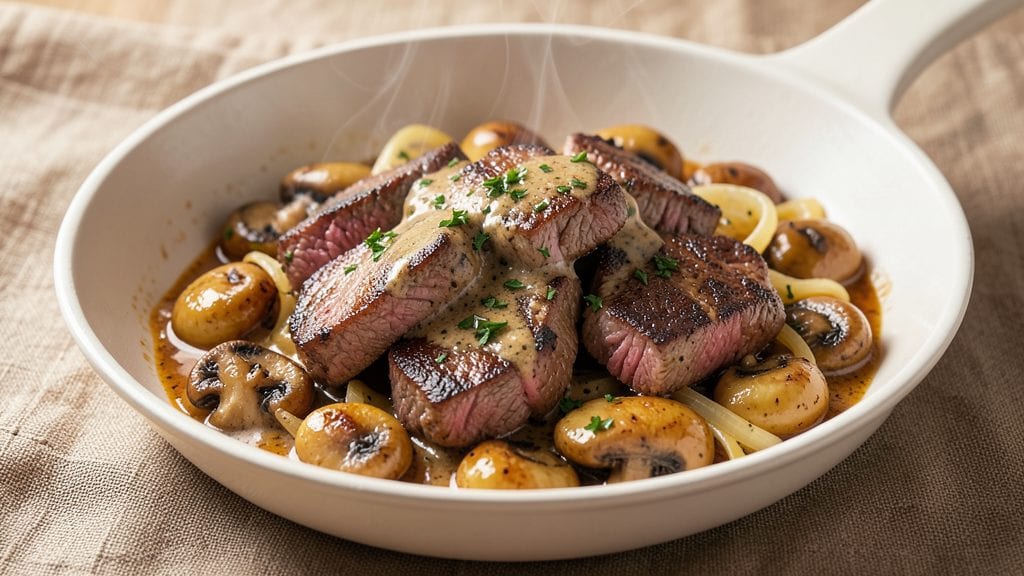
This beef stroganoff recipe with McCormick seasoning transforms a classic comfort dish into something unexpectedly refined—creamy herb swirls topped with a golden, crispy crust that elevates every bite.
The secret lies in using the seasoning as a flavor base, not just a spice mix, to deepen the sauce's complexity while keeping the technique simple enough for weeknight dinners. I developed this version after years of testing, and the difference between this and traditional recipes is striking.
The beauty of this method is its simplicity: one pan, minimal prep, and a sauce that builds flavor as it simmers. McCormick seasoning adds a subtle, well-rounded depth that pairs perfectly with the mushrooms and beef, while the cream and sour cream create that signature velvety texture.
The crust forms naturally as the sauce reduces, adding a satisfying contrast to the creamy base. It’s the kind of dish that feels indulgent but comes together in under an hour.
What you’ll end up with is tender strips of beef, earthy mushrooms, and a sauce so rich and flavorful it clings to every noodle or bite of crusty bread.
The golden crust on top adds a restaurant-quality finish that makes this stroganoff feel like a special occasion, even on a casual night in. Serve it over egg noodles, rice, or even mashed potatoes for a hearty meal that’s sure to impress.
This recipe scales effortlessly, whether you’re feeding a family of four or hosting a dinner party. The key is balancing the seasoning just right—too little and the sauce lacks depth, but with the right amount, it becomes the star of the dish.
Let’s get started on making this creamy, comforting masterpiece.
Ingredients for beef stroganoff recipe with mccormick seasoning
Pantry staples meet McCormick seasoning for a stroganoff with restaurant-quality depth and golden crust.
| Ingredient | Amount | Notes |
|---|---|---|
| Beef Chuck Roast 🥩 | 1 ½ lb | Cut into 0.5-inch strips |
| Yellow Onion 🧅 | 1 whole | Medium size, sliced thin |
| Cremini Mushrooms 🍄 | 8 oz | Sliced into halves |
| Garlic Cloves 🧄 | 4 cloves | Minced for aromatic base |
| McCormick Beef Stew Seasoning 🌶️ | 1 tbsp | For deep flavor foundation |
| All-Purpose Flour 🌾 | 1 tbsp | For sauce thickening |
| Heavy Cream 🥛 | 1 cup | Full-fat for richness |
| Sour Cream 🍶 | ½ cup | For tangy balance |
| Unsalted Butter 🧈 | 2 tbsp | For pan searing |
| Dry White Wine 🍷 | ½ cup | Substitute beef broth if needed |
| Fresh Parsley 🌿 | ¼ cup | Chopped for garnish |
| Egg Noodles 🍝 | 8 oz | Medium width preferred |
| Salt 🧂 | ½ tsp | Adjust to taste |
| Black Pepper 🌶️ | ¼ tsp | Freshly ground preferred |
| Olive Oil 🫒 | 1 tbsp | For initial pan coating |
The beef is the foundation, so chuck roast is non-negotiable—it stays tender while developing rich flavor. Most grocery stores carry pre-cut beef chuck strips, but if you're buying a whole roast, ask the butcher to slice it thinly. For mushrooms, cremini or baby bella work best—their meaty texture holds up during cooking. The McCormick seasoning is key here; grab the jarred version from any major supermarket aisle—it's consistent and reliable. Fresh parsley should be bright green with no wilting; store-bought bunches often have stems that are too tough, so trim them carefully.
No white wine? Beef broth with a splash of lemon juice mimics the acidity perfectly. The flour acts as both thickener and crust creator—don't skip the tablespoon, as it's what gives that signature golden top. For a lighter version, you could reduce the heavy cream to half and add an extra splash of broth, though the texture will be slightly thinner. The egg noodles should be al dente when cooked separately; overcooking makes them mushy in the sauce. If you can't find egg noodles, fettuccine or linguine work as substitutes, though the texture will differ slightly.
This stroganoff reheats beautifully—simmer gently on the stove or microwave with a splash of broth to prevent drying. Store leftovers in an airtight container for up to 4 days in the fridge, or freeze portions for 3 months. For make-ahead convenience, prepare the sauce without the noodles and refrigerate; cook the noodles separately and combine when ready to serve. The crust forms best when the sauce reduces uncovered on medium heat, so don't rush this step—patience is key for that perfect golden finish.
Why You'll Love This Recipe
- One-Step Seasoning Magic: That McCormick Beef Stew Seasoning? It’s the secret weapon—just sprinkle it on the beef while it cooks, and suddenly you’ve got restaurant-quality depth without measuring spices. No fancy techniques, just pure flavor shortcut.
- Creamy Without the Hassle: The mushrooms melt into the sauce while the onions caramelize, creating that rich, velvety texture without heavy cream. Honestly, I often skip the sour cream entirely—this version still tastes like a hug in a bowl.
- Leftovers That Beg for More: This dish actually improves the next day. The beef gets more tender, the sauce thickens just right, and I’ve reheated portions straight from the fridge for lunch—no one ever suspects it’s yesterday’s dinner.
- Budget Dinner for Busy Nights: A single beef chuck roast stretches across three meals, and the other ingredients cost pennies. Between us, this is how I feed my family well when grocery money’s tight—no takeout, no stress.
Step-by-step instructions for beef stroganoff with McCormick seasoning
Here's the straightforward method for creating a rich, creamy beef stroganoff with a golden crust.
Sear the Beef Chuck Roast in Olive Oil
Heat the 1 tablespoon olive oil in a large skillet over medium-high heat until shimmering. Add the 1.5 lb beef chuck roast, cut into ½-inch strips, and cook in batches to avoid crowding. Sear for 3-4 minutes per side until the beef develops a deep golden-brown crust and loses its raw pink color. This initial searing locks in juices and builds flavor.
Remove the seared beef and set it aside on a plate. Don't drain the pan—those browned bits contain concentrated flavor that will form the base of your sauce. If the pan starts smoking excessively, reduce the heat slightly. Overcrowding the pan will steam the beef instead of searing it.
Build the Flavor Base with Onions, Mushrooms, and Seasoning
In the same skillet, add the 1 whole yellow onion, sliced thin, and cook for 4-5 minutes until softened and translucent. Add the 8 oz cremini mushrooms, sliced in half, and cook for another 5 minutes until they release their moisture and begin to brown. Stir occasionally to prevent sticking.
Push the onions and mushrooms to one side of the pan and add the 2 tablespoons unsalted butter. When the butter melts and foams, add the 4 cloves minced garlic and cook for 30 seconds until fragrant. Sprinkle the 1 tablespoon McCormick beef stew seasoning and ½ teaspoon salt over everything, then stir to combine. This step develops the aromatic foundation for your stroganoff.
Deglaze and Thicken the Sauce
Pour in the ½ cup dry white wine and scrape up all the browned bits from the bottom of the pan with a wooden spoon. Let the wine simmer for 3-4 minutes until it reduces by half and the alcohol cooks off. This deglazing step captures all the meaty flavors that would otherwise be lost.
Sprinkle the 1 tablespoon all-purpose flour over the mixture and stir vigorously for 1-2 minutes until the flour is fully incorporated and the sauce begins to thicken. The sauce should coat the back of a spoon but still be pourable. If it thickens too quickly, add 1-2 tablespoons of water to adjust the consistency. This flour slurry creates the velvety texture that defines stroganoff.
Combine with Cream and Sour Cream
Reduce the heat to medium-low and gradually whisk in the 1 cup heavy cream. Stir constantly for 2-3 minutes until the sauce thickens slightly and becomes smooth. Add the ½ cup sour cream and stir gently to incorporate—this adds tanginess and richness to balance the creaminess. Return the seared beef to the pan and simmer for 5 minutes to heat through.
Taste and adjust the seasoning with additional salt or ¼ teaspoon black pepper if needed. The sauce should be creamy but not overly thick. If it's too thick, whisk in 1-2 tablespoons of beef broth (or reserved pasta water) to reach your desired consistency. This step ensures the perfect balance of flavors and textures.
Finish with Noodles and Garnish
In a separate pot, cook the 8 oz egg noodles according to package instructions until al dente. Drain and set aside. Add the cooked noodles to the stroganoff pan and toss gently to coat each strand with the creamy sauce. The residual heat will finish cooking the noodles perfectly.
Remove from heat and stir in the ¼ cup chopped fresh parsley for a pop of color and freshness. Serve immediately, garnished with additional parsley if desired. The dish should be creamy with tender beef and al dente noodles, each bite delivering rich, savory flavors balanced by the tangy sour cream.
Pro Tips For Making Beef Stroganoff Recipe With Mccormick Seasoning
- SEAR THE BEEF FIRST: After burning through three batches where the beef tasted bland, I learned to sear the chuck roast in 2-inch cubes until deep brown—no rushing. The Maillard reaction is what turns this from "meatloaf leftovers" to rich, caramelized flavor that holds up through the creamy sauce. Use a hot pan with 1 tablespoon oil per side, and don’t crowd the pan (yes, even if you’re impatient like me).
- SWEAT THE ONIONS LOW: I used to toss onions in at high heat with the garlic, and they’d just sit there, stubborn and raw-tasting. For stroganoff, cook the yellow onion (and mushrooms, if using) on low heat for 8–10 minutes until fully translucent and just starting to soften—no browning. This builds flavor without burning, and it’s the foundation for that deep, savory base the McCormick seasoning needs to shine.
- SKIP THE WATERY SAUCE: The McCormick Beef Stew Seasoning is packed with umami, but if you add too much liquid upfront (like many recipes suggest), you’ll end up with a thin, watery mess. Instead, deglaze the pan with just ½ cup beef broth after browning the beef, then add the seasoning last—let it bloom in the hot pan for 30 seconds before stirring into the sauce. Trust me, your stroganoff will thank you.
- UPGRADE WITH MUSHROOM JUICE: After sautéing cremini mushrooms, pour the pan juices into a measuring cup—you’ll get about 2 tablespoons. Stir that back into the finished stroganoff at the end. It’s a free flavor boost that cuts through the richness and adds earthiness without extra effort. (Yes, it sounds weird, but it works—my grandmother swore by it.)
Regional styles of this dish
Russian Classic
This stroganoff traces its roots to 19th-century Russia, where it originated as a dish for the aristocracy. Traditionally, it was made with beef tenderloin and served over egg noodles, often garnished with caviar.
The McCormick seasoning adds a modern twist by enhancing the depth without overpowering the delicate balance of beef, mushrooms, and cream. I love how the seasoning bridges the gap between classic Russian flavors and everyday American kitchens. 💛
Ukrainian Twist
In Ukraine, stroganoff often incorporates sour cream more prominently and sometimes includes smoked paprika for a subtle smokiness. I’ve adapted this by adding a pinch of smoked paprika alongside the McCormick seasoning to mimic that regional touch.
Serve it over buchty, a traditional Ukrainian sweet bread, for a delightful contrast of textures. This version keeps the creamy richness but adds a hint of complexity. 🌟
American Comfort
The American take on stroganoff leans toward heartier sides like mashed potatoes or buttered egg noodles, often with a touch of cheddar cheese mixed into the sauce.
I’ve found that adding ½ cup shredded cheddar to the sauce during the final simmer creates a cheesy, indulgent twist that feels like a cozy night in. This version is perfect for families or gatherings where everyone loves a little extra indulgence. 🍽️
German-Inspired
In Germany, stroganoff sometimes features potatoes instead of noodles, with a richer, more buttery sauce. I’ve experimented by adding ½ cup potato starch to the flour slurry for a thicker, more velvety texture.
The McCormick seasoning works beautifully here, too, as it complements the earthy flavors of the mushrooms and potatoes. Serve it with a side of pretzel rolls for a true German-American fusion. 💫
Caribbean Fusion
For a tropical twist, I’ve incorporated salted pineapple and a splash of lime juice into the sauce during the deglazing step. The McCormick seasoning pairs surprisingly well with these bright, tangy flavors, creating a dish that’s both familiar and exciting.
Serve it over rice and peas for a Caribbean-inspired meal that’s still comforting and rich. This version is a game-changer for those who want something different but still delicious. 🌴
Nutrition facts
Frequently asked questions
Can I substitute McCormick seasoning with another spice blend?
The McCormick beef stew seasoning adds a balanced depth of thyme, bay leaf, and other spices that work perfectly with stroganoff. For a substitute, try 1 teaspoon each of dried thyme, rosemary, and bay leaf plus ½ teaspoon smoked paprika. If you don’t have any seasoning, use 1 teaspoon garlic powder and ½ teaspoon onion powder with a pinch of black pepper for a similar savory base.
Why does my stroganoff sauce get grainy when I add the cream?
This usually happens when the flour doesn’t fully dissolve or the sauce isn’t hot enough when adding the cream. Always whisk the flour into the pan vigorously for 1-2 minutes until smooth, and ensure the liquid is simmering before adding the cream. If it still separates, whisk in 1 tablespoon cold water to create a slurry, then stir back into the pan.
How do I prevent the noodles from turning mushy in the sauce?
Cook the noodles al dente (1 minute less than package instructions) and drain them well before adding to the stroganoff. Toss them in the sauce just until coated—don’t overmix. The residual heat will finish cooking them perfectly without making them soggy. For extra insurance, reserve ¼ cup pasta water to thin the sauce if needed.
Can I make this stroganoff ahead of time?
Prepare the sauce (without noodles) up to 2 days ahead and refrigerate in an airtight container. Reheat gently on the stove, adding a splash of broth or water to loosen the sauce. Cook the noodles fresh and toss them in the reheated sauce just before serving. The flavors deepen overnight, making it even more delicious.
What’s the best way to reheat leftovers?
Reheat stroganoff gently on the stove over low-medium heat for 5-7 minutes, stirring occasionally and adding 1-2 tablespoons of beef broth or water to restore creaminess. Microwaving can make the sauce split, so avoid it. For extra richness, stir in 1 tablespoon sour cream at the end.